Loading titles…
Action & Adventure / Crime / Mystery / Drama
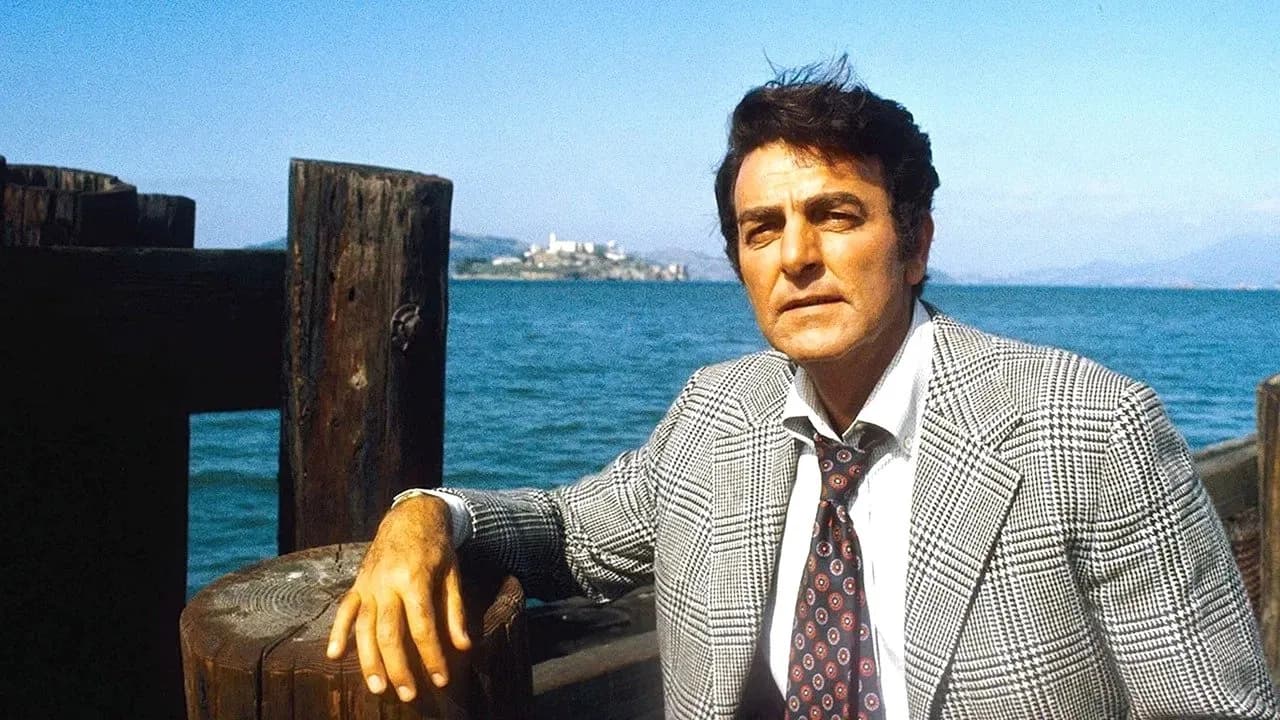
Mannix is an American television detective series that ran from 1967 through 1975 on CBS. Created by Richard Levinson and William Link and developed by executive producer Bruce Geller, the title character, Joe Mannix, is a private investigator. He is played by Mike Connors.…

Mannix has side action on a kidnap case.

Mannix is hired to find out any dirt on Govenor-elect Adam Pierson, and that's when the trouble starts: with his syndicate connections, people are dying fast.
Mannix is set up for the murder of an old girlfriend's husband.
A scientist goes missing with a new formula.

Mannix takes the case of a death row inmate.

A threatened suicide.
An incommunicado coed and a murdered basketball player.

Mannix is hired to vet a prospective bridegroom.

Investigating an insurance claim, Mannix finds himself intensely scrutinized.

A missing boy and a cover-up.

Blackmail in the film industry.
A libel suit against a newspaper at the state capital involves politics and the mob.

An undercover cop's murder exposes a vice operation.

Undercover at a health farm for boozehounds.

Mannix checks out an actress with an enemy.

A psychopath's next victim might be his wife.
The strong friendship between Lew Wickersham and Mannix melts into a violent and deathly feud. The bitter battle begins when Mannix launches an investigation into the theft of a highly secret formula for the development of a laser ray. Stolen plans and sabotage involve Intertect and their agents.

The two paths of the case meet at the water's edge.
Mannix quits rather than chase a necklace and a mobster, and stumbles into a case of murder and fraud.
A missing million leads Mannix out of Intertect as bait for a drug ring.

A faith healer gets blackmailed.

Old labor woes come to light after an attempted murder.
An unsolved murder and an author with enemies.

A fake Renoir is suspected, and the model is in danger.

Joe Mannix
Peggy Fair

Wing Dobson
Susan McAndrew

Notorious Los Angeles defense attorney Sebastian Stark becomes disillusioned with his career after his successful defense of a wife-abuser results in the wife's death. After more than a month trying to come to grips with his situation, he is invited by the Los Angeles district attorney to become a public prosecutor so he can apply his unorthodox-but-effective talents to putting guilty people away instead of putting them back on the street.


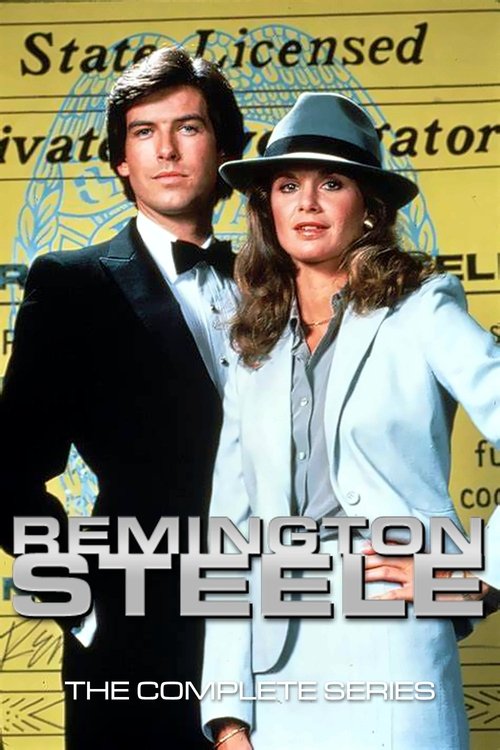
Laura Holt, a licensed private detective, opens a detective agency but finds that potential clients refuse to hire a woman, however qualified. To solve the problem, Laura invents a fictitious male superior whom she names Remington Steele. Through a series of events that unfold in the first episode, "License to Steele," a former thief and con man, whose real name is never revealed, assumes the identity of Remington Steele. Behind the scenes, Laura remains firmly in charge.

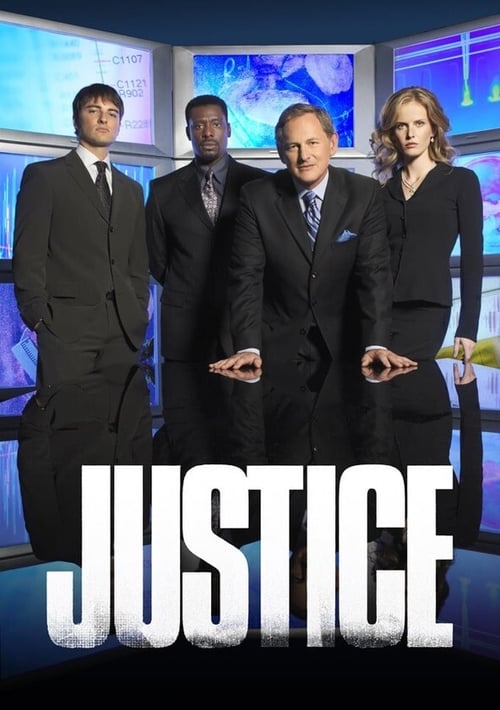
Justice is an American legal drama produced by Jerry Bruckheimer that aired on Fox in the USA and CTV in Canada. The series also aired on Warner Channel in Latin America, Nine Network in Australia, and on TV2 In New Zealand. It first was broadcast on Wednesdays at 9:00 but, due to low ratings, it was rescheduled to Mondays at 9:00, in the hope viewers of the hit series Prison Break would stay tuned. On November 13, 2006, the show was put on hiatus, but two days later the network announced it was shifting it to Fridays at 8:00 to replace the canceled Vanished. Fourteen episodes of the series were ordered, of which 13 episodes were produced. Twelve of the episodes of Justice have aired in the United States with the final episode airing in Mexico, the UK and Germany.

L.A. Law is an American television legal drama series that ran for eight seasons on NBC from September 15, 1986, to May 19, 1994. Created by Steven Bochco and Terry Louise Fisher, it contained many of Bochco's trademark features including a large number of parallel storylines, social drama and off-the-wall humor. It reflected the social and cultural ideologies of the 1980s and early 1990s, and many of the cases featured on the show dealt with hot-topic issues such as abortion, racism, gay rights, homophobia, sexual harassment, AIDS, and domestic violence. The series often also reflected social tensions between the wealthy senior lawyer protagonists and their less well-paid junior staff. The show was popular with audiences and critics, and won 15 Emmy Awards throughout its run, four of which were for Outstanding Drama Series.