
Loading titles…
Documentary
The Heartland Series is a series of television programs about the culture of Appalachia, produced by WBIR-TV of Knoxville, Tennessee, over the 25-year period 1984 through 2009. The series has been produced on a limited basis since 2010.

S01E01 — “Prologue” Runtime: 4:04 Summary: Bill Landry introduces The Heartland Series and its mission of exploring the people, traditions, history, and natural beauty of the Southern Appalachian region. Against scenes of the mountains and forests, Landry establishes the series as a celebration and preservation of Appalachian culture, connecting the landscape with the generations of people who have called the region home. The file also contains separate “Intro” and “Prologue” chapters, with the prologue beginning at approximately 0:19.5.
S01E02 — “Ancestral Mountains” Runtime: 3:47 Summary: Bill Landry explores the ancient geological origins of the Appalachian Mountains. With the help of a geologist, the segment examines exposed rock formations and fossils, explaining how immense geological forces, erosion, and hundreds of millions of years shaped the mountains into the landscape seen today.
S01E03 — “The Coves” Runtime: 3:47 Summary: Bill Landry explores the sheltered mountain coves of the Southern Appalachians and how they were formed by the region’s ancient geology. Examining exposed rock with a geologist and traveling into a wooded stream valley, the segment explains how erosion and the underlying rock helped shape these fertile, protected pockets within the mountains.
S01E04 — “Refuge” Runtime: 3:36 Summary: Bill Landry examines the Southern Appalachian mountains as a natural refuge, where the varied elevations and sheltered forests support an unusually rich diversity of plant and animal life. The segment explores how changing climate and ancient environmental conditions helped species survive in these mountains, creating the remarkable biological diversity found there today.
S01E05 — “Megafauna” Runtime: 3:12 Summary: Bill Landry explores the enormous animals that once inhabited the Southern Appalachians. Using illustrations and fossil remains, the segment discusses prehistoric megafauna such as mammoths, large cats, and giant ground sloths, examining evidence of their presence in the region and the dramatic changes that eventually led to their disappearance.
S01E06 — “Early Man” Runtime: 4:20 Summary: Bill Landry explores the earliest human inhabitants of the Southern Appalachians and how they adapted to life in the region. Archaeologist Dr. Jefferson Chapman discusses evidence left by these early people, while the segment depicts their hunting methods, tools, and growing use of native plants and crops. Archaeological sites and artifacts reveal how human life in the mountains developed long before European settlement.
S01E07 — “Cherokee Dawn” Runtime: 2:40 Summary: Bill Landry turns to the Cherokee people and their deep connection to the Southern Appalachian mountains. Through forest and mountain imagery, traditional objects, and reenactment, the segment introduces Cherokee life and culture before European settlement, portraying a people whose identity, traditions, and survival were closely tied to the Appalachian landscape.
S01E08 — “Cherokee Zenith” Runtime: 3:19 Summary: Bill Landry examines the Cherokee civilization at its height in the Southern Appalachians. The segment describes the development of established Cherokee communities, agriculture, trade, and a sophisticated social and political culture, showing how the Cherokee prospered in the region before increasing European influence dramatically altered their way of life.
S01E09 — “The Flower Hunter” Runtime: 3:21 Summary: Bill Landry tells the story of an early botanist and “flower hunter” who explored the Southern Appalachian wilderness in search of its remarkable plant life. Following mountain streams and forest trails, the segment describes the difficult journeys made into the region to collect and document its plants, helping introduce the extraordinary botanical diversity of the Appalachians to the wider world.
S01E10 — “An American Genius” Runtime: 3:18 Summary: Bill Landry tells the story of Sequoyah, the Cherokee scholar who created a written system for the Cherokee language. Through reenactments, the segment shows Sequoyah developing his syllabary despite skepticism from others and demonstrates how his invention allowed the Cherokee to rapidly become literate, preserving and communicating their language in written form.
S01E11 — “Crown Jewels” Runtime: 3:25 Summary: Bill Landry explores the magnificent old growth forests of the Southern Appalachians, highlighting ancient trees as the region’s natural “crown jewels.” The segment examines their great age and size, using tree rings to reveal their history, while emphasizing the rare surviving stands of original forest and the importance of preserving them.
S01E12 — “Lucinda” Runtime: 3:31 Summary: Bill Landry tells the story of Lucinda, a mountain woman whose life reflects the hardships and self reliance of earlier Appalachian families. Through historic photographs, an interview with a woman recalling her story, and visits to old homesteads and community sites, the segment preserves the memory of Lucinda and the rural mountain world in which she lived.
S01E13 — “Comeback” Runtime: 3:22 Summary: Bill Landry examines the recovery of the Southern Appalachian wilderness after generations of heavy logging and environmental damage. Featuring National Park Service ranger Mark Alston, the segment visits mountain streams and forests to show how protected lands are regenerating and how wildlife and natural ecosystems are making a comeback.
S01E14 — “School Days” Runtime: 3:23 Summary: Bill Landry looks back at education in the one room schoolhouses of the Southern Appalachians. Visiting a preserved log schoolhouse with former students and interpreters, the segment recalls the simple classrooms, wooden desks, lessons, and teaching methods that shaped the school days of mountain children.
S01E15 — “Alien” Runtime: 3:30 Summary: Bill Landry explores the mystery of an unusual grave found deep in the Tennessee mountains. Working with the Tennessee Wildlife Resources Agency, the segment investigates the isolated burial site and examines remains and other clues in an effort to determine who or what was buried there, giving the story an appropriately eerie “alien” mystery.
S01E16 — “Fishin’” Runtime: 3:24 Summary: Bill Landry visits with an elderly Appalachian fisherman who recalls the old days of fishing in the mountain streams. Through his stories and humor, the segment captures the simple pleasure of fishing and the colorful personalities and traditions that made it an enduring part of mountain life.
S01E17 — “Prophet of the Long Road” Runtime: 3:24 Summary: Bill Landry tells the story of Bishop Francis Asbury, the pioneering Methodist circuit rider who carried his ministry into the remote settlements of the Appalachian frontier. Traveling enormous distances on horseback, Asbury preached in small churches and isolated communities, helping establish Methodism throughout the mountains and earning a reputation as a tireless “prophet of the long road.”
S01E18 — “Homecoming” Runtime: 3:23 Summary: Bill Landry explores the powerful connection Appalachian people maintain with the mountains and places of their ancestors. Visiting an old homesite with a man who remembers the area, the segment reflects on returning to familiar streams, forests, and family ground, and the sense of belonging that draws people back to their mountain home.
S01E19 — “Pi Beta Phi School” Runtime: 3:23 Summary: Bill Landry looks back at the history of Pi Beta Phi Elementary School in Gatlinburg, founded in 1912 to bring formal education to children of the Smoky Mountains. Through historic photographs and recollections from former students, the segment traces the school’s early years and captures memories of childhood, teachers, and school life in the mountain community.
S01E20 — “Black Bears” Runtime: 3:18 Summary: Bill Landry explores the black bears of the Great Smoky Mountains and the work being done to understand and protect them. The segment follows wildlife researchers into the forest as they locate, capture, examine, and tag bears, while also showing the increasing encounters between bears and the many visitors traveling through the Smokies.
S01E21 — “Peace of Work” Runtime: 3:18 Summary: Bill Landry explores the Appalachian tradition of weaving and the satisfaction found in creating something by hand. The segment visits women working with looms, yarn, and textiles, showing the skill and patience involved in the craft while reflecting on the sense of purpose and peacefulness that comes from traditional handwork.
S01E22 — “First Park Botanist” Runtime: 3:24 Summary: Bill Landry tells the story of the first botanist of Great Smoky Mountains National Park and his work documenting the remarkable plant life of the Smokies. Through interviews, historic photographs, and walks through the forest, the segment recalls the early effort to identify and preserve the park’s extraordinary botanical diversity.
S01E23 — “Walk in the Woods” Runtime: 3:19 Summary: Bill Landry takes a walk through the Southern Appalachian forest with a knowledgeable naturalist, examining the remarkable variety of plants growing in the mountains. Along the way, they identify wildflowers and other native vegetation and discuss how the Smokies’ landscape and climate create one of the richest botanical environments in the region.
S01E24 — “A.D.’s Bear Stories” Runtime: 3:22 Summary: Bill Landry visits with A.D., an elderly mountain storyteller who recalls memorable encounters with black bears in the Smokies. Through A.D.’s colorful firsthand stories, old photographs, and Landry’s narration, the segment captures the humor, danger, and larger than life quality of traditional Appalachian bear tales.
S01E25 — “Heartland Christmas Special” Runtime: 26:56 Summary: In this extended Heartland Christmas special, Bill Landry celebrates the people, places, and traditions of the Southern Appalachians through stories of mountain life. Traveling through rural communities and historic homesteads, the program features longtime residents sharing memories, traditional skills and ways of living, and reflections on the region’s past. The special combines these personal stories with the landscapes of the mountains to offer a nostalgic Christmas tribute to Appalachian heritage.
No cast information available.
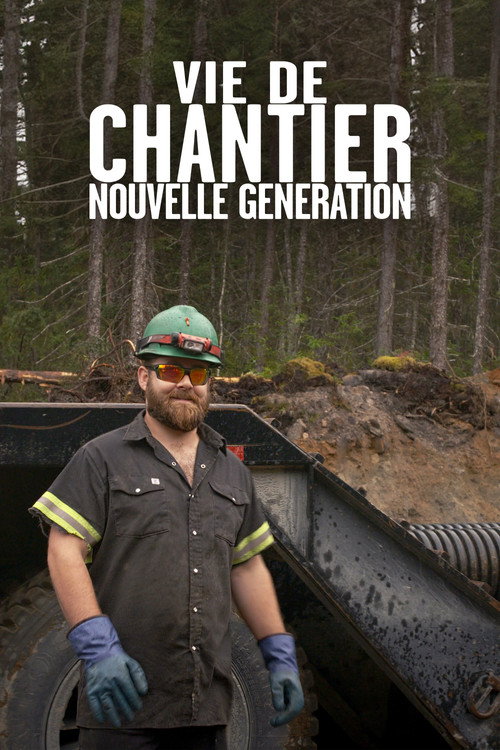
An immersion into the daily lives of forest workers and rangers through an 8-month forestry season. The series follows a team of emergency mechanics struggling to repair broken equipment, cooks responsible for feeding 400 workers a week, and truck drivers hauling 100 tons of lumber across a 200-kilometer trek to the nearest sawmill.



Sky One introduces the start of a new ongoing documentary series that highlights the potential extinction of some of the world's most famous species. Working with Tiger Aspect Productions, the series follows a team of experts assisted by a wellknown personality. Each documentary will highlight the plight of the world's most endangered animals including the tigers of India, Aye-Ayes and Gorillas. Presenters include Sanjeev Bhaskar, Bill Bailey, Miranda Richardson and Joe Simpson. Each of the presenters will draw on the expertise of local teams campaigning to save the endangered species and work with conservationists to develop and implement strategies to help in their fight for survival.

Continuing the compelling saga of the heartstring-tugging, dramatic tale of survival revolving around three families of meerkats who are descendants of the legendary meerkat matriarch, Flower. Neighbors and rivals who share a bloodline are forced to compete for food and resources in an environment that is undergoing a great deal of change: the Kalahari Desert in South Africa.
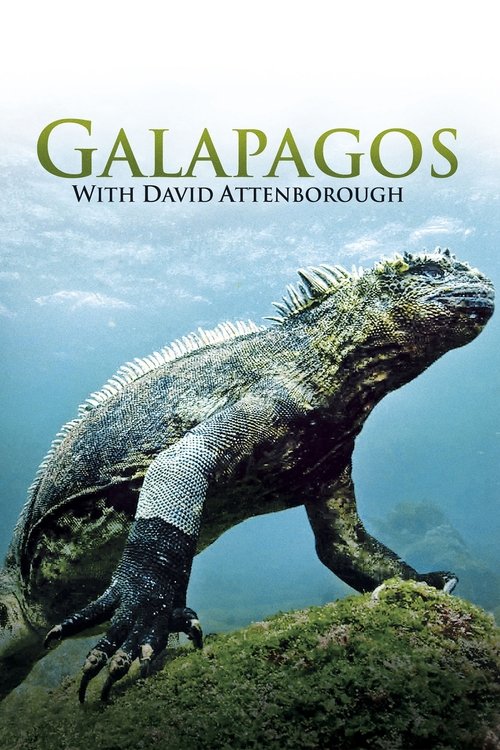

Geologist Iain Stewart explain in three stages of natural history the crucial interaction of our very planet's physiology and its unique wildlife. Biological evolution is largely driven bu adaptation to conditions such as climate, soil and irrigation, but biotopes were also shaped by wildlife changing earth's surface and climate significantly, even disregarding human activity.