

Loading titles…
No cast information available.
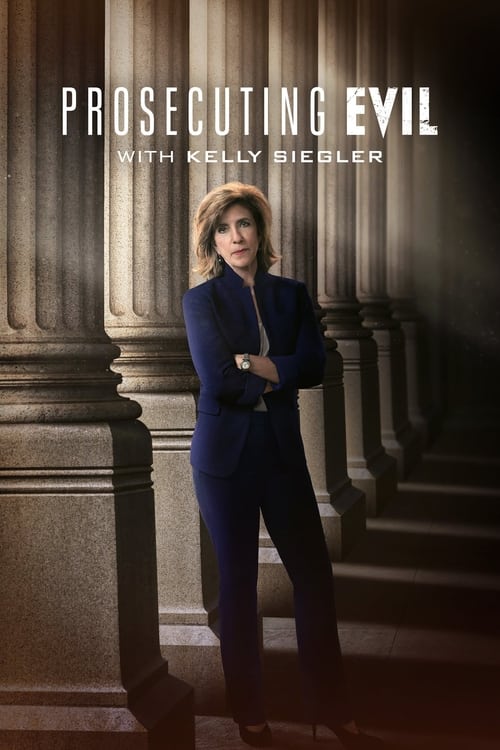
A true-crime series examining the most shocking murder investigations and toughest trials in Texas history - all told with Kelly's unique insight and unparalleled access. As Chief of Special Crimes in the busiest courthouse in the Lone Star state, Kelly Siegler battled to get killers into courtrooms to face their formidable defense attorneys. With her own firsthand accounts, alongside investigators and victims' families, Kelly reveals what really happened beyond the newspaper headlines to bring Texas-style justice.
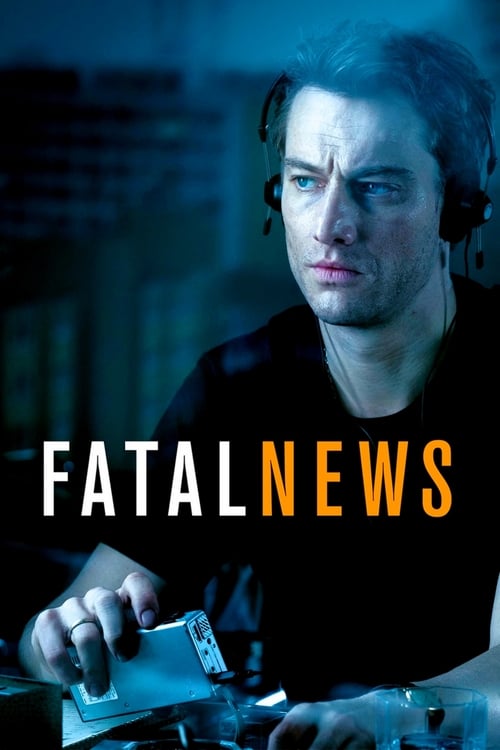
West Germany, 1987. The politician Uwe Barschel (1944-87), member of the Christian Democratic Union party and Minister-President of the Schleswig-Holstein region, is found dead in very sinister circumstances. Reporter David Burger pledges to find the truth behind one of the most important political scandals in German history, investigating countless speculations and conspiracy theories as he fights his own personal demons.

Nightline, or ABC News Nightline, is a late-night news program that is broadcast by ABC in the United States, and has a franchised formula to other networks and stations elsewhere in the world. Created by Roone Arledge, the program featured Ted Koppel as its main anchor from March 1980 until his retirement from the program in November 2005. Nightline airs weeknights at 12:37 a.m. Eastern Time, after Jimmy Kimmel Live!. It previously ran for 31 minutes, but in 2011, the program was reduced to 25 minutes. When the program moved to 12:37 a.m. ET, the program was expanded to 30 minutes. In 2002, Nightline was ranked 23rd on TV Guide's 50 Greatest TV Shows of All Time.

Flick Flack was a Canadian television series broadcast by Global Television Network in 1974. The series featured interviews with motion picture industry personalities combined with excerpts from films. William Shatner was the regular series host. "It was a TV show produced for Canadian TV. A handful of shows that aired every fortnight for a few months in the 70’s." @WilliamShatner · Sep 15, 2020


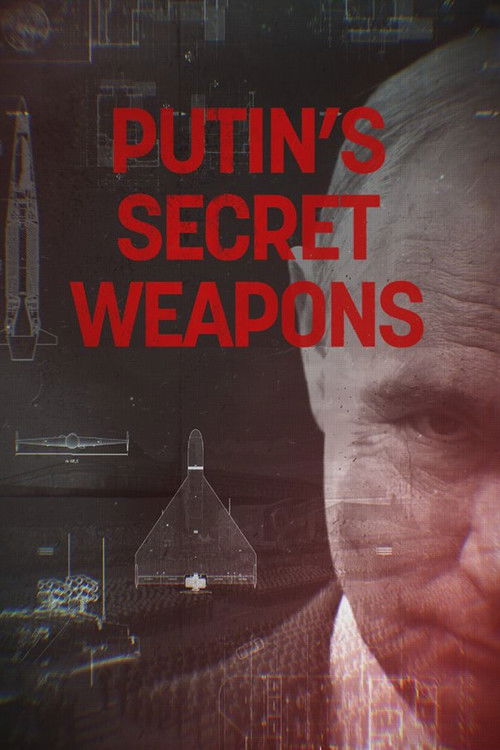
The Russian army has no shortage of weapons despite sanctions: With an arsenal mixing old Soviet stocks and modern hypersonic weapons, the country could strike Europe in minutes. An opaque network of spies, shell companies and oligarchs ensures its war capacity through the arms trade, technology theft and state-organized policy of terror.