
Loading titles…
Animation / Kids
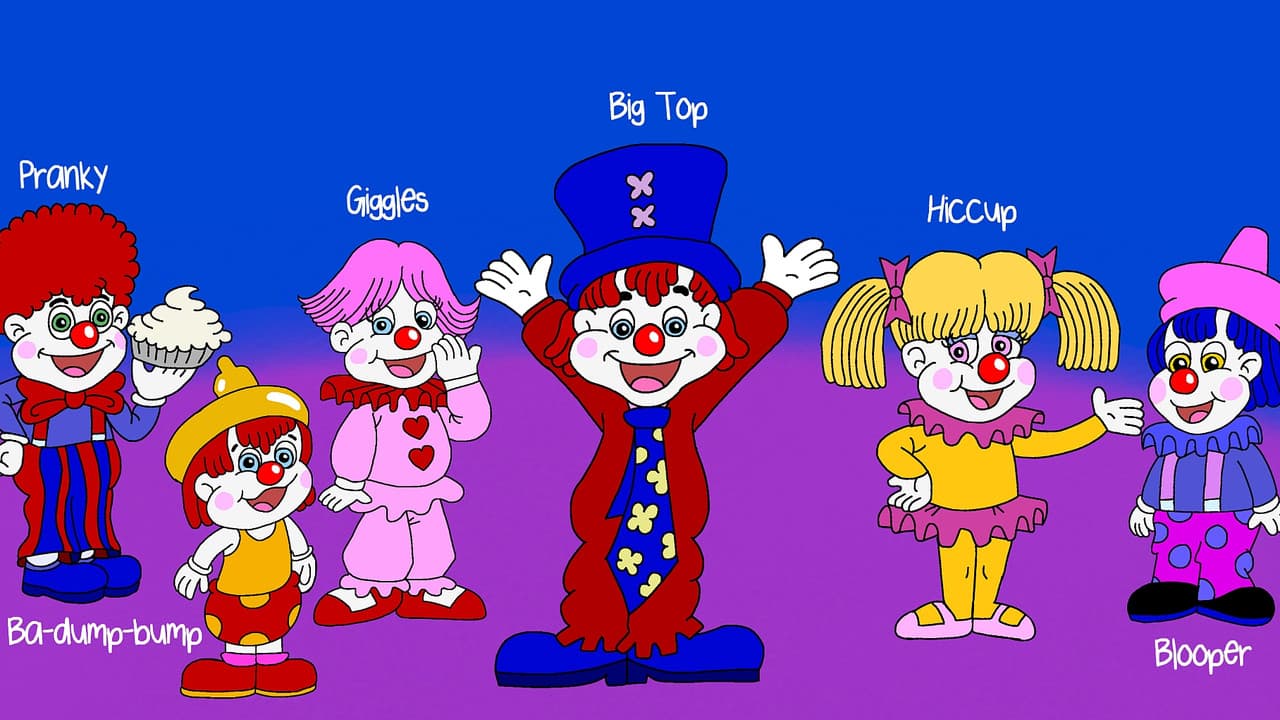
Little Clowns of Happytown is an American animated television series that aired on ABC on Saturday morning from September 26, 1987 to July 16, 1988. The series is set around young clowns from Happytown, whose goal is to spread happiness and imbue positive mental attitudes to…

No synopsis available.
No synopsis available.
No synopsis available.
No synopsis available.
No synopsis available.
No synopsis available.
No synopsis available.
No synopsis available.
No synopsis available.
No synopsis available.
No synopsis available.
No synopsis available.
No synopsis available.
No synopsis available.
No synopsis available.
No synopsis available.
No synopsis available.
No synopsis available.
Hiccup

Pranky and Awful B. Bad

Big Top
Badum-Bump, Rover the Elephant, Clownimals

Whiner

Awful B. Bad, Geek
Blooper
Tickles
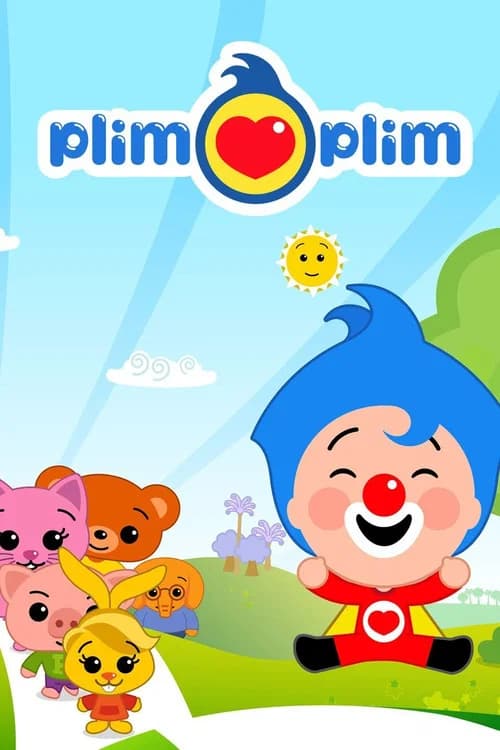
Plim Plim, Hero´s heart, is an Argentine animated television series created by Que Lindo Entertaiment and Smilehood, broadcast on Disney Junior for all Latin America. The pre-release was aired on September 21, 2011 and was officially launched on October 1 of the same year. This animated series consists of 7-minute-long episodes and its main goal is to promote human values such as solidarity, honesty, responsibility, early habits and respect for the environment. This series is inspired from and based on the teachings of Sri Sri Ravi Shankar the founder of Art of Living Foundation.

Chip Baskets wants to follow his dream of being a French clown—however, reality keeps interfering. Saddled with financial difficulties and facing an impenetrable language barrier, he moves back home to Bakersfield with high hopes. There, he is forced to confront his past while working as a rodeo clown and competing with his siblings for his mother's approval and affection.


In 1962, amid a spate of unexplained disappearances of local children, a group of misfit friends begin to suspect a long-buried ancient evil lurking. As the kids set out to determine what's really going on, a rising unease prompts several townspeople to work together to restore peace – all while a U.S. military operation seeks to exploit Derry for its own objectives.


Captain Kangaroo was an American children's television series which aired weekday mornings on the American television network CBS for nearly 30 years, from October 3, 1955 until December 8, 1984, making it the longest-running nationally broadcast children's television program of its day. In 1986, the American Program Service integrated some newly produced segments into reruns of past episodes, distributing the newer version of the series until 1993. The show was conceived and the title character played by Bob Keeshan, who based the show on "the warm relationship between grandparents and children." Keeshan had portrayed the original Clarabell the Clown on The Howdy Doody Show when it aired on NBC. Captain Kangaroo had a loose structure, built around life in the "Treasure House" where the Captain would tell stories, meet guests, and indulge in silly stunts with regular characters, both humans and puppets. The show was telecast live to the East Coast and the Midwest for its first four years and broadcast on kinescope for the West Coast, as Keeshan would not perform the show live three times a day, and was in black-and-white until 1966. The May 17, 1971 episode saw two major changes on the show: The Treasure House was renovated and renamed "The Captain's Place" and the Captain replaced his navy blue coat with a red coat. In September 1981, CBS shortened the hour-long show to a half-hour, briefly retitled it Wake Up with the Captain, and moved it to an earlier time slot; it was later moved to weekends in September 1982, and returned to an hour-long format. It was canceled by CBS at the end of 1984.

Mr. Conductor's Thomas Tales was a spin-off series of Shining Time Station. The plotlines, secondary to the five stories told by George Carlin in each episode, focused solely on Mr. Conductor. The stories were a mix of those not shown in any Shining Time Station episode, and the previous episodes. A music video was also included at the end of each episode.


Mr. Pickleherring


