
Loading titles…
Documentary
Filmed across a pivotal decade (2014-2024), follow artist Anne de Carbuccia as she meets Earth Protectors, the voices rising worldwide to defend our planet. Through striking imagery and powerful testimony, the series explores a world in flux: through adaptation, cultural loss,…


In Nepal's spectacular Upper Mustang, Anne de Carbuccia follows Earth Protector Tashi Bista as climate-driven drought and flooding force entire communities to migrate and abandon their cultural heritage. With ancient traditions vanishing, the episode reveals what we all risk losing and how deeply connected our futures truly are.
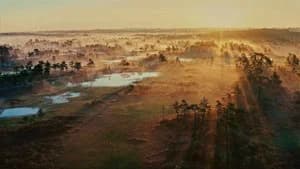
Anne de Carbuccia explores the fascinating network of trees which connects the natural world across the globe. Earth Protectors Ettie Mikita, Estonia, and Jared Cairuna, Peru, bridge traditional knowledge and new technology, showing how local action can take root globally in the fight to protect our forests.

Water Protectors Mariasole Bianco of Italy and Liliana Rodriguez Cortes of Mexico show us our ocean's vital yet increasingly threatened role in sustaining life on Earth. In a time when the pursuit of longevity has become commonplace, Anne de Carbuccia reflects on how we are wrecking the very ecosystems that could help us achieve it.

On the mystical shores of Lake Baikal, Siberia, Anne de Carbuccia joins Water Protectors Max Savchenko and Dasha Filippova to explore how pollution, mega fires and conflict threaten water security, highlighting the importance, amidst increasing global tensions, of preserving our planet's abundance where many are complicit in its destruction.

In this powerful conclusion to the series, Anne de Carbuccia follows young leaders across continents as they rise against climate failures. Engaging in law suits, protest, creativity and resilience, they strive for a future still within reach.
No cast information available.
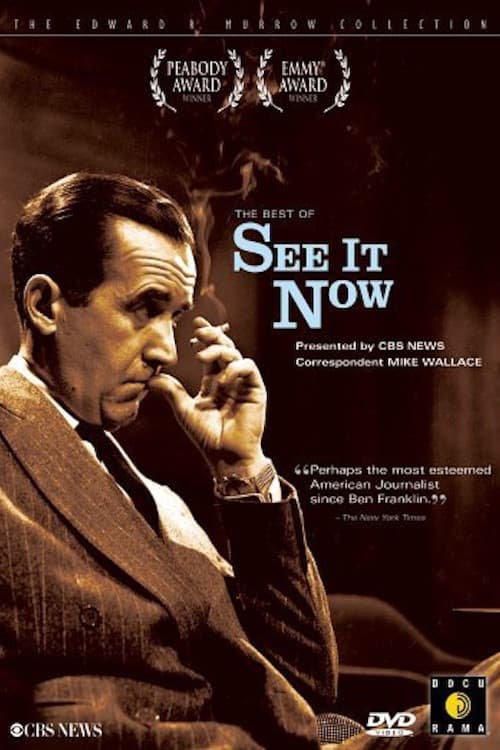
See It Now is an American newsmagazine and documentary series broadcast by CBS from 1951 to 1958. It was created by Edward R. Murrow and Fred W. Friendly, Murrow being the host of the show. From 1952 to 1957, See It Now won four Emmy Awards and was nominated three other times. It also won a 1952 Peabody Award, which cited its


No two volcanoes are alike; each one has its own distinctive landscape, climate, and geological context. Just as unique are the people we meet along the way who help us comprehend how greatly our planet – and our lives – have been shaped by volcanic phenomena. For the scientific aspect of each episode, we explore the very diverse range of questions raised by volcanic phenomena in such varied fields as earth sciences, climatology, biodiversity, oceanography, geography, agronomics, and archaeology. The cultural part of the show delves into mythology, religion, philosophy, folk and artistic traditions, cooking, and ways of life.


