


Loading titles…
Documentary
Seven Ages of Britain is a BBC television documentary series which is written and presented by David Dimbleby. The seven part series was first aired on Sunday nights at 9:00pm on BBC One starting on 31 January 2010. The series covers the history of Britain's greatest art and…

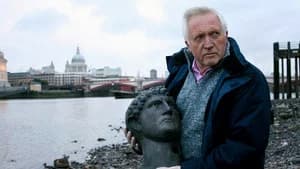
For a thousand years, from Emperor Claudius to William the Conqueror, the British Isles were defined by invasion, each successive wave bringing something new to the mix. The Romans brought figurative art, the Anglo-Saxons epic poetry, the Normans monumental architecture.

In the Middle Ages, Britain was caught in a power struggle between the Crown and the Church. The two were reconciled in the code of chivalry which ordered devotion to one's king as well as God: a story revealed in the fabulous objects left in Britain's cathedrals and castles, or safeguarded in museums.

From the Henry VIII's accession in 1509 to the last play of Shakespeare's Henry VIII, the Tudors dynasty used reformation, art, seamanship, and propaganda to the most powerful World empire.

In the 17th century, the people of Britain learnt to question everything. The result was Civil War, in which everyone, including artists, had to take sides. But out of it came a re-invented monarchy, a scientific revolution and, ultimately, the great Cathedral of St Paul's.
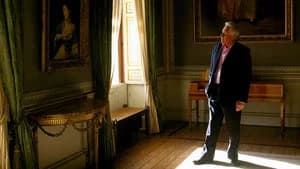
In the 1700's, the age of Commerce produced a new 'middle' class with new ant-puritan pleasure and novelty, a Golden Age in painting, and hero burial of Horatio Nelson, a commoner, at the St Paul's Cathedral.

British Empire from 1750 to 1900 from America and India traces the descent from adventure and inspiration into moral bankruptcy as the Empire became a self-serving bureaucratic machine.

Modern Britain from WWI to the 21st century, the empire gone, but ambition/pride of new scientific age stills make Great Britain one of the greatest powers and influences in the world.
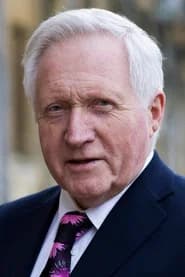
Self - Presenter


In four chapters, largely based on and illustrated with archaeological finds and sites, Neil Oliver explains how, as far as is known, the Iron Age Celtic tribes known as the Ancient Britains evolved and entered European civilization. Their internecine tribal phase was warlike and partitioned. Overseas contacts, especially metal trade, brought wealth and progress. Ultimately, it attracted the superior Roman empire, which would conquer and pacify Britain into a province, like Gaul shortly before, but Caesar's invasion wasn't the definitive annexation yet, that was left to emperor Claudius; even afterward some Celtic traits and even rebellions remained.


On the edge of London stands Hampton Court, one of Britain's biggest palaces and most popular tourist spots, attracting almost a million visitors every year. Spanning 750 acres of grounds, it boasts 1,300 rooms and 23 courtyards...along with a host of secrets and historic stories. This two-part special provides an exclusive and intimate look at life inside the court today for the people keeping Henry VIII's world alive in the modern age, and also explores what life was like in the palace where the private world of the Tudors began.

A series of 6 Arts Documentaries, fronted by supermodel, actress and Cambridge Arts graduate, Lily Cole. Lily gets unprecedented access to some of today's most revered and successful contemporary artists. In the name of Art; she navigates the desert with 'wrap' artist Christo, learns the art of boomerang throwing with Mexican artist Gabriel Orozco, models for a nude portrait for Contemporary artist Fiona Banner, has a drawing lesson with the sculptor, Antony Gormley, touches down in Monaco for Marc Quinn's latest exhibition and paints pictures with the doyenne of celluloid film, Tacita Dean. These intimate portraits of artists at home and at play show a side to them rarely seen before. Largely observational documentary in style, there are also contributions from high profile curators, collectors and art commentators; from Ralf Rugoff, Director of the Hayward Gallery to Germaine Geer and, champion of public art, Mayor Michael Bloomberg.


