



Loading titles…
Documentary / Animation
Combining fact and informed speculation with cutting-edge computer graphics and animatronics effects, the series set out to create the most accurate portrayal of prehistoric animals ever seen on the screen.


It is the mid-Triassic period, an the sun is setting on the age of reptiles. Once the most dominant lifeform on the planet, reptiles are now represented by only a few species. But as the age of reptiles wanes, new animals are on the rise, and among them, the first members of a new dynasty: the dinosaurs.

It is the late Jurassic, and dinosaurs rule the land. At the height of this reign, sauropods are the dominate herbivore on Earth. We follow the life of one sauropod, a Diplodocus, from hatchling to sub-adult, and the challenges she faces in her world.

Dinosaurs may rule the land, but it's a different story in the oceans. Marine reptiles dominate the seas. A school of female Opthalmasaurus are moving into the reefs around the northern Tethys Sea to give birth. Once born, the young ichthyosaurs must dodge sharks, plesiosaurs like Cryptoclydus, and the monsterous pliosaur Liopleurodon, the largest carnivore ever.

Reptiles not only rule the seas, but the skies as well. This is the time of the pterosaurs, flying reptiles that dominate the Cretaceous skies. And at this point, none is as large as the massive Ornithocheirus, the largest pterosaur at the time. We follow the final days of one such Ornithocheirus as he makes his way to the mating grounds, soaring over the lands ruled by dinosaurs.

In the mid-Cretaceous, Australia, Antarctica, and South America are still connected in one super continent. This is a time when the South Pole is a huge polar forest, where for five months of the year, the sun never sets. The Antarctic forests are a land which time forgot, where allosaurs still prowl the forests and ancient amphibians still hunt along the river banks. We fellow a year in the life of a clan of small dinosaurs, Leaellynsaura, and their struggle to survive in this unique environment.
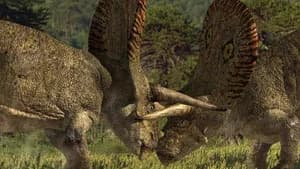
The year is 65.5 million BC, and the time is 11:59pm for the dinosaurs. Volcanic activity has begun to choke the land, and dinosaurs are suffering. Few eggs are hatching, poisoned by the toxins in the air. Dinosaurs are on the decline, while mammals are thriving. The pterosaurs are all but gone, replaced by birds, and a massive asteroid is on its final journey to Earth. In this world, the most infamous carnivore stalks the land, the mighty Tyrannosaurus.

Self - Narrator (voice)


Biologist and naturalist Dan O'Neill embarks on a groundbreaking mission to protect one of the world's most elusive creatures—the snow leopard. Set against the stunning backdrop of Kyrgyzstan's rugged mountains, this two-part adventure follows Dan as he works to build a new research center dedicated to studying these majestic cats.


Ronan Donovan, our expert guide and National Geographic photographer, takes the audience on an intimate exploration of the Arctic during the endless day of the summer months, giving insight to the unexpected abundance of the 'Garden of the Arctic' in Wolf Valley as he attempts to embed with a wolf family pack.

Geologist Iain Stewart explain in three stages of natural history the crucial interaction of our very planet's physiology and its unique wildlife. Biological evolution is largely driven bu adaptation to conditions such as climate, soil and irrigation, but biotopes were also shaped by wildlife changing earth's surface and climate significantly, even disregarding human activity.


Continuing the compelling saga of the heartstring-tugging, dramatic tale of survival revolving around three families of meerkats who are descendants of the legendary meerkat matriarch, Flower. Neighbors and rivals who share a bloodline are forced to compete for food and resources in an environment that is undergoing a great deal of change: the Kalahari Desert in South Africa.


