Loading titles…
Crime / Drama
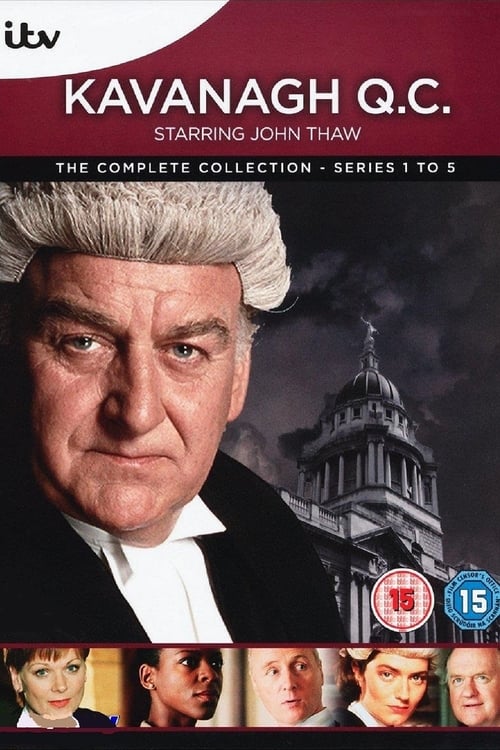
John Thaw dons the silks as barrister James Kavanagh Q.C., one of the most highly respected criminal advocates in London, commanding admiration from colleagues and opponents alike. However, all this has come at a price as his dedication to work has taken its toll on his private…
Kavanagh is called upon to defend an alleged rapist, David Armstrong, a young labourer accused of attacking the housewife he works for in her home.
Kavanagh is asked to prosecute an ex-police officer turned vigilante when he is the driver of a car which hits a teenager.
Kavanagh represents a determined father in a bitter custody battle, but finds himself having to persuade the eager dad not to take matters into his own hands after learning of his previous kidnappings.
Kavanagh defends a prostitute accused of murdering a wealthy and prominent businessman who was also a client. Everything points to her guilt except her own passionate protestations of innocence. Meanwhile, Kavanagh's daughter, Lizzie, has an interview for her dream job in Brussels, and Kavanagh's junior, Julia, takes part in a cricket match.

James Kavanagh Q.C.


The Law of the Heart is a story that takes place in a successful law firm specializing in family law, specializing in divorce cases and, in general, in family and relationship conflicts. The decisions these lawyers make often affect them both inside and outside the office and in the courts. Some of them are guided by the law, but others are guided by their hearts—two paths that don't always go hand in hand when it comes to resolving legal conflicts.
Justice is an NBC half-hour drama television series about attorneys of the Legal Aid Society of New York, which aired from April 8, 1954 to March 25, 1956. In the 1954-1955 season, Justice starred Dane Clark as Richard Adams and Gary Merrill as Jason Tyler. In the 1955-1956 season, William Prince replaced Clark in the role of Richard Adams. Westbrook Van Voorhis was the series narrator.
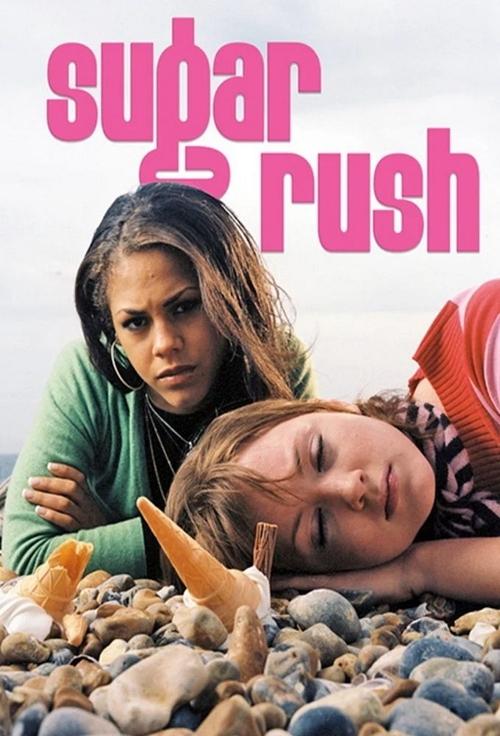
Sugar Rush is an Emmy Award–winning British television comedy drama series developed by Shine Limited and broadcast by Channel 4, based on the Julie Burchill novel of the same name. It follows the trials and tribulations of teenager Kim Daniels, who is dealing with all the usual adolescent issues, plus one - she thinks she might be gay. Her family has recently moved to Brighton from London, and she finds herself with a huge crush on her new best friend, Maria `Sugar' Sweet. Sugar has a bit of a wild side, and frequently gets Kim into trouble, though Kim can find trouble on her own as well. Despite attractions to other girls, and a few attempts at being interested in guys, Kim continues to long for Sugar.

The Bletchley Circle follows the journey of four ordinary women with extraordinary skills that helped to end World War II. Set in 1952, Susan, Millie, Lucy and Jean have returned to their normal lives, modestly setting aside the part they played in producing crucial intelligence, which helped the Allies to victory and shortened the war. When Susan discovers a hidden code behind an unsolved murder she is met by skepticism from the police. She quickly realises she can only begin to crack the murders and bring the culprit to justice with her former friends. The Bletchley Circle paints a vivid portrait of post-war Britain in this fictional tale of unsung heroes.
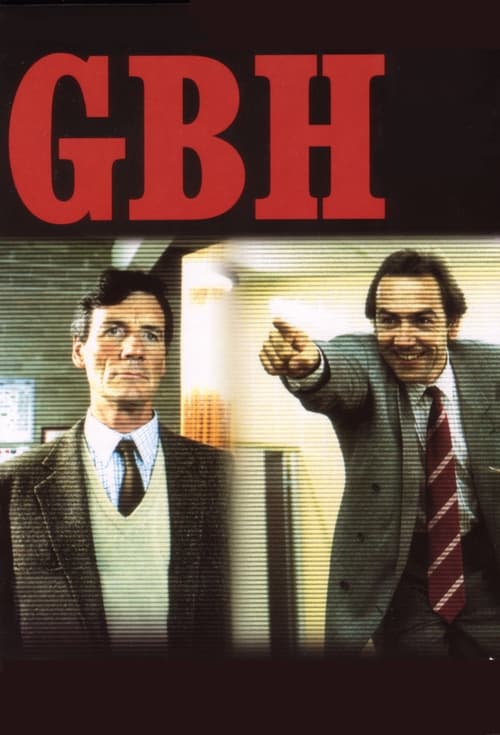
GBH was a seven-part British television drama written by Alan Bleasdale shown in the summer of 1991 on Channel 4. The protagonists were Michael Murray, the Militant tendency-supporting Labour leader of a city council in the North of England and Jim Nelson, the headmaster of a school for disturbed children. The series was controversial partly because Murray appeared to be based on Derek Hatton, former Deputy Leader of Liverpool City Council — in an interview in the G.B.H. DVD Bleasdale recounts an accidental meeting with Hatton before the series, who indicates that he has caught wind of Bleasdale's intentions but does not mind as long as the actor playing him is "handsome". In normal parlance, the initials "GBH" refer to the criminal charge of grievous bodily harm - however, the actual intent of the letters is that it is supposed to stand for Great British Holiday.
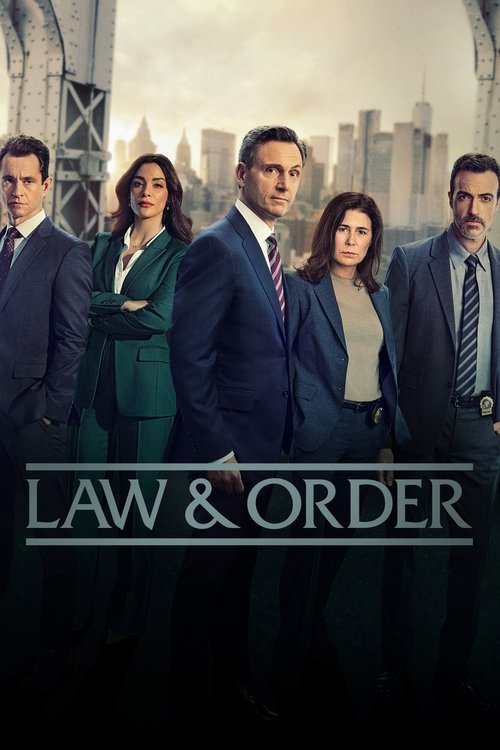
In cases ripped from the headlines, police investigate serious and often deadly crimes, weighing the evidence and questioning the suspects until someone is taken into custody. The district attorney's office then builds a case to convict the perpetrator by proving the person guilty beyond a reasonable doubt. Working together, these expert teams navigate all sides of the complex criminal justice system to make New York a safer place.