Loading titles…
Documentary
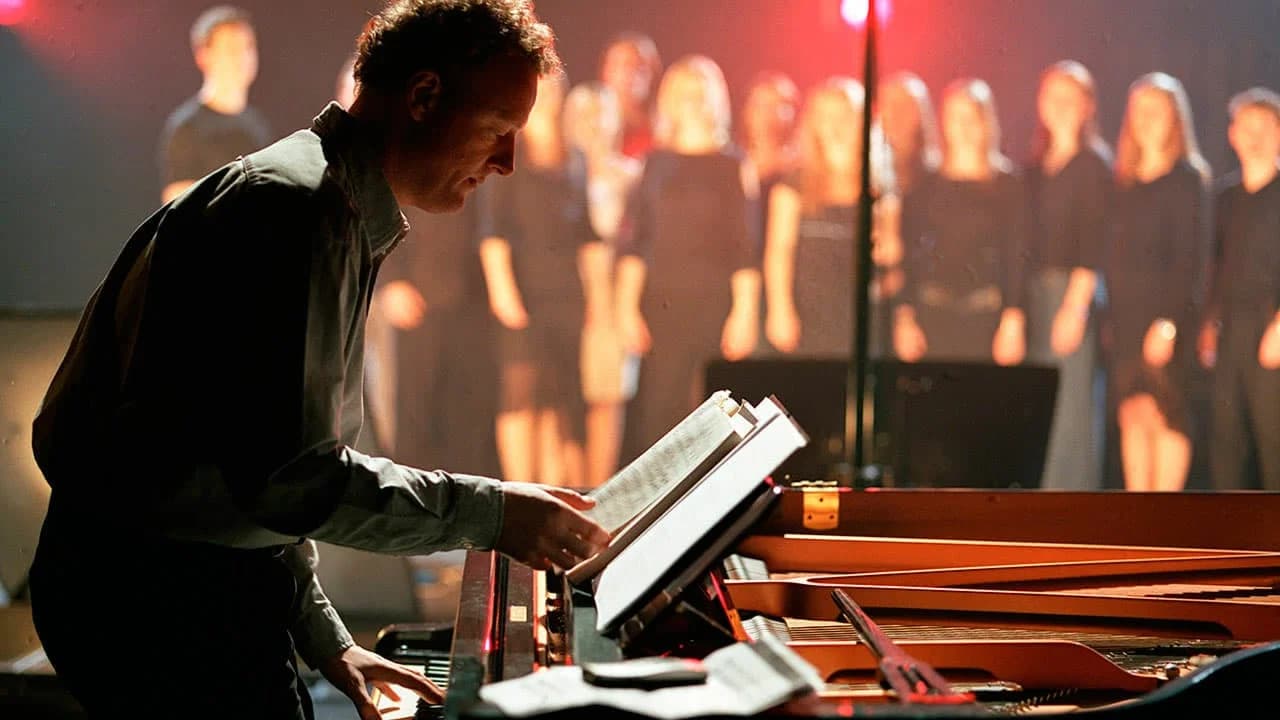
Howard Goodall examines the work of The Beatles, Cole Porter, Bernard Herrmann and Leonard Bernstein.

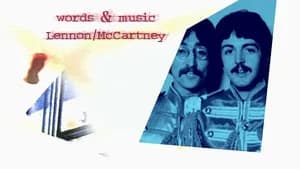
John Lennon and Paul McCartney turned themselves into the most influential composers of the late twentieth century. Their music wasn’t just immensely popular. It also proved that traditional western harmony – the main building block of European music – still had plenty to offer. They, more than anyone, saved the western musical tradition from extinction, and gave it a new purpose and a direction.

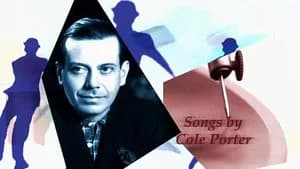
Cole Porter was the most gifted of a richly talented generation of composers who transformed popular music in the 1920s and 30s. It had started the century, for the most part, bland, patronising and trite, the gauche, poor relation of classical music. Cole Porter, more than anyone, made it musically, and lyrically sophisticated, emotionally satisfying and subtle. Remarkably, not only did he write some of the best music ever, but was also one of the greatest lyricists in the English language.
Bernard Herrmann wrote some of the most famous film music of the twentieth century, from Citizen Kane to The Day The Earth Stood Still, Fahrenheit 451 to Taxi Driver. He is best known for his scores for Alfred Hitchcock, in particular the masterpieces Vertigo and Psycho. Herrmann completely transformed film music, dragging it out of its reliance on the sounds and textures of nineteenth centuryVienna and into the modern age.
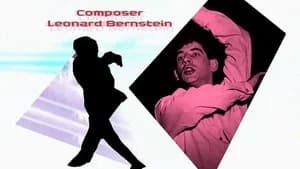
Leonard Bernstein was the composer who, more than anyone else in the twentieth century, embodied the trend we now call ‘cross-over.’ A brilliant musician and conductor, he wrote in the ‘classical’ style, but also wrote some of the best known ‘popular’ music of the century, from On The Town to West Side Story. By his own mixing of European classical, pop and Latin styles, Bernstein may have prefigured the next important phase in the music of our own time – the fusion of Western and Asian styles.

Self (archive footage)

Presenter

Self (archive footage)
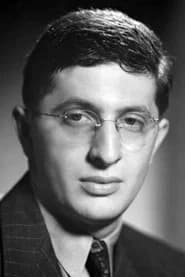
Self (archive footage)

Self (archive footage)

Self (archive footage)
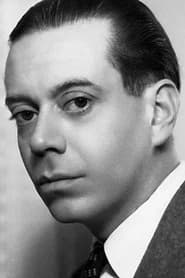
Self (archive footage)


A 3-chapter documentary about the stories we tell ourselves around creativity. Using a plethora of studies from anthropology, psychology and neuroscience, the film tries to demystify the way we use our brains to create, to make art and science. The products of our minds are extraordinary, but the process in which they are brought about are in fact, quite ordinary. Shakespeare copied. Mozart copied. Picasso copied too. But we're still obsessed with originality. We're living in the most creative time in humanity's existence, so maybe it's time to rethink our preconceptions about creativity.

In this four-part BBC documentary, former Monty Python funnyman and renowned globe-trotter Michael Palin sets off from Gibraltar to travel across the Sahara, his witty humor downplaying the hardships he faces along the arduous journey. He travels to Morocco, Mauritania, Mali and beyond, across some of the harshest terrain on the planet.

This series explores the history, traditions and culture of Chinese food. Filmed at over 160 locations across China, this series truly is a feast for the senses. The seven-episode documentary series introduces the history and story behind foods of various kinds in more than 160 locations in mainland China, Hong Kong, and Taiwan. The documentary has also been actively encouraged as a means of introducing Chinese food culture to those unfamiliar with local cuisine.
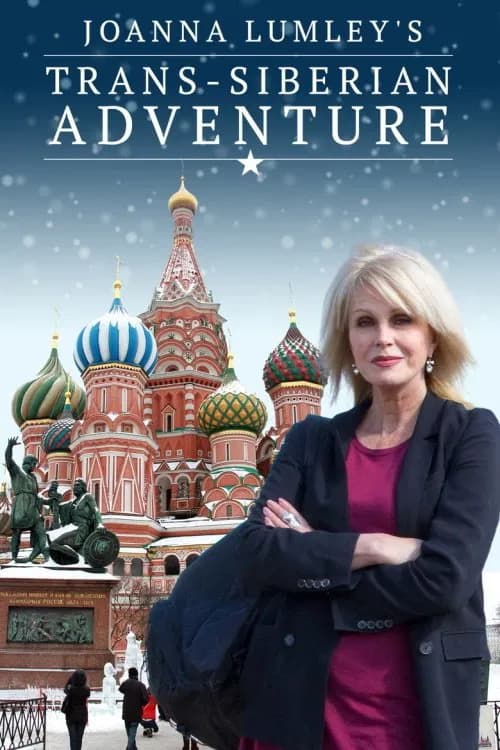
The cameras follow Joanna Lumley as she travels from East to West on a Trans-Siberian adventure. She starts in Hong Kong and crosses 5777 miles of both Asia and Europe, through seven time zones, taking in an immense panorama of vistas and cultures, people and places, before her final arrival in Moscow.

Pedro Andrade, Pedro pelo Mundo ("Pedro the Wanderer"), takes viewers on a trip around the world to explore the most fascinating and off-the-beaten-path destinations. The series follows Andrade as he globe-trots, meets the locals, tries exotic flavors, discover traditions, and celebrates diverse cultures. In each city, Pedro immerse himself in the local culture and visits the best places to eat, relax, discover, and live life as a local.

"Talent" Chip Tsao went to London, Greenwich, Wales, Oxford, Cambridge, England, to analyze the British people's living habits, academic development, economic conditions, etc .; and went to Warsaw, Gdansk, Krakow to know a country with a hundred years of blood and tears. Eason Chan visited Tokyo, Kyoto, Osaka, and Fukuoka in Japan to learn about the cultural differences; Social worker Shiu Ka-chun went deep into Finland's Turku, Helsinki, Nokia and other places to experience the local customs through living with locals. They will introduce the details of each famous city from a social, historical, and cultural perspective, bringing different connotations, depths, and education.
In each 1-hour episode of 36 Hours, co-hosts Kristen Kish and Kyle Martino arrive in a new city, where they’ll have 36 hours to explore the most delicious foods and hot spots, meet fascinating local insiders and experience the best attractions unique to each destination. Their itineraries will be informed by New York Times editors and contributors, who bring extensive research and expertise to each locale. Each episode will be timed to coincide with new or updated New York Times 36 Hours newspaper columns. There also will be companion editorial and video content across platforms on NYTimes.com and Travel Channel digital properties.

Self (archive footage)