

Loading titles…
Documentary
A brand new take on the most transformative force in British popular music history.
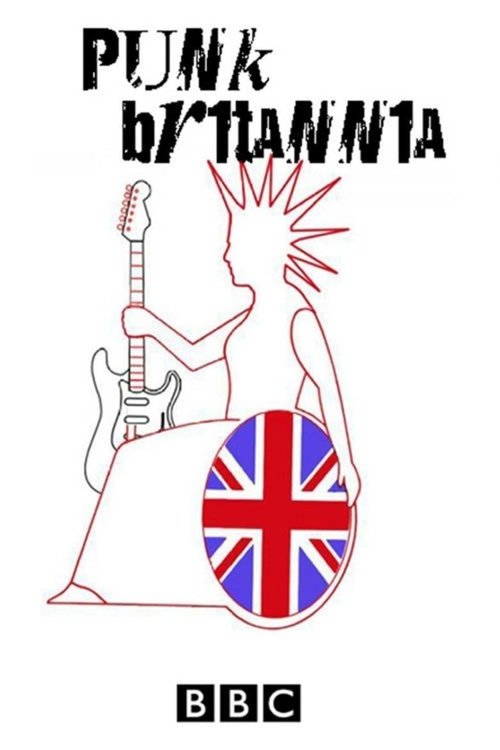
Narrated by Peter Capaldi, this opener of a three-part documentary series in BBC FOUR's celebrated 'Britannia' strand is scheduled to chime with the 35th anniversary of the Queen's Silver Jubilee and the arrival of punk as national and then international music culture. The film explores the road to punk in Britain, which begins in the early 70s with a young generation already conscious that they have 'missed the 60s party' and are stuck in a Britain heading for economic woes and dwindling opportunities. Meanwhile the music of the day - prog and super rock - seems to ask not for their interest and involvement, but only their awe and their money. But before the punk generation finally arises to have its say during 1976 come a group of pub rockers, a generation of bands sandwiched between 60s hippies and mid-70s punks who will help pave the way towards the short, sharp shock of punk, only to be elbowed aside by the emergence of the Sex Pistols, the Clash et al.
Daydreaming England was about to be rudely awakened as punk emerged from the London underground scene. A nation dropped its dinner in its lap when the Sex Pistols swore on prime time television. Punk had finally found its enemy- the establishment. In Manchester, the Buzzcocks' self-released Spiral Scratch was a clarion call for a do-it-yourself generation, while the Clash's White Riot tour took punk's message across Britain. Moral outrage followed the Pistols around the country, effectively outlawing punk - but there was one refuge for the music. Nestled in the wasteland of 70s Covent Garden, the Roxy was punk's cathedral. Punk interlopers the Jam raised the bar for lyricism, challenging punk's London elite. Punk also began to extend its three-chord vocabulary through an alliance with reggae, memorably captured by the Clash on White Man in Hammersmith Palais.
Punk had shown what it was against- now what was it for? In the wake of the Pistols' demise a new generation of musicians would re-imagine the world. Freed up by punk's DIY ethos, a kaleidoscope of musical influences broke three chord conformity. Public Image Limited allowed Johnny Rotten to become John Lydon the artist, Magazine would be first to record in the wake of the Pistols' split, Mark E Smith made street poetry while Ian Curtis turned punk's rage into an existential drama. In a time beset by dread and tension perhaps the biggest paranoia was Mutually Assured Destruction essayed perfectly by Young Marble Giants' Final Day. Released in the height of Thatcherism, Ghost Town by The Specials marked a parting of the post-punk waves. Some would remain avowedly uncommercial whilst others would explore pop as a new avenue in the new decade. The song that perhaps summed up post-punk's journey was Orange Juice's Rip It Up and Start Again.

Narrator
Cast
Cast
Cast
Cast
Cast
Cast

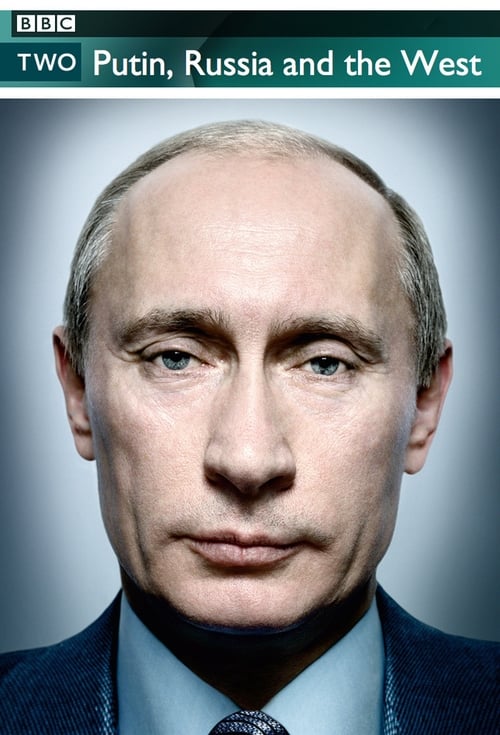
Putin, Russia and the West is a four-part British documentary television series first shown in January and February 2012 on BBC Two about the relationship between Vladimir Putin's Russia and the West. The series is produced by Norma Percy, whose previous series include The Death of Yugoslavia, Israel and the Arabs: Elusive Peace, and Iran and the West. The documentary was criticized by some dissidents for being an apology for Putin's regime.


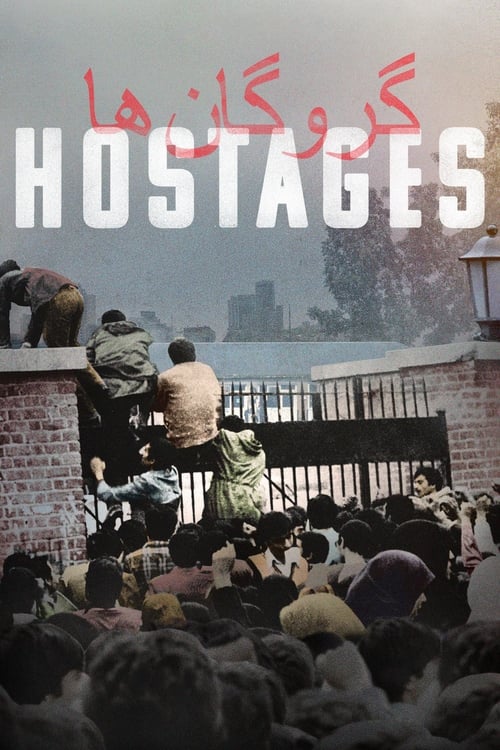
On November 4, 1979, Iranian student activists stormed the U.S. embassy in Tehran, taking over 60 Americans hostage. What was planned as a 48-hour sit-in to protest American imperialism, ballooned into an international crisis and 24/7 media event that would last 444 days. With never-before-seen archival footage and revelatory new interviews with the American hostages and Iranian hostage-takers alike, the series is a gripping chronicle of one of the most dramatic international deadlocks in American history, a deep dive into the geo-political history that led to the crisis, and an exploration of the political fallout that reverberates today.
Cast
Cast
Cast
Cast

Cast