Loading titles…
Documentary
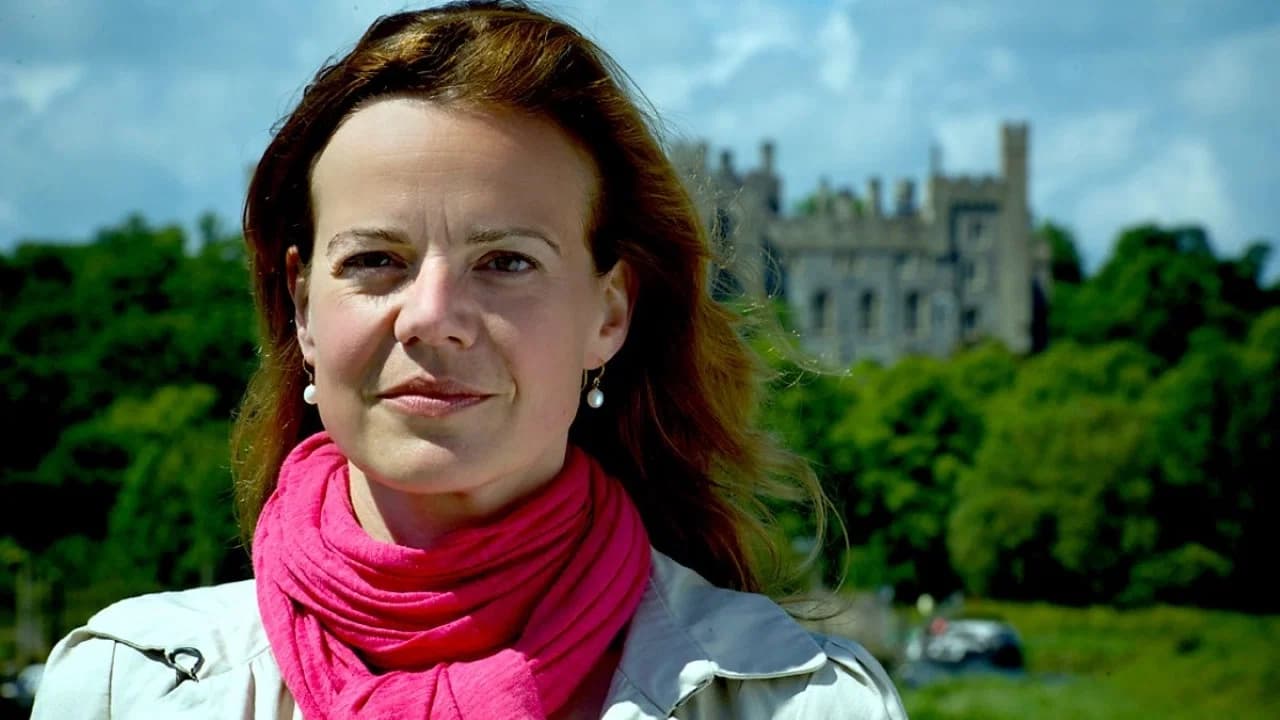
Historian Dr Helen Castor explores the lives of seven English queens who challenged male power, the fierce reactions they provoked and whether the term 'she-wolves' was deserved.
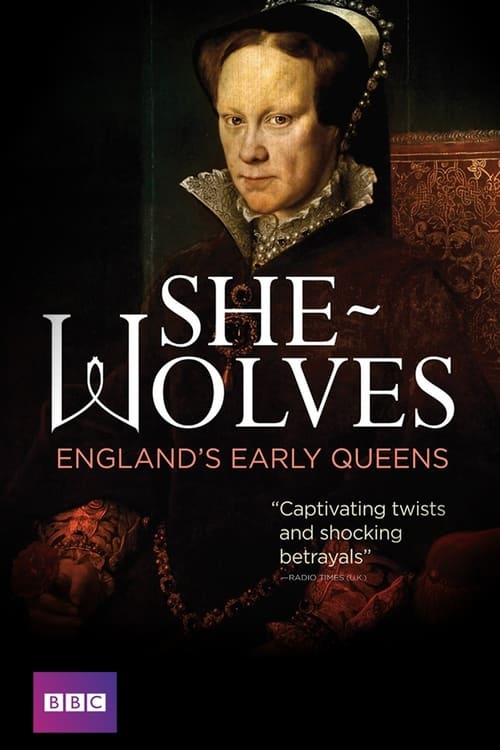
800 years ago, Matilda came within a hair's breadth of being the first woman to be crowned queen of England in her own right. Castor explores how Matilda reached this point and why her bid for the throne ultimately failed. Her daughter-in-law Eleanor of Aquitaine was an equally formidable woman. Despite being remembered as the queen of courtly love, in reality during her long life she divorced one king and married another, only to lead a rebellion against him. She only finally achieved the power she craved in her seventies.
In 1308 a 12-year-old girl, Isabella of France, became queen of England when she married the English king. A century later another young French girl, Margaret of Anjou, followed in her footsteps. Both these women were thrust into a violent and dysfunctional England and both felt driven to take control of the kingdom themselves. Isabella would be accused of murder and Margaret of destructive ambition - it was Margaret who Shakespeare named the She Wolf. But as historian Helen Castor reveals, their self-assertion that would have seemed natural in a man was deemed unnatural, even monstrous in a woman.
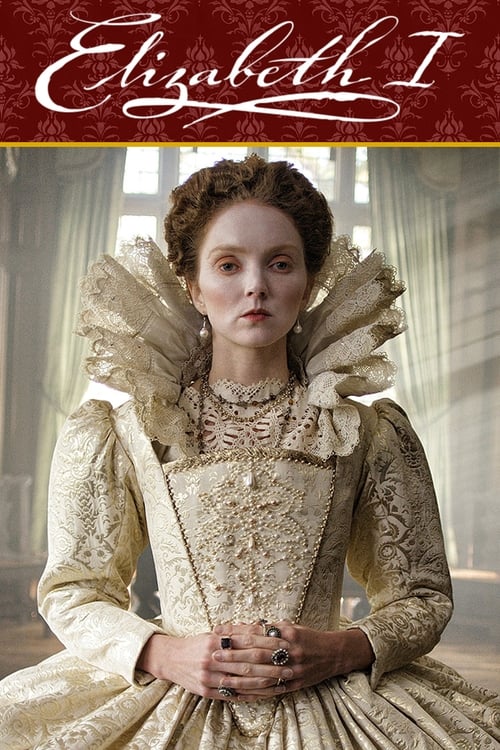
Helen Castor looks at what happened when England was faced not just with inadequate kings, but no kings at all. In 1553, for the first time in English history all the contenders for the crown were female. In the lives of these three Tudor queens - Jane, Mary and Elizabeth - she explores how each woman struggled in turn with wearing a crown that was made for a male head. Elizabeth I seemed to show that not only could a woman rule, but could do so gloriously.
Self - Presenter
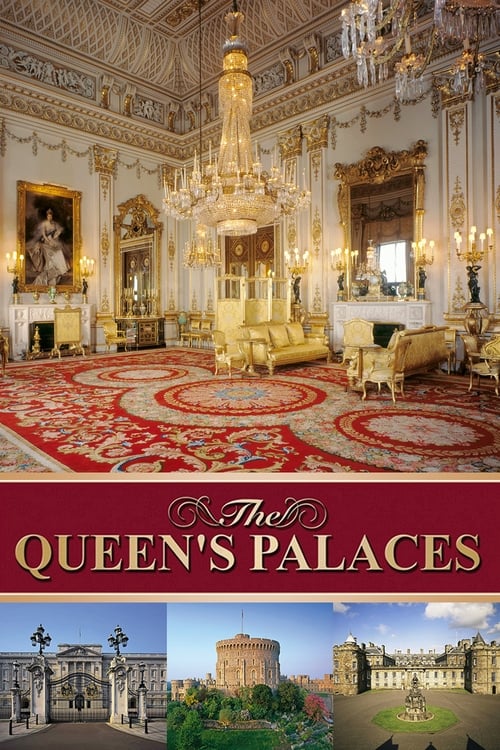
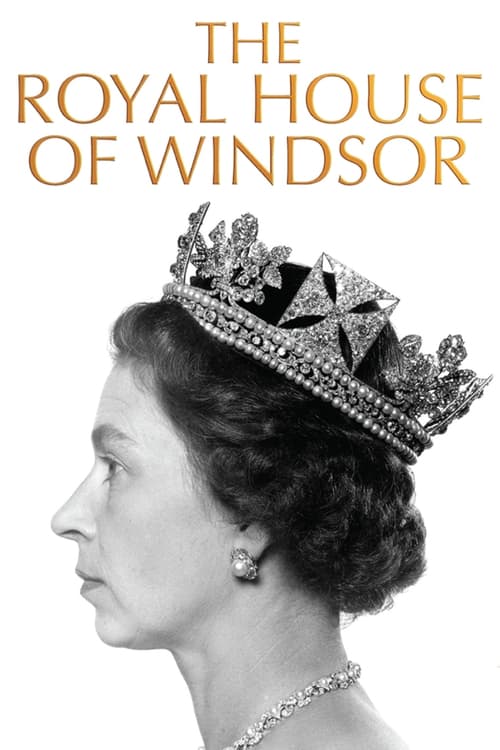
Since her glittering coronation, Queen Elizabeth II has become one of the most powerful and respected leaders on Earth and has been on the British throne for 67 years. Historians, royal insiders and the wider family provide fresh insight into who the Queen and her family really are, and how they have navigated the sometimes-turbulent seven decades of her record-breaking reign.
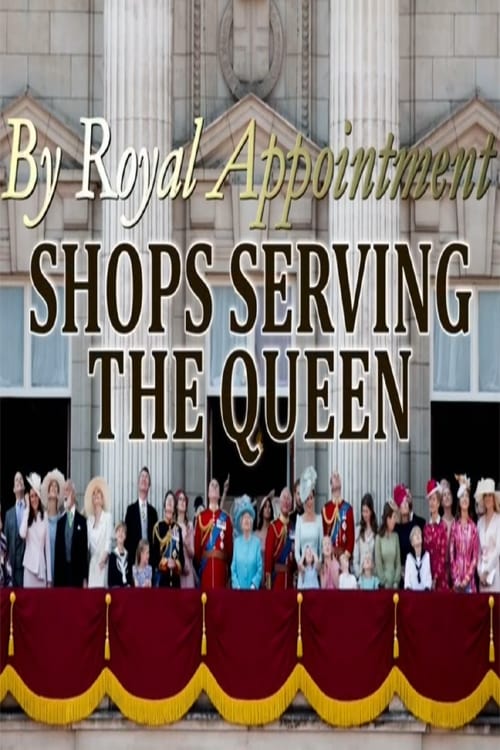
It may not surprise you to learn that among the hundreds of companies that the royal family patronise are eight champagne houses. But also on the list of royal warrants, there’s a scaffolding company, a sacks supplier, a broomstick maker and Weetabix (so now we know what the Queen has for breakfast). With the exception of new technology firms, they’re all well established companies, many dating back to the 1800s and even the 1700s.
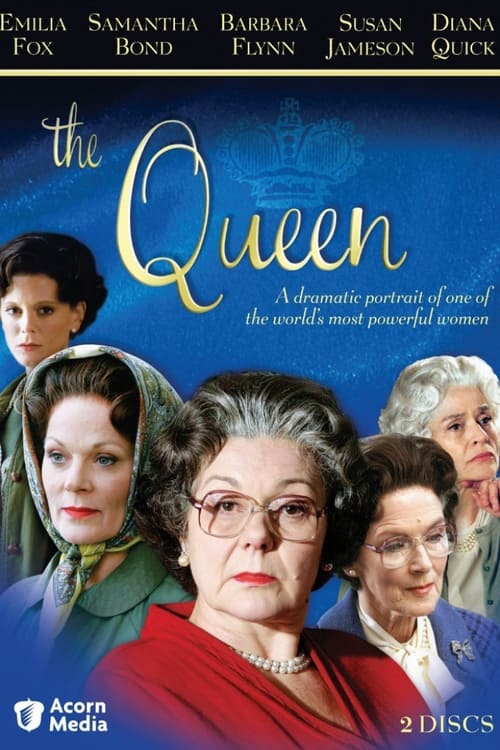
The Queen was a 2009 British drama-documentary showing Queen Elizabeth II at different points during her life. Broadcast on Channel 4 over five consecutive nights from 29 November 2009, the Queen was portrayed by a different actress in each episode. The Queen was portrayed by Emilia Fox, Samantha Bond, Susan Jameson, Barbara Flynn and Diana Quick. Katie McGrath played Princess Margaret in the first episode and Lesley Manville played Margaret Thatcher in the third episode. The series was co-funded by the American Broadcasting Company, the network which aired the series in the US. This reunited Emilia Fox and Katie McGrath who had played sisters in BBC One's Merlin.