


Loading titles…
Documentary / War & Politics
The Howard Years was a documentary series about the prime ministership of John Howard produced by the Australian Broadcasting Corporation. It was divided into four one-hour episodes - one episode for each term Howard served as Prime Minister of Australia - and originally…

Since regaining the leadership in 1995, Howard has re-created "a convincing consensual language" for the party beyond the narrow economic individualism in which it had become trapped by the 1980s. Particularly interesting is Brett's analysis of Howard's appropriation of core elements of national identity mythology once the preserve of Labor. Howard's first term of government (1996-1998). Key themes: Port Arthur; Pauline Hanson; Aboriginal reconciliation and native title; waterfront reform and the decision to introduce the GST.
John Howard entered his second term determined to secure his 20-year vision of tax reform. But in his victory speech, the seeds of discontent with his Treasurer were sown and would continue to grow. John Howard demonstrated his acute political antenna by responding to his Government's increasing unpopularity and dramatically changed economic policy to win back disgruntled voters.Then controversy erupted over the Tampa incident and the Pacific solution was born.
In a bizarre twist of fate, John Howard would find himself in Washington DC on the day the world changed forever. Encompassing both the 2001 and 2004 elections, episode three shows the PM at the height of his powers.
John Howard’s Prime Ministership ended with defeat at the 2007 election. But why was it so, and could the result have been different with a change of leadership? Speaking candidly, John Howard reveals his intentions after the 2004 election, and why he never stood down from the leadership.

Narrator & Interviewer

Self
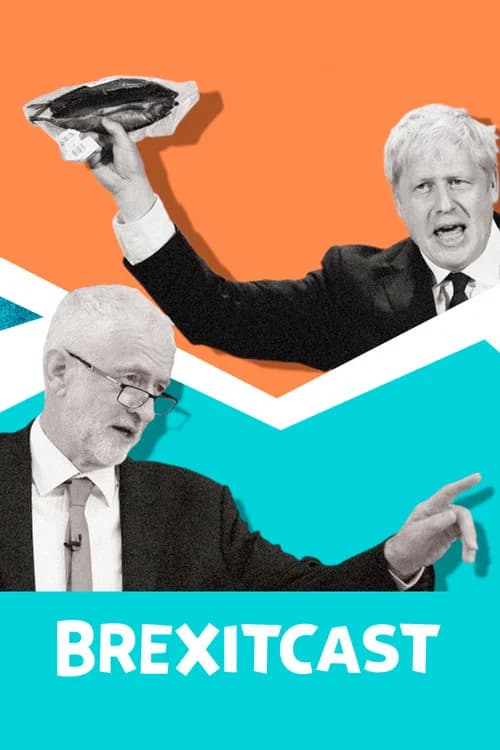

The European Union has been beset by a series of comings and goings over the last few years, each triggering its own brand of crisis. The civil war in Syria created the biggest wave of refugees to hit Europe since World War II, sparking contested debates on how to divvy up tens of thousands of refugees across E.U. countries. Meanwhile, in the U.K., Britain's vote in favor of Brexit added to the turmoil. Go behind the scenes with firsthand accounts of Europe's tumultuous last decade and its impact around the globe.

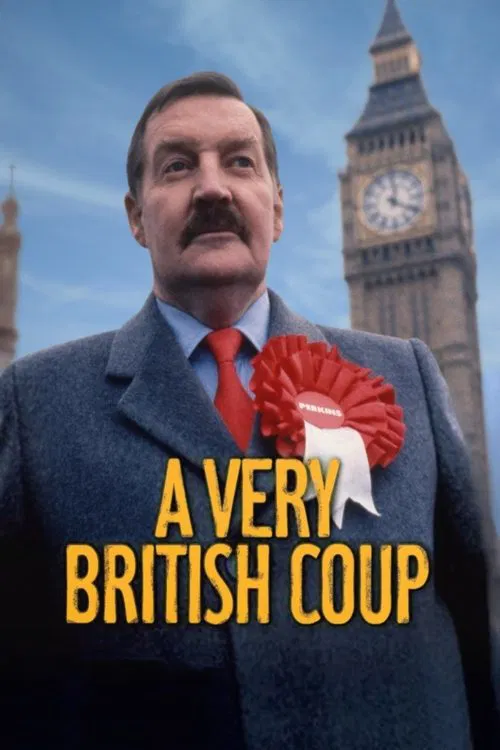
Working-class, left-leaning Harry Perkins is elected PM. As he works to implement social change via democratic process, the conservatives and their allies quietly begin working to remove him. Perkins' goals include nuclear disarmament, the dissolution of newspaper monopolies, open government and the closure of all US military bases on UK soil. While many members of the govnerment oppose him, he finds some support in Home Secretary Joan Cook and key members of his staff.


The story of an unassuming American family drawn into the workings of a turbulent Middle Eastern nation. Bassam "Barry" Al Fayeed, the younger son of the dictator of a war-torn nation, ends a self-imposed 20-year exile to return to his homeland, accompanied by his American wife and children, for his nephew's wedding. Barry’s reluctant homecoming leads to a dramatic clash of cultures as he is thrown back into the familial and national politics of his youth.
In 1988, renegade filmmaker Robert Altman and Pulitzer Prize–winning Doonesbury cartoonist Garry Trudeau created a presidential candidate, ran him alongside the other hopefuls during the primary season, and presented their media campaign as a cross between a soap opera and TV news. The result was the groundbreaking Tanner ’88, a piercing satire of media-age American politics.


After years away from the CIA, Elizabeth McCord is pulled back into the political arena. The newly appointed Secretary of State is tough, fair, and smart, driving international diplomacy, wrangling office politics, and circumventing protocol as she negotiates global and domestic issues, both at the White House and at home.

Mister Sterling is an American television serial drama created by Lawrence O'Donnell that ran from January to March in 2003. It starred Josh Brolin as an idealistic United States Senator, and featured Audra McDonald, William Russ, David Noroña, and James Whitmore as members of his staff. Despite mostly positive reviews, the show, which aired on NBC on Friday nights, was cancelled after 10 episodes after the show only ranked 58th in the yearly ratings Although it had numerous similarities to The West Wing in style and tone, it was not set in the same universe as O'Donnell's other political show. It is unknown if a cross-over would have ever occurred had Mister Sterling not been cancelled; however Steven Culp played presidential aspirant Sen. Ron Garland on Mister Sterling and House Speaker Jeff Haffley on The West Wing, and Democrats appeared to be in the majority in the US Senate on Mr Sterling, while in The West Wing consistent Republican control of both Houses of Congress was a key plot point. James Whitmore was nominated for a 2003 Emmy Award for Outstanding Guest Actor in a Drama Series for playing former Governor Bill Sterling, the senator's father.
