Loading titles…
Comedy / Drama
Mr. Sloane's titular character is a buttoned-down 1960's man in crisis. Between his failed attempts at marriage, career success and even suicide, it's fair to say that 1969 isn't shaping up to be Watford-dweller Mr. Sloane's year. But with a potential job opportunity on the…
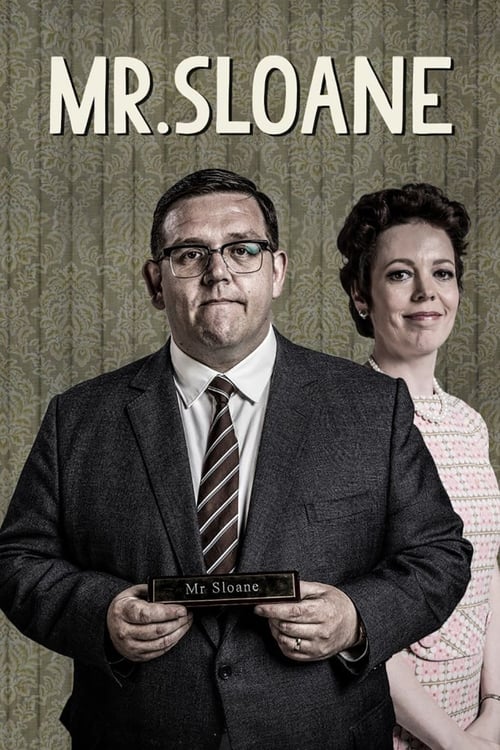
As the 1960s draws to a close, good-natured yet hapless Jeremy Sloane has been sacked from his job and his wife Janet has dumped him.
Things could be looking up for Jeremy when Robin agrees to let him fix her leaky tap.
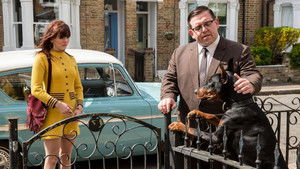
Robin pops to Jeremy's house for lunch and brings some brownies with her. While preparing the meal in the kitchen, an insatiable Jeremy starts snacking on Robin's treats.
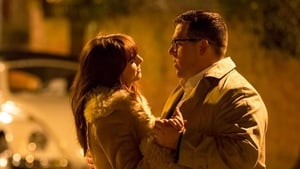
Jeremy breaks out of his comfort zone by joining Robin at a trendy nightclub, but not before he's given a pair of school bullies a taste of their own medicine.
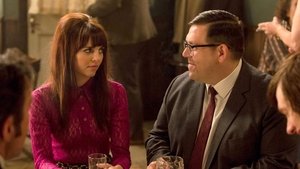
Jeremy's career hits an all-time low while Robin expresses concerns that his friends are holding him back. Then a surprise visitor arrives on his doorstep.
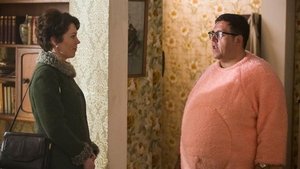
When Janet returns, Jeremy must choose between pursuing Robin and giving his marriage another go. Meanwhile, his friends reveal dark secrets.
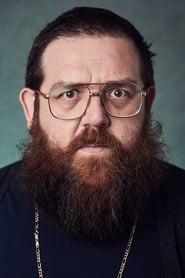
Jeremy Sloane
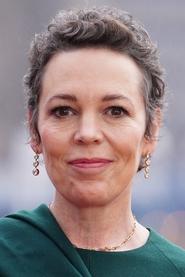
Janet Sloane
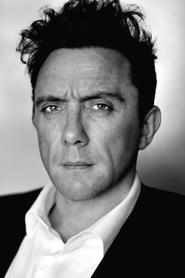
Ross
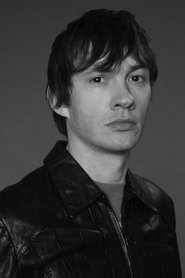
Beans

Robin

Reggie
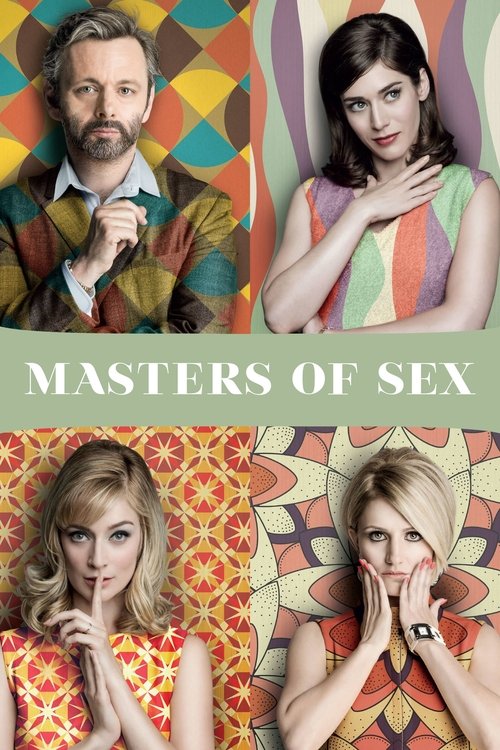
William Masters and Virginia Johnson are real-life pioneers of the science of human sexuality. Their research touched off the sexual revolution and took them from a midwestern teaching hospital to the cover of Time magazine and multiple appearances on Johnny Carson's couch. He is a brilliant scientist out of touch with his own feelings, and she is a single working mother ahead of her time. The series chronicles their unusual lives, romance, and unlikely pop culture trajectory.
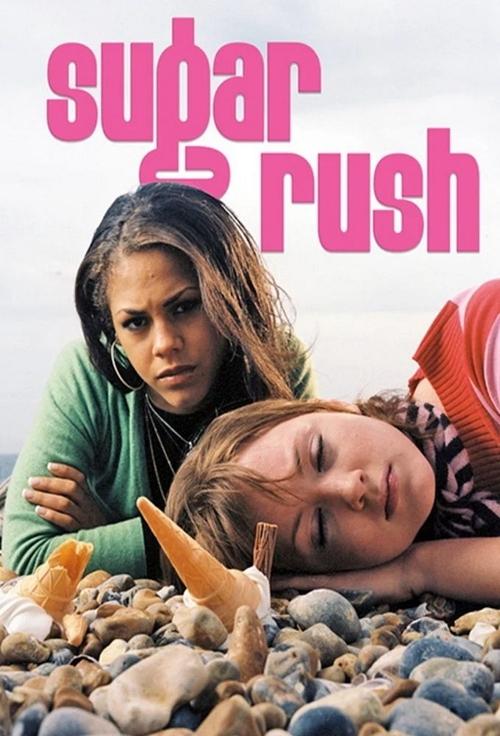
Sugar Rush is an Emmy Award–winning British television comedy drama series developed by Shine Limited and broadcast by Channel 4, based on the Julie Burchill novel of the same name. It follows the trials and tribulations of teenager Kim Daniels, who is dealing with all the usual adolescent issues, plus one - she thinks she might be gay. Her family has recently moved to Brighton from London, and she finds herself with a huge crush on her new best friend, Maria `Sugar' Sweet. Sugar has a bit of a wild side, and frequently gets Kim into trouble, though Kim can find trouble on her own as well. Despite attractions to other girls, and a few attempts at being interested in guys, Kim continues to long for Sugar.

The Bletchley Circle follows the journey of four ordinary women with extraordinary skills that helped to end World War II. Set in 1952, Susan, Millie, Lucy and Jean have returned to their normal lives, modestly setting aside the part they played in producing crucial intelligence, which helped the Allies to victory and shortened the war. When Susan discovers a hidden code behind an unsolved murder she is met by skepticism from the police. She quickly realises she can only begin to crack the murders and bring the culprit to justice with her former friends. The Bletchley Circle paints a vivid portrait of post-war Britain in this fictional tale of unsung heroes.
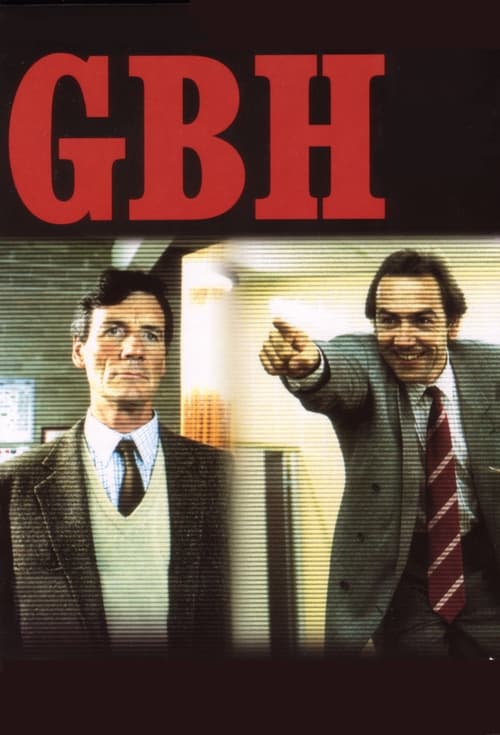
GBH was a seven-part British television drama written by Alan Bleasdale shown in the summer of 1991 on Channel 4. The protagonists were Michael Murray, the Militant tendency-supporting Labour leader of a city council in the North of England and Jim Nelson, the headmaster of a school for disturbed children. The series was controversial partly because Murray appeared to be based on Derek Hatton, former Deputy Leader of Liverpool City Council — in an interview in the G.B.H. DVD Bleasdale recounts an accidental meeting with Hatton before the series, who indicates that he has caught wind of Bleasdale's intentions but does not mind as long as the actor playing him is "handsome". In normal parlance, the initials "GBH" refer to the criminal charge of grievous bodily harm - however, the actual intent of the letters is that it is supposed to stand for Great British Holiday.
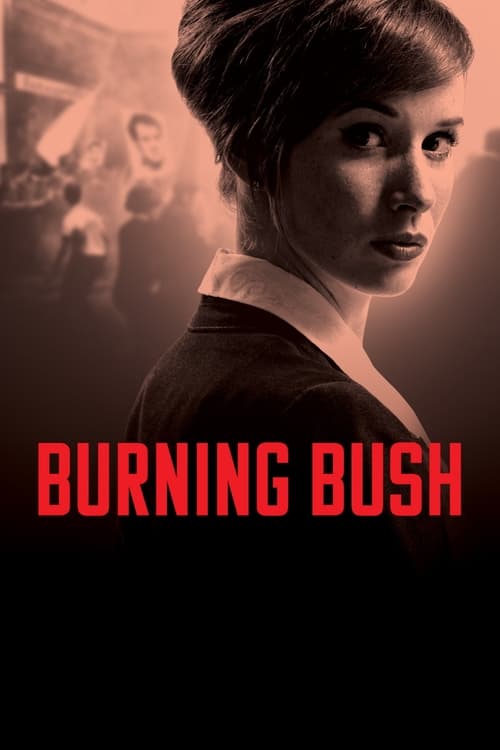
Based on real characters and events, this haunting drama focuses on the personal sacrifice of a Prague history student, Jan Palach, who set himself on fire in protest against the Soviet occupation of Czechoslovakia in 1969. Dagmar Burešová, a young female lawyer, became part of his legacy by defending Jan's family in a trial against the communist government, a regime which tried to dishonour Palach’s sacrifice, a heroic action for the freedom of Czechoslovakia.

During the 60s, Ernesto Orellana, a millionaire who is going through economic problems, decides to engage his daughter Laura with Lorenzo, the son of one of his wealthy friends. The wedding will be in "Vista Hermosa". Lorenzo is transferred by his driver Carlos, to whom he confesses to be homosexual and not wanting to really marry Laura, both agree to swap identities.
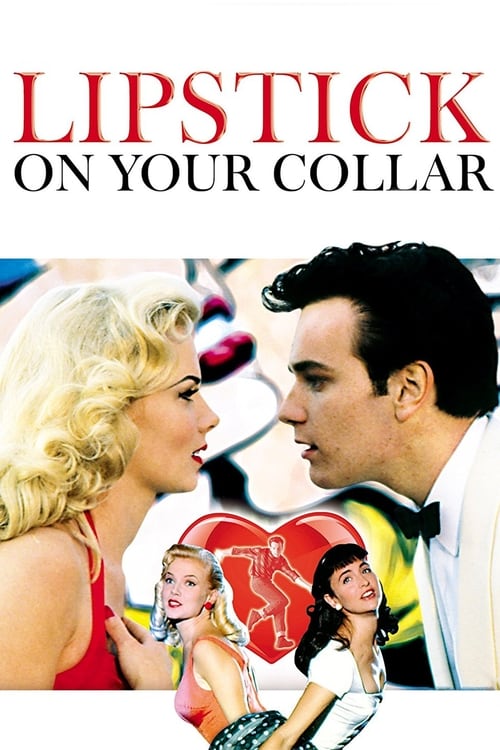

Diane, a young woman growing up in Australia in the mid 1960s, walks away from her fiancé to join a convent after being sure she has a calling to the faith. The Catholic Church and its followers are struggling with huge changes. The Pope has died, there is war in Vietnam and mandatory conscription, there is the Vatican controversy on abortion and contraception, and the changing face of the Church as a whole. Told in six parts, Diane faces her own demons and has to finally decide if she can teach what the Church preaches, or if it's simply impossible for her to reconcile all the contradictions of the faith and uphold her vow of obedience.