Loading titles…
Talk
Host Neil deGrasse Tyson brings together celebrities, scientists and comedians to explore a variety of cosmic topics and collide pop culture with science in a way that late-night television has never seen before. Weekly topics range from popular science fiction, space travel,…


Discussing how the scenarios in “Star Trek” relate to moral and social issues of today with actor George Takei.

Discussing how director Christopher Nolan translates his love of science to his films; with theoretical cosmologist Dr. Janna Levin and comic Eugene Mirman.

Activist, author and journalist Dan Savage joins Dr. Tyson to discuss what love means in today’s society. Anthropologist Helen Fisher and comedian Chuck Nice add their insight to the conversation.

Dr. Neil deGrasse Tyson and Arianna Huffington, co-founder and editor-in-chief of The Huffington Post, explore Living in the Information Age. The two discuss how technology influences the rate and ways in which we communicate. Journalist Jeff Jarvis and comedian Chuck Nice add their insight.

StarTalk tackles a burning question: Can Science and Religion Coexist? Dr. Neil deGrasse Tyson and evolutionary biologist and ethologist Richard Dawkins debate whether science and religion can truly coexist in today’s society. Jesuit clergyman James Martin and comedian Eugene Mirman weigh in.

Dr. Neil deGrasse Tyson and President Jimmy Carter examine the topic of Pulling the Plug on Pestilence. The duo discuss the importance of and progress toward ending fatal epidemic diseases. Mark Siddall, curator of the division of invertebrate zoology at the American Museum of Natural History, and comedian Chuck Nice share their views on this matter.

Social Media-Savvy Astronauts are taking over the cosmos. Dr. Neil deGrasse Tyson and Chris Hadfield, the first Canadian astronaut to walk in space, discuss social media milestones in space, and its usage among today’s astronauts. Former astronaut Dr. Mike Massimo and comedian Eugene Mirman comment on this growing trend.

Dr. Tyson explores The Impact of Twitter on Society as he sits down with Biz Stone, co-founder of Twitter and co-founder/CEO of Super.me. The two discuss how the social media phenomenon has affected the way we communicate in today’s world. Sharing their experience and opinions are Dr. Alondra Nelson, professor of sociology at Columbia University; Clive Thompson, journalist; and Eugene Mirman, comedian.
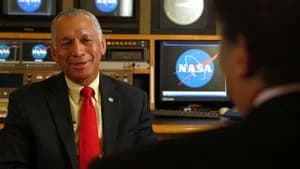
This week’s theme is NASA’s Vision on Space. Dr. Neil deGrasse Tyson and Maj. Gen. Charles Bolden, administrator of NASA, examine NASA’s past, present and future. Astrophysicist Dr. Michael Shara and science educator Bill Nye share their thoughts on the space program.

Dr. Neil deGrasse Tyson and Norman Lear, television writer and producer, discuss TV and the Evolution of American Culture. From “All in the Family” to “The Big Bang Theory,” the diverse television landscape and evolving American culture are explored. Author Saul Austerlitz and comedian Chuck Nice add their insight.

Self - Host
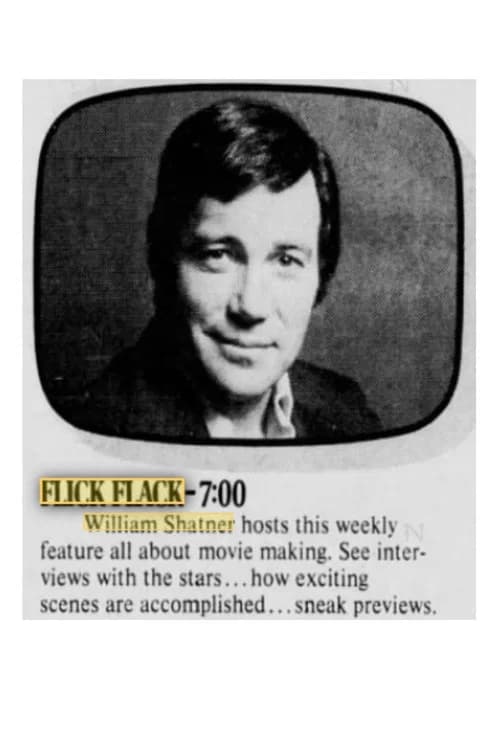
Flick Flack was a Canadian television series broadcast by Global Television Network in 1974. The series featured interviews with motion picture industry personalities combined with excerpts from films. William Shatner was the regular series host. "It was a TV show produced for Canadian TV. A handful of shows that aired every fortnight for a few months in the 70’s." @WilliamShatner · Sep 15, 2020

A daily hour of fun, food, and laughs, featuring lifestyle trends, home hacks, audience games, and inspiring stories – all from top experts. Mary Berg dives right in – from sharing daily, delicious and approachable recipes for the home cook, to cook-a-long sessions with guest chefs, and getting her hands dirty with gardening, DIYs, home renovations and more. As well, Berg welcomes notable guests, including authors, celebrities, influencers, and everyday heroes.
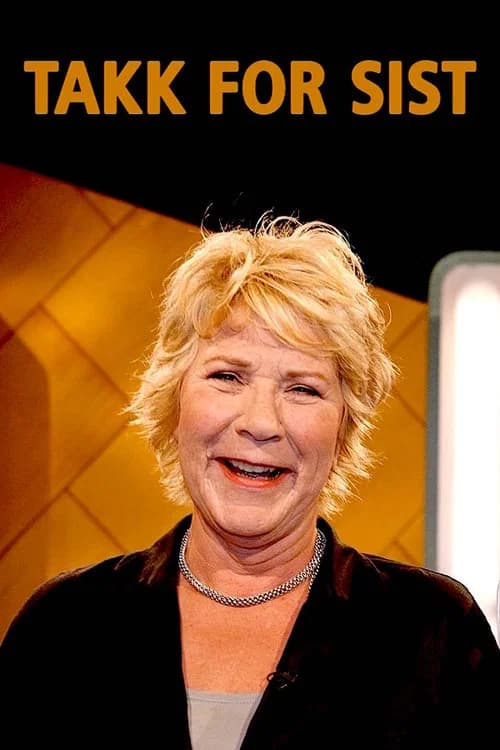
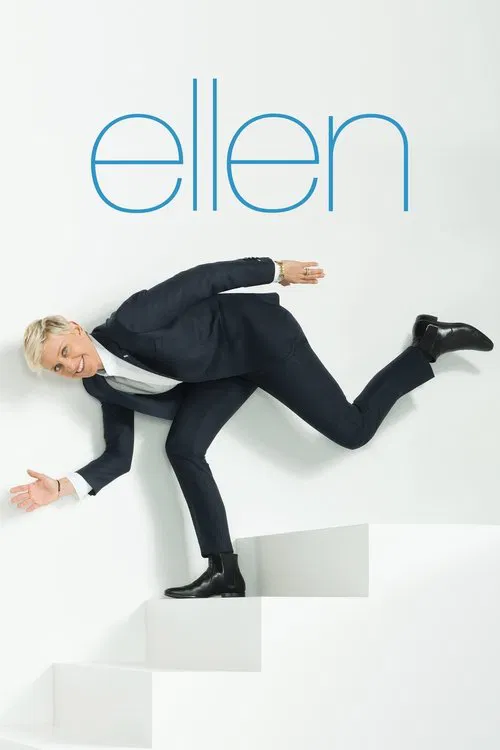


The Oprah Winfrey Show, often referred to simply as Oprah, is an American syndicated talk show that aired nationally for 25 seasons from 1986 to 2011. Produced and hosted by its namesake, Oprah Winfrey, it remains the highest-rated talk show in American television history. The show was highly influential, and many of its topics penetrated into the American pop-cultural consciousness. Winfrey used the show as a platform to teach and inspire, providing viewers with a positive, spiritually uplifting experience by featuring book clubs, compelling interviews, self-improvement segments, and philanthropic forays into world events. The show gained credibility by not trying to profit off the products it endorsed; it had no licensing agreement with retailers when products were promoted, nor did the show make any money from endorsing books for its book club. Oprah is one of the longest-running daytime television talk shows in history. The show received 47 Daytime Emmy Awards before Winfrey decided to stop submitting it for consideration in 2000.