

Loading titles…
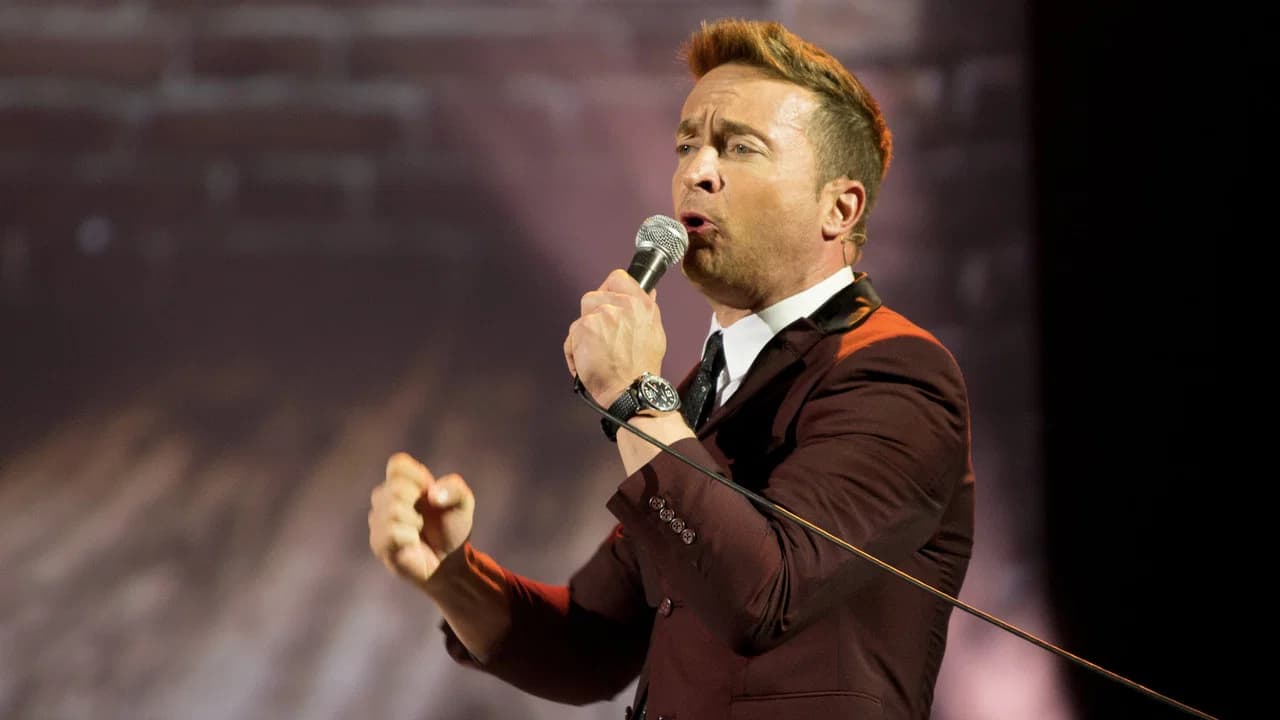
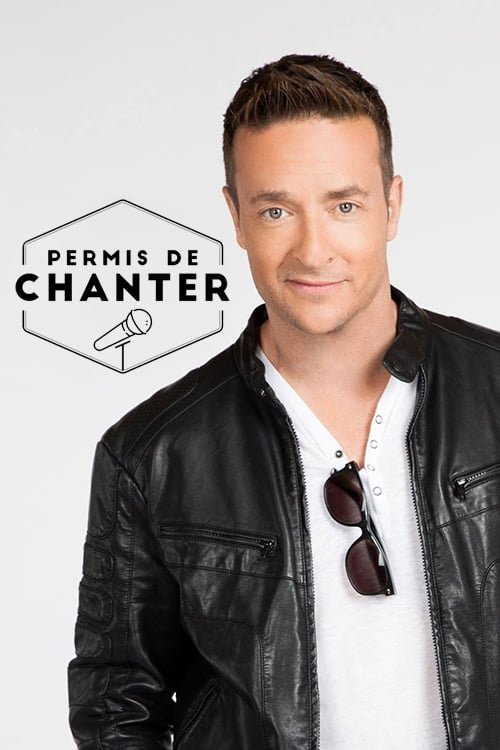
Comedian Mario Tessier and a celebrity guest sing familiar tunes in crowded public places in and around Montreal with the help of a portable karaoke machine.

No synopsis available.
No synopsis available.
No synopsis available.
No synopsis available.
No synopsis available.
No synopsis available.
No synopsis available.
No synopsis available.
No synopsis available.
No synopsis available.
No synopsis available.
No synopsis available.
No synopsis available.
Self - Host
Sing Along with Mitch, airing on NBC from 1961 to 1964, was a weekly sing-along program hosted by Mitch Miller and featuring a male chorus. Lyrics were presented at the bottom of the television screen. Singer Leslie Uggams, pianist Dick Hyman, and the singing Quinto Sisters were regularly featured. One of the show's trademarks was the final number, a group sing-along with the regular house chorale, among whom would be an uncredited celebrity not necessarily known for their singing ability. As the popularity of the show rose, Miller produced and recorded several "Sing Along with Mitch" record albums.

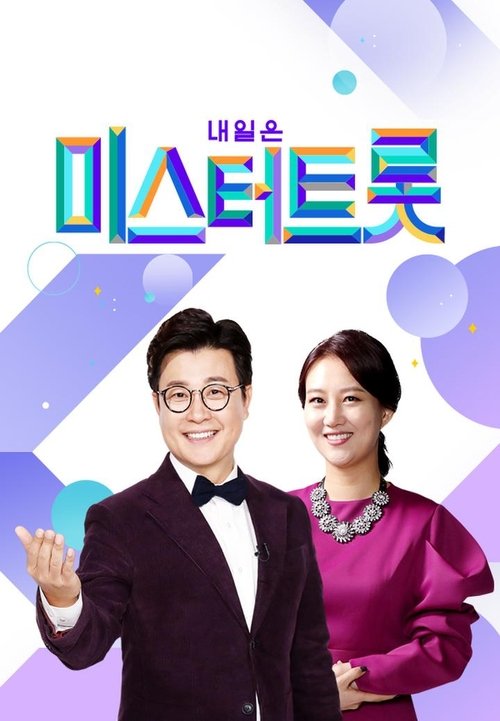
Trot music has been around listeners for decades, providing consolation and cheer people up. On the verge of the second hot wave of trot music, MISS TROT searches the next big superstar. Aspiring female vocalists from all over Korea compete to win the prize: big prize money and a chance to record a hit single. To be the next queen of trot music, the contestants must prove not only that they can sing trot, but also they love and cherish the genre. The show is hosted by Kim Sung-joo feat twelve music masters, from the best K-pop vocalist, mega-songwriter to trot music lovers.

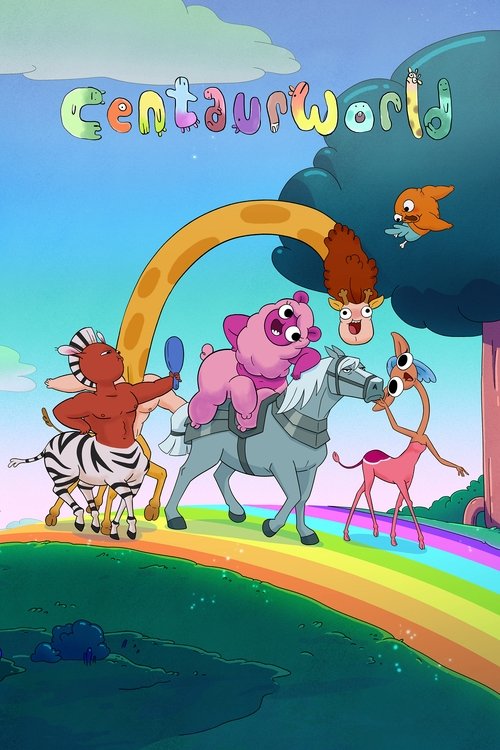
Centaurworld follows a war horse who is transported from her embattled world to a strange land inhabited by silly, singing centaurs of all species, shapes, and sizes. Desperate to return home, she befriends a group of these magical creatures and embarks on a journey that will test her more than any battle she's ever faced before.
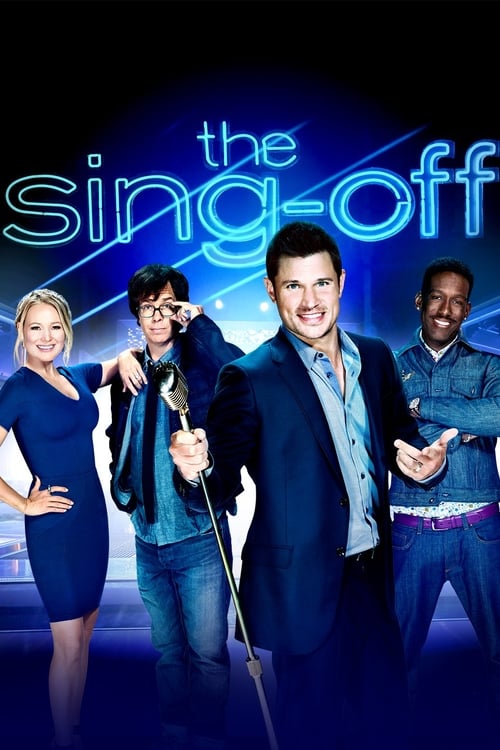
Featuring the country's best a cappella groups performing popular songs like you've never heard them before. There's no lip-synching, backup bands or safety net. They'll be singing for America's vote, with the winner walking away with the ultimate prize - a Sony Music recording contract and $100,000.

The world’s largest music show pits contestants against each other in the search for a person or group to sign a recording contract with Sony Music Entertainment New Zealand. New Zealanders have the chance to put their singing talent to the test. From Invercargill to Kaitaia, traveling the length and breadth of the country, with one goal - to discover the next great New Zealand recording artist.

Little Star is a Filipino drama series produced by GMA Network and TAPE Inc.. It stars Jennylyn Mercado, Mark Anthony Fernandez, Lovi Poe and Paolo Contis. This series is directed by Maryo J. Delos Reyes. The show premiered on October 25, 2010 in the Philippines and on October 28, 2010 on GMA Pinoy TV. The series concluded on February 11, 2011 and replaced by Nita Negrita. It ran for 16 weeks with 80 episodes in all.
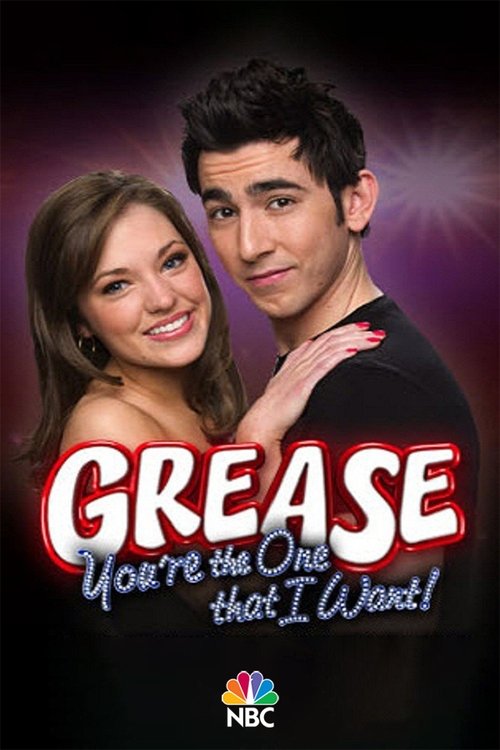
Grease: You're the One That I Want! was an NBC reality television series designed to cast the lead roles of Sandy Dumbrowski and Danny Zuko in a $10 million Broadway revival of the musical Grease to be directed and choreographed by two-time Tony Award-winner Kathleen Marshall. The Broadway production began previews at the Brooks Atkinson Theatre on July 24, 2007, and officially opened on August 19. The TV show, from the producers of Dancing With the Stars, was patterned after an original format created by Andrew Lloyd Webber for the BBC series How Do You Solve a Problem Like Maria?, which selected the lead in the successful 2005 West End revival of The Sound of Music. The show's title was taken from the song "You're the One That I Want" from the 1978 screen adaptation of Grease. Although the song was not part of the original Broadway production, the revival will add the songs written for the film to those written for the original Broadway production. The program generated so much interest in the upcoming Broadway revival that, as The New York Post reported on April 4, 2007, ticket sales had topped $9 million, although the TV show was a "ratings loser".