
Loading titles…
Documentary
A look ahead at the cataclysmic events that could extinguish the human race.
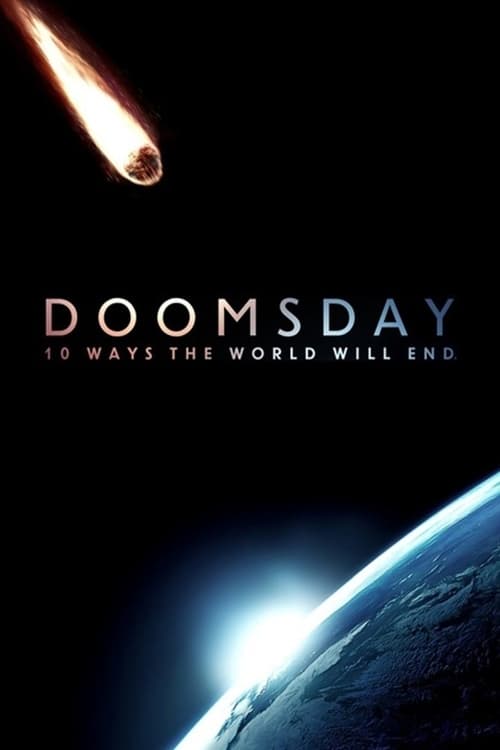

65 Million Years ago, an asteroid impact caused a cascade of catastrophes that led to the downfall of the dinosaurs, but what would happen if the same size space rock struck near the same spot again? How would modern humans cope with a hailstorm of falling rocks and debris, mega tsunamis, out of control fires, blast-furnace temperatures, and a destroyed ozone layer? In the wake of worldwide destruction, who would survive...and who would perish?

Human civilization is under attack from a catastrophic–but unseen–threat from space. A supermassive black hole is moving toward Earth at almost the speed of light. As this celestial killer approaches our planet, its enormous gravitational forces trigger earthquakes, volcanic eruptions, and tsunamis larger than any the world has ever seen.

There are twice as many rogue planets as stars in the galaxy. So what might happen if a ringed planet the size of Neptune were on a collision course with Earth? Within a period of just four hours, as people flee in panic, the gravity from the rogue planet would tear apart the Moon, stir up supersonic winds, trigger every earthquake fault and volcano, and finally pull the Earth to pieces.
When Earth gets hit by a deadly Solar Storm--a massive chunk of the Sun--our planet's electrical system turns into a smoking ruin. How does modern civilization cope without power?
World War 3 breaks out and a nuclear nightmare becomes reality as thousands of hydrogen bombs destroy the world's greatest cities. A deadly fallout of ash and debris creates a Nuclear Winter, plunging the planet into a sudden Ice Age. Crops fail worldwide and mass starvation drives humanity to the brink of extinction.
The most powerful blast of cosmic radiation in the Universe is just seconds from slamming into Planet Earth. When a gamma ray burst from two colliding stars hits the atmosphere, the deadly radiation delivers agonizing death and immediately wipes out half the planet. On the other side of the Earth, the Americas face a slower death as ultraviolet radiation and starvation threaten to send the human race into extinction. How will the last remaining humans survive?
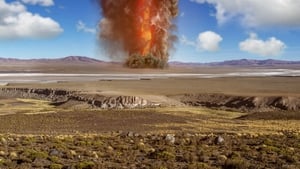
For the first time in human history, a volcanic hyper eruption blows through the surface of the Earth. Explosive shock waves tear apart buildings, molten rock slam into cities, and a deafening sound circles the globe. A bad day for Planet Earth gets worse as volcanic gas blocks out sunlight, food chains collapse, and epic famine threatens the very future of mankind.
What if, for the first time in four and a half billion years, the Earth was pulled out of its orbit... sending our planet on a collision course into the Sun. Earth's deadly fall takes 65 days, triggering massive hurricanes, sandstorms and--with temperatures reaching over 200 degrees--a heat wave that kills every last person.
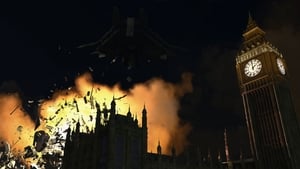
When rogue aliens launch a surprise attack on Earth, people are left dying in the streets, world governments are obliterated, cities are destroyed, and a deadly virus is unleashed. Can mankind survive or is this the end?
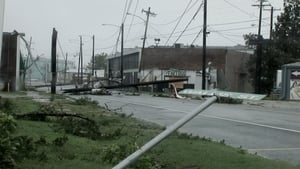
Ocean currents control the climate around the world. When they suddenly stop, it unleashes an endless cascade of weather disasters, including blizzards, superstorms, wildfires, widespread drought, and rapid sea level rise. No place on earth is spared from this climate catastrophe that threatens to end human civilization.

Narrator
Self - Scientist (as Trevor Valle)
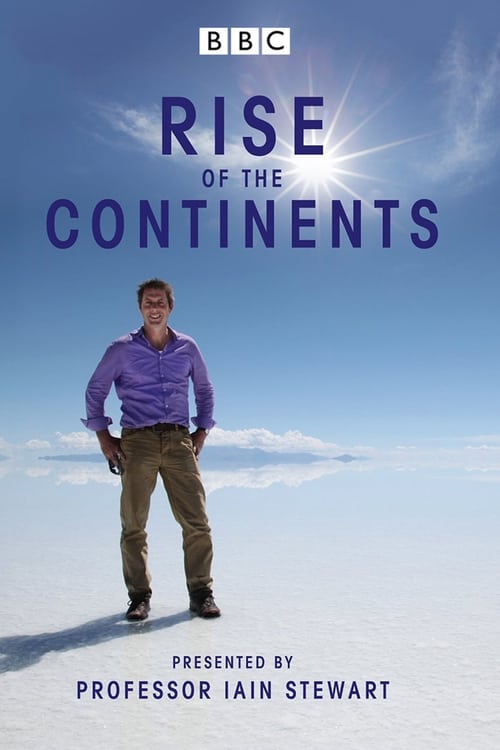
The Earth’s continents are instantly recognizable. These iconic landmasses seem permanent and unchanging, yet they are merely the wreckage of a much larger long-lost supercontinent – Pangaea. In this stunning four part series Professor Iain Stewart uncovers the evidence for this ancient past. He reveals how the world around us is full of clues – in the rocks, the landscapes and even the animals. All of which tell us how the land we live on was created.
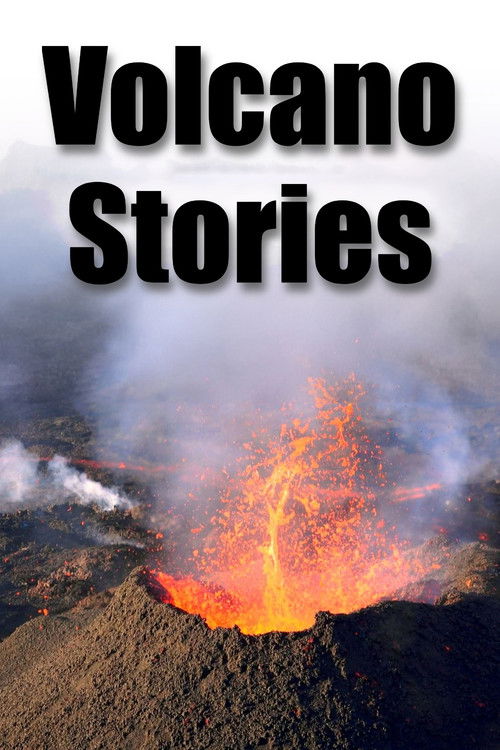
No two volcanoes are alike; each one has its own distinctive landscape, climate, and geological context. Just as unique are the people we meet along the way who help us comprehend how greatly our planet – and our lives – have been shaped by volcanic phenomena. For the scientific aspect of each episode, we explore the very diverse range of questions raised by volcanic phenomena in such varied fields as earth sciences, climatology, biodiversity, oceanography, geography, agronomics, and archaeology. The cultural part of the show delves into mythology, religion, philosophy, folk and artistic traditions, cooking, and ways of life.
Biologist Liz Bonnin and geologist Martin Pepper set out on a global expedition to answer the most thought-provoking questions in earth science today. Throughout history, such geologic events as volcanic eruptions, tsunamis, tectonic plate motion, earthquakes, and asteroid impacts have continually reshaped Earth's surface, spreading chaos across the planet. By performing experiments, making observations in the field, and consulting expert scientists, the eight-part series works to uncover Earth's immeasurable capacity to create and destroy.
Heart of the World delves into the true wonder and beauty of nature, taking us through the centuries of some of the most spectacular sights on earth - Colorado's National Parks. With stunning photography of the parks filmed throughout the seasons, these three hour-long episodes explore the geological history of each park, the forces of nature that changed them, and the people they have inspired.
This extraordinary series is a sweeping account of the rise of Earth’s continents. They are the product of a grand waltz of plate tectonics and the continual evolution of Earth’s crust. As landmasses assemble and separate, they fuel volcanoes and spark earthquakes, building mountains and tearing valleys. We see the Earth, eons in the making, through the eyes of geologists and other scientists.
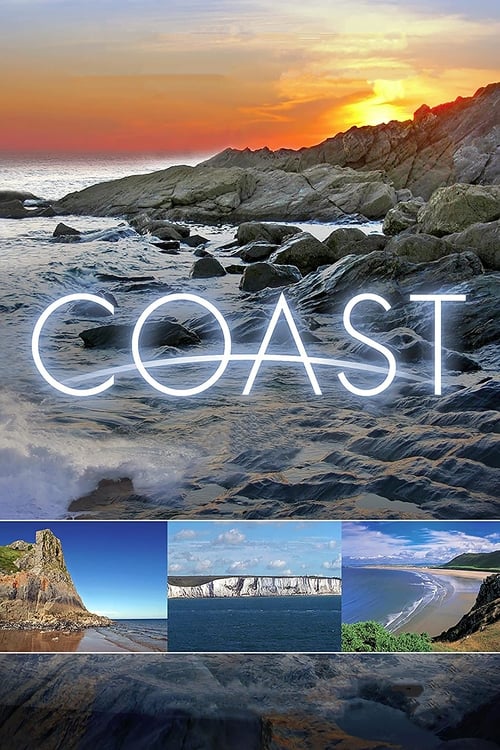
The nation's love affair with the coast will be reawakened for this entertaining and ambitious exploration of the entire UK coastline. Every part of the 9,000-mile coast is covered to explore how we've shaped it - and how it shapes us. Hosted by a team of history and geography experts who investigate everything from life on a nuclear submarine; rebuilding the Titanic using computer images; the story behind the first Butlins holiday camp; and the birth of the Severn Bore. Discover the curious, sometimes dysfunctional, relationship between the British and the seas.
