Loading titles…
War & Politics / Documentary
The Crusades: An Arab Perspective is a four-part series produced by Al Jazeera English, which presents the dramatic story of the medieval religious war through Arab eyes. The series provides a new perspective on the history of the Crusades for a global, English-speaking…
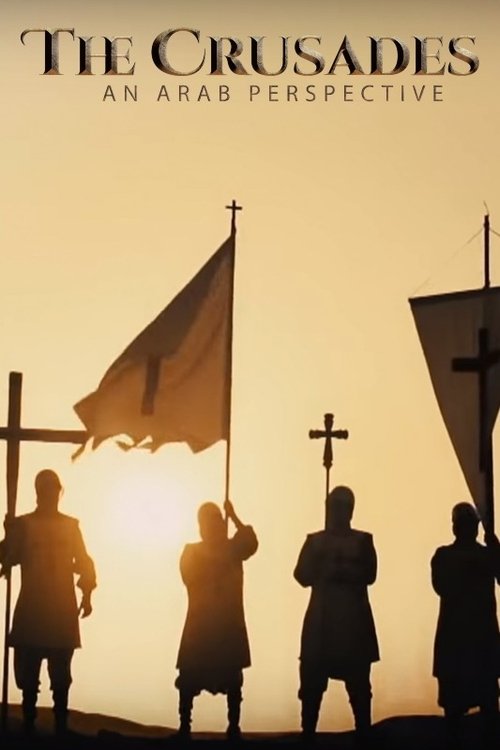
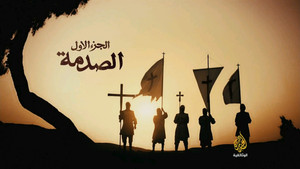
the first episode, explores the reasons behind the start of the Crusades, centered on Jerusalem, the holy city for Christians, Jews and Muslims.

The second episode, tells the story of the early Muslim resistance to the Crusades, led by the Zengids, a Turkic dynasty ruling the northern Levant
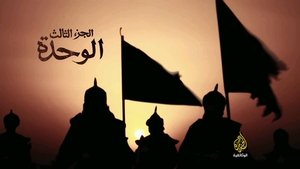
The third episode, looks at how the famous sultan, Saladin, united Muslims across Egypt.

The fourth episode, examines how the Mamluk Sultans of Egypt brought about the eventual destruction of the remaining Crusader states in the east.
No cast information available.
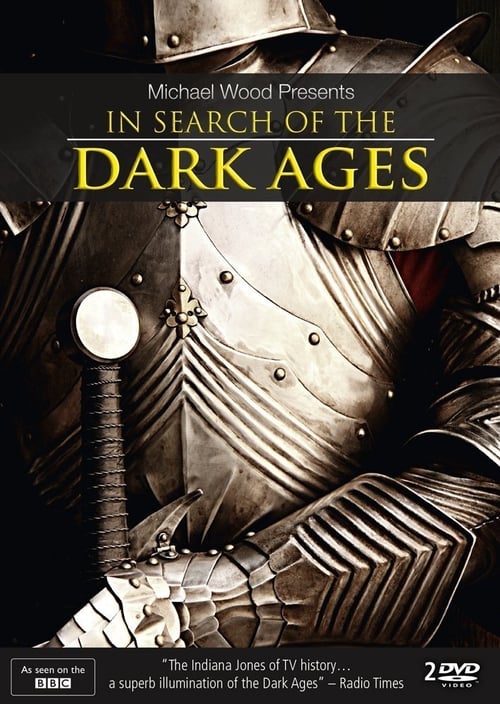
In Search of the Dark Ages was a television series, written and presented by Michael Wood, and first shown in 1979. It is also the title of a book written by Wood to support the series, which was published in 1981. The television series consisted of a series of separate programmes, hence the collective title is often written as In Search of ... The Dark Ages. It began with In Search of Offa, recorded in 1978 by BBC Manchester, and shown on 2 January 1979. Subsequent programmes in the first series were on Boadicea, King Arthur and Alfred the Great, shown with a re-run of Offa over successive nights in March 1980. The first series was such a success when shown in an off-peak slot on BBC Two that a second series was broadcast in 1981, with subjects including William the Conqueror, Ethelred the Unready, Athelstan and Eric Bloodaxe.
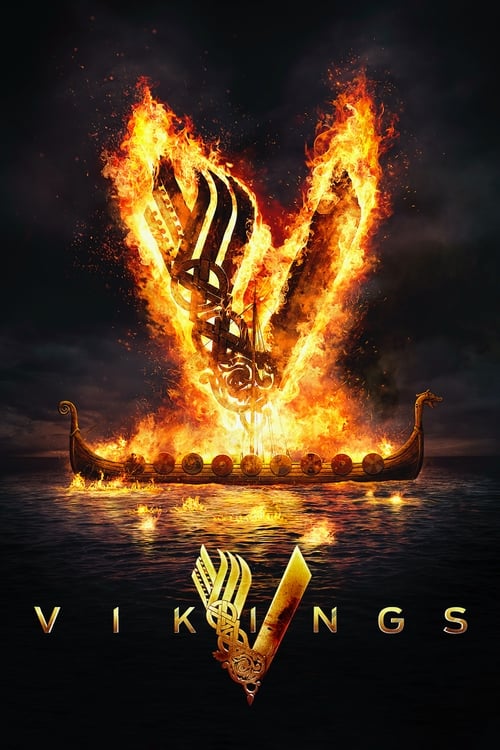
The adventures of Ragnar Lothbrok, the greatest hero of his age. The series tells the sagas of Ragnar's band of Viking brothers and his family, as he rises to become King of the Viking tribes. As well as being a fearless warrior, Ragnar embodies the Norse traditions of devotion to the gods. Legend has it that he was a direct descendant of Odin, the god of war and warriors.
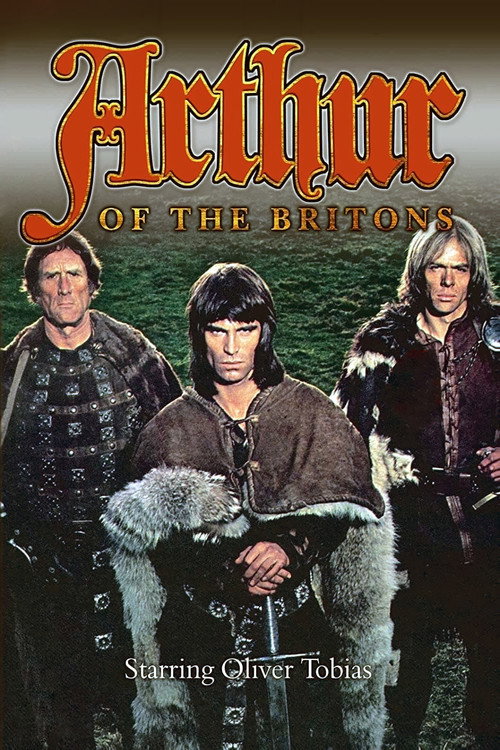
This series strips away the elaborate medieval view of Camelot, and presents Arthur as the chief of a small Celt tribe in Dark-Ages Britain, a century or two after the withdrawal of Rome. Arthur struggles to weave the scattered tribes of Celts, Jutes, etc. into a union that can effectively oppose the Saxon invaders who are arriving in Britain in growing numbers. He is aided by his adoptive father, Llud, and his foster brother, Kai, who is himself a Saxon foundling.
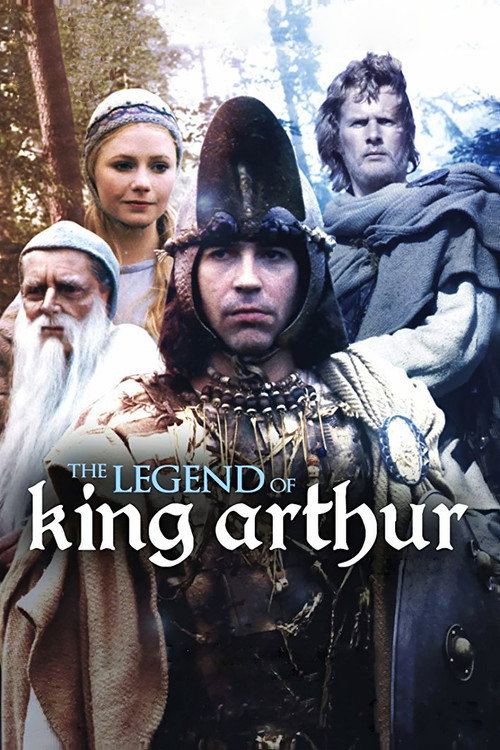
Dark Ages wizard Merlin, weary of the barbarism around him, creates a new order of enlightenment and justice with a youthful Arthur at its head. Merlin gifts Arthur with the magic legendary sword Excalibur to help him defeat the nobles who oppose his rule. But Arthur must also beware his half-sister Morgan, a sorceress who has sworn to kill him to avenge her father's death. As Morgan intensifies her plans for revenge, she uses magic to draw Lancelot and Guinevere into a passionate affair. However, it is the still more traitorous Mordred who will ultimately determine the fate of Arthur's rule.

Driven was a motoring television programme launched by Channel 4 in 1998 as a rival to the successful and long-running BBC series Top Gear. The style was similar to its rival, but with additional features such as the "Driven 100", a road test of three cars in the same class, where each car would be given marks for qualities such as practicality, desirability and cost of ownership. The car with the highest total score would be the winner. The programme launched with the concept that the presenters should interact with each other rather than present items on their own, as was then the case on Top Gear. The first series also featured a "headquarters", a racing team truck, set on a former air force base at which cars were put through their paces. These concepts resurfaced in the reborn Top Gear soon after.