Loading titles…
Documentary
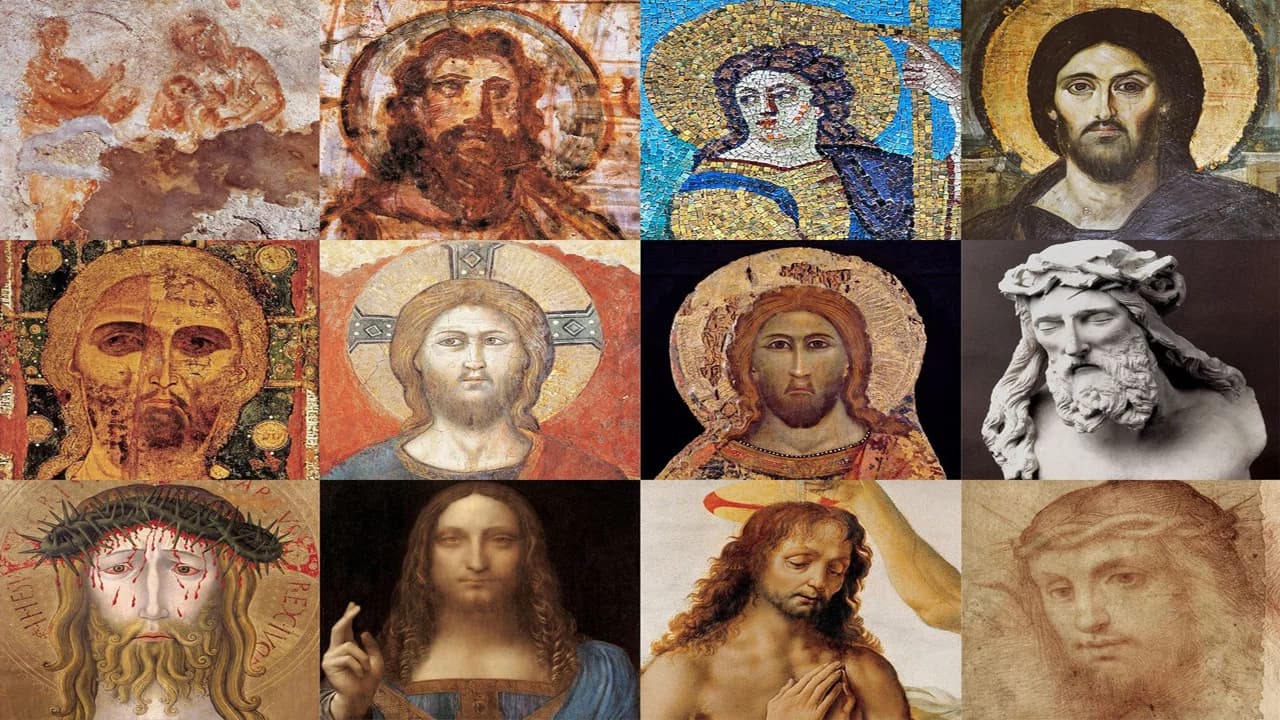
The epic story of the emergence of Christianity in just over a century, from the death of Jesus of Nazareth, around the year 30, to the moment when the leaders and followers of the new faith, already scattered throughout the eastern Mediterranean, from Jerusalem to Rome, are…


No synopsis available.
No synopsis available.

No synopsis available.
No synopsis available.

No synopsis available.

No synopsis available.

No synopsis available.

No synopsis available.

No synopsis available.

No synopsis available.
No cast information available.

In The Sermon on the Mount, an eight-hour course, Dr. Jordan Peterson explores the profound wisdom and symbolism embedded in this foundational biblical text, highlighting the transformative power of living by Christ-like principles. He offers a deep dive into key passages, such as the Beatitudes and the Lord’s Prayer, emphasizing the importance of humility, self-reflection, and the pursuit of meaning when facing life’s challenges. Throughout the lectures, Dr. Peterson masterfully integrates biblical narratives, Jungian psychology, and personal stories, illustrating the enduring relevance of these teachings for navigating the complexities of the human experience.

In God, The Bible & Humanity, a five-hour course, Bishop Robert Barron explores the nature of God, the biblical narrative, and the life and teachings of Jesus Christ through the lens of Catholic theology. Drawing from the Old and New Testaments, he examines themes such as God's transcendence and immanence, the importance of right worship, spiritual liberation, and the roles of priest, prophet, and king. The course culminates in a profound reflection on the Sermon on the Mount and the transformative power of the crucifixion and resurrection of Jesus.

In Thomas Aquinas, a seven-hour course, Bishop Robert Barron guides us through a study of the theological and philosophical system of Thomas Aquinas, the 13th-century Dominican friar who masterfully synthesized Ancient Greek philosophy with Christian doctrine. We examine his Five Ways for demonstrating God's existence, his understanding of divine attributes and the Trinity, and his teachings on creation, providence, and the problem of evil. The course delves into Aquinas's philosophical anthropology, particularly the relationship between body and soul and humanity's creation in God's image. We conclude by studying his ethical framework centered on finding happiness in God as humanity's ultimate goal, and the role of virtues in ordering human life toward God.