


Loading titles…
Documentary
Hosted by Jason Silva, Origins: The Journey of Humankind rewinds all the way back to the beginning and traces the innovations that made us modern.

Harnessing fire gave us the power to create, to destroy and to transform. But it also taught us hard lessons about what we can and cannot control. This is the story of how fire transformed our biology and carried us from the savannah to the moon.
Microscopic armies have waged war on humanity for thousands of years. Medicine is our great weapon to fight back against invisible, unthinkable death.
Money is the most successful story imagined by humans, because it's the only story everyone believes. From a simple act of trade to the greed for gold to today’s global economy, the meaning of money and what we value changes as civilization evolves. If modern money is a reflection of who we are, what does it say about us?

If knowledge is power, communication is the jet fuel, the delivery system, the gift we give each other that links the modern world. But it has a dark side.

War brings out the best and worst in humanity. It has revolutionized medicine, transportation and communication, and changed how we live and how we think.
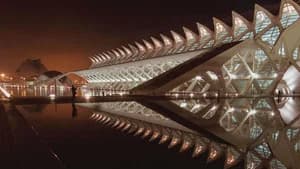
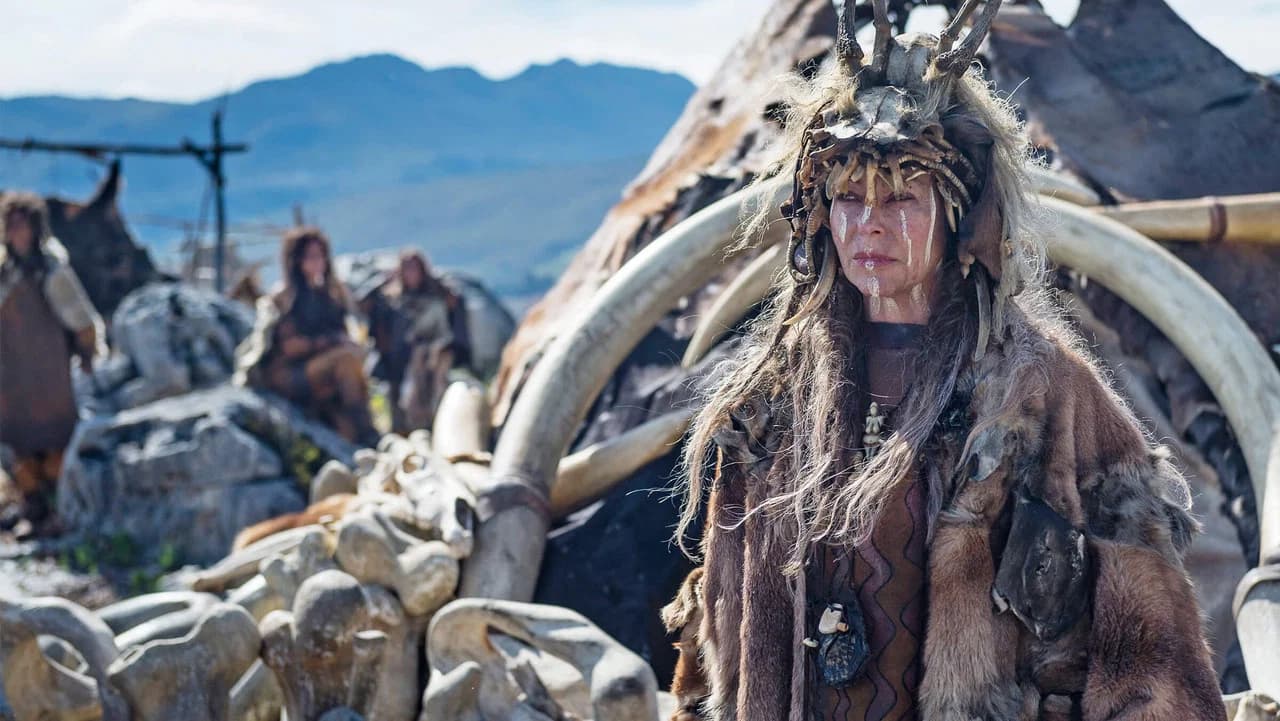
The human race has moved from bone huts to skyscrapers. Today, we are seemingly everywhere ... everywhere we want to be. Our walls and structures dominate the landscape. They don't just protect us, they define us. They represent our dream of the modern world. "Shelter" is the story of how we shaped the world around us, and how that world shaped us back.
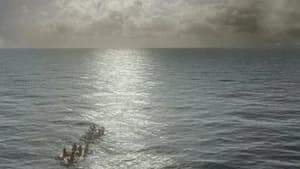
When it comes to the edge of the darkness, the bend in the horizon or the distant stars, humans can't help ourselves: exploration is in our nature. We have climbed to the summits of the earth, peered into the depths of the oceans and planted our feet on the moon. Our primal curiosity has sparked new inventions and revealed the mysteries of the universe.
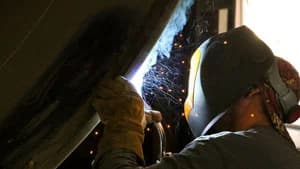
Freedom of movement has given us freedom of mind. The flow of people and materials exposes us to new ideas, new ways of life and new understanding. This is the story of how transportation turned society inside out. How engines and animals powered the rise of civilization. And how the innovations that drive humanity forward made us modern.

Himself - Presenter
Narrator


Life is a fragile thing. It changes and adapts so specifically to survive in the environment it's placed in. This ability to adapt is called evolution, and it's the reason that life has endured for the past few billion years. But evolution takes a long time, so when environments change too quickly for the inhabitants to keep up, the result is a drop in population or at the worst… extinction. And sometimes these changes can be so big that they affect the entire globe. Leading to some of the most catastrophic events in our planet’s history… mass extinctions. Content creator Angel of Death explores the five mass extinctions and the effects they had on life on earth in this five part miniseries.

"Mankind : The Story of All of Us" is an epic 12-hour television event about the greatest adventure of all time—the history of the human race. It takes 10 billion years for the ideal planet to form and 3 billion more for the right conditions to emerge before it finally happens: mankind begins. From there unfolds a fast-paced story told here through key turning points—stepping stones in our journey from hunter-gatherer to global citizen. It’s a tale of connections—why some ideas take hold and spread around the globe, and how the lives of people in one part of the world are shaped by events in another.


Victorian Pharmacy is a historical documentary TV series in four parts, first shown on BBC Two in July 2010. It was made for the BBC by independent production company Lion Television. It was filmed at Blists Hill Victorian Town in Shropshire. It is a historical documentary that looks at life in the 19th Century and how people attempted to cure common ailments. Since some of the ingredients of Victorian remedies are now either illegal or known to be dangerous, Nick Barber often uses his modern pharmaceutical knowledge to produce similar products without those ingredients. The other main presenters are Tom Quick, a PhD student, and Ruth Goodman, a domestic historian who also appeared in Tales from the Green Valley, Victorian Farm and Edwardian Farm.


A five-part series that features the latest research exploring how early humans evolved. See how the mixing of prehistoric human genes led the way for our species to survive and thrive around the globe. Archaeology, genetics and anthropology cast new light on 200,000 years of history, detailing how early humans became dominant.

Examining the quality crisis in our health-care system and exploring innovative solutions, this four-part PBS documentary provides a comprehensive look at the state of medicine in America today. Topics include patient safety, medical and medication mistakes, hospital-acquired infections, family-centered care and effective management of chronic disease. Moving personal stories highlight the problems and the people who are working to solve them.
