Loading titles…
Documentary
Alain de Botton's psychobabble-free self-help course for the philosophically minded.

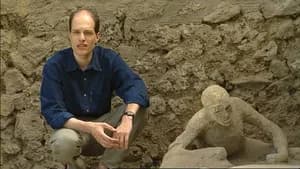
Seneca believed anger flowed from our surprise when things don't turn out how we expect. Can Seneca's advice help angry van driver Wayne and stressed executive Venetia?
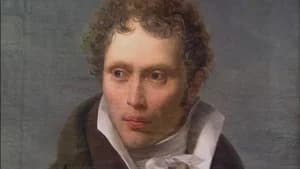
German philosopher Arthur Schopenhauer believed that love was the most important thing in life. His philosophy explains the mystery of why we fall in love with the people we do.

Alain De Botton considers how the ancient Greek philosopher Epicurus believed there were just three simple things we needed in order to be happy, and money wasn't one of them
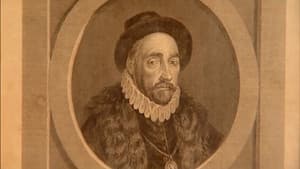
Why do so many people suffer from feelings of low self-esteem? Alain De Botton looks at the problem through the eyes of the French 16th-century philosopher Michel de Montaigne.

Alain demonstrates that ancient Athenian philosopher Socrates can help give us all the intellectual self-confidence we need to work out what we really think and believe

Friedrich Nietzsche believed that any worthwhile achievements in life come from the experience of overcoming hardship, and that a comfortable, painless existence wouldn't be worth living

Himself


In The Sacred and the Profane, an eight-hour course, Dr. Jordan B. Peterson explores Mircea Eliade’s ideas and the powerful ways sacred experience shapes human consciousness, meaning, and civilization itself. Drawing on comparative mythology, psychology, and religious traditions, the lectures reveal recurring archetypal patterns—from confronting chaos and undergoing transformation to establishing meaningful order—across cultures and history. Key themes include archetypal narratives, sacred centers and wilderness, hierarchies of meaning, the nature of recurring existential crises, and the ultimate role of sacrifice and voluntary responsibility in creating cosmos from chaos.

A 13-part documentary series by Chris Marker examining how ancient Greek ideas continue to shape modern Western thought. Each episode centers on a single Greek word—such as “democracy,” “philosophy,” or “mythology”—through conversations filmed in cities around the world. Combining symposium-style discussions with archival footage and visual motifs of the owl, Marker creates an expansive reflection on the enduring legacy of Greece.


What would we be without mucus? Can we live on water? How much does life weigh? Finding out the answers is the aim of ARTE's new science show. In a nod to Douglas Adams's "Hitchhiker's Guide to the Galaxy", where the figure 42 is the ultimate answer to all questions, 42 tries to provide the answers.


The Essential Lectures of Alan Watts video series was recorded in 1971 above Muir Woods, California, and in 1972 aboard the ferryboat the SS Vallejo in Sausalito. Produced by his son Mark and directed by long-time archivist Henry Jacobs, the series explores core philosophical themes that spawned over Watts' career.