

Loading titles…
Documentary
Alain de Botton's psychobabble-free self-help course for the philosophically minded.
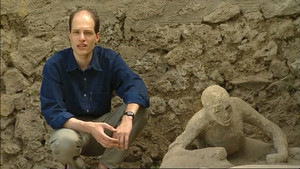
Seneca believed anger flowed from our surprise when things don't turn out how we expect. Can Seneca's advice help angry van driver Wayne and stressed executive Venetia?
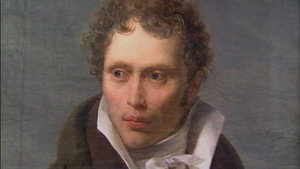
German philosopher Arthur Schopenhauer believed that love was the most important thing in life. His philosophy explains the mystery of why we fall in love with the people we do.
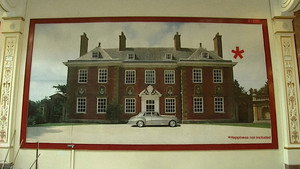
Alain De Botton considers how the ancient Greek philosopher Epicurus believed there were just three simple things we needed in order to be happy, and money wasn't one of them
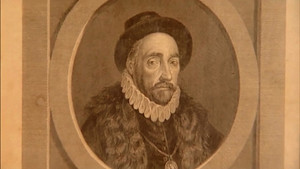
Why do so many people suffer from feelings of low self-esteem? Alain De Botton looks at the problem through the eyes of the French 16th-century philosopher Michel de Montaigne.
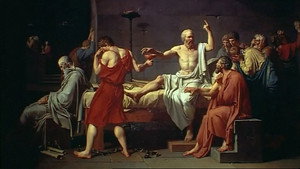
Alain demonstrates that ancient Athenian philosopher Socrates can help give us all the intellectual self-confidence we need to work out what we really think and believe
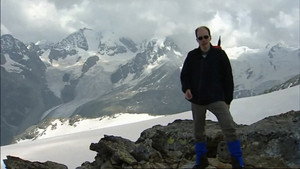
Friedrich Nietzsche believed that any worthwhile achievements in life come from the experience of overcoming hardship, and that a comfortable, painless existence wouldn't be worth living
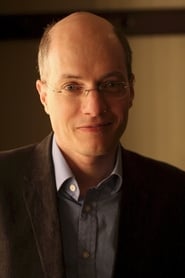
Himself
What would we be without mucus? Can we live on water? How much does life weigh? Finding out the answers is the aim of ARTE's new science show. In a nod to Douglas Adams's "Hitchhiker's Guide to the Galaxy", where the figure 42 is the ultimate answer to all questions, 42 tries to provide the answers.
An epic adventure that aims to unravel the mystery at the heart of our existence: the questions of our identity and our destiny. The series features some of the world’s most baffling real life stories and exciting findings in the fields of consciousness studies, near-death experiences and past-life memories. Adventurous researchers following the evidence where it leads them have discovered that the lines of evidence converge to a conclusion that is refreshingly new – yet perennially known.

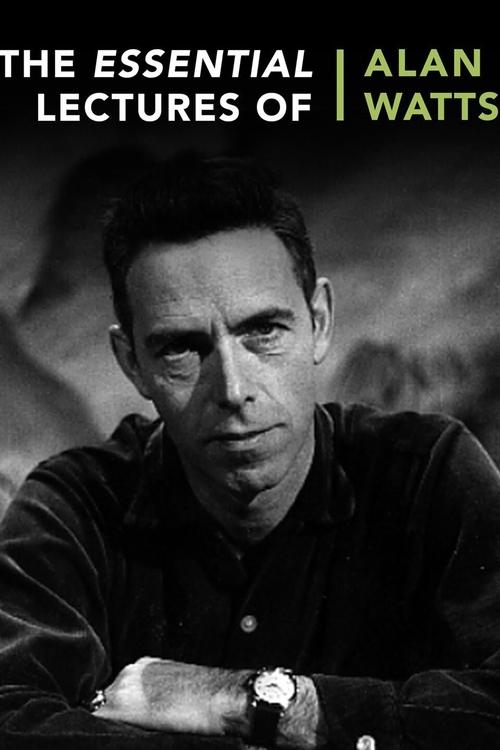
The Essential Lectures of Alan Watts video series was recorded in 1971 above Muir Woods, California, and in 1972 aboard the ferryboat the SS Vallejo in Sausalito. Produced by his son Mark and directed by long-time archivist Henry Jacobs, the series explores core philosophical themes that spawned over Watts' career.
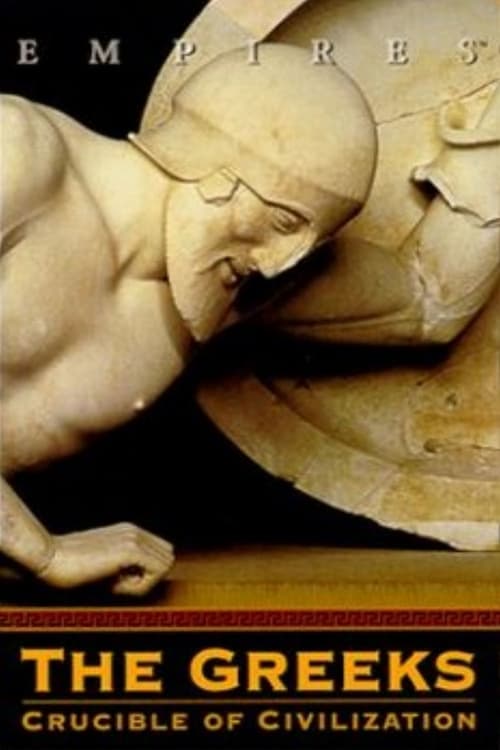
In the fourth and fifth centuries, B.C., the Greeks built an empire that stretched across the Mediterranean from Asia to Spain. They laid the foundation of modern science, politics, warfare and philosophy, and produced some of the most breathtaking art and architecture the world has ever seen. It was perhaps the most spectacular flourishing of imagination and achievement in recorded history.
Asking how you tell what's real and what isn't sounds like an obvious question. But in this series of six programmes, James Burke shows that the more you think about it the harder it is to answer. After all, what have you got, apart from your five senses, to prove those senses are giving you the real thing?