
Loading titles…
Documentary
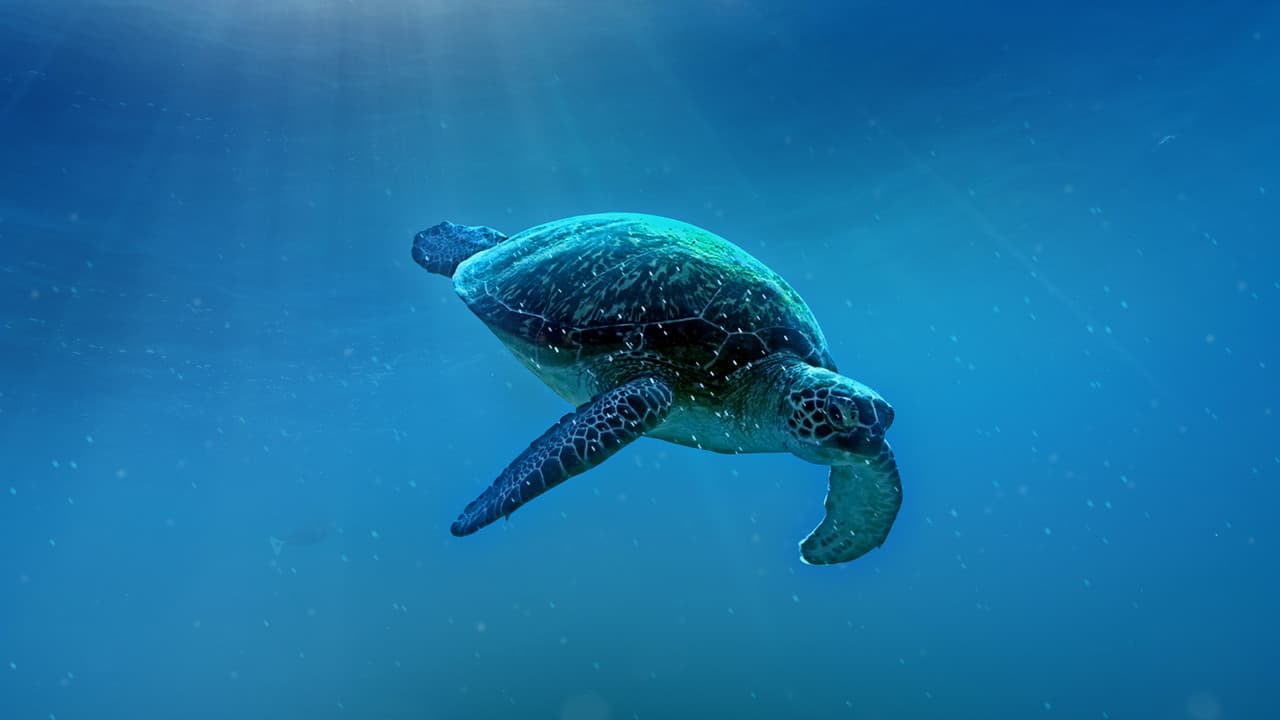
Plunge into the Pacific with researchers and cinematographers and see the ocean’s rare and dazzling creatures in a way never before seen on television. The show examines an ocean that covers a third of the Earth’s surface.
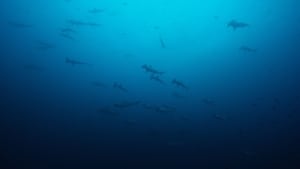
Man has explored land, the ocean’s surface, and large parts of the solar system, and in the 21st century we are just beginning to explore the depths of the Pacific Ocean. We yearn to unravel the mysterious Pacific – but she does not give up her secrets willingly.
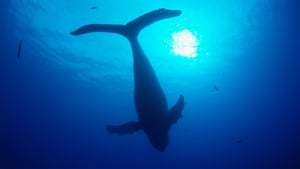
Surrounded by the Ring of Fire, the Pacific Ocean is the epicenter of natural mayhem. Violence is part of life in the Pacific and creatures that live here must choose whether to avoid conflict or rise to meet it.
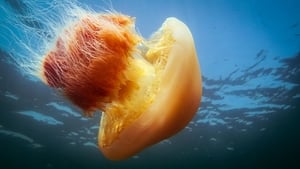
There is plenty of food in the Pacific Ocean, but it is the challenge of finding that food that drives all life in the Pacific. In the voracious Pacific we meet a destructive army of mouths, a killer with a hundred mouths and the biggest mouth in the ocean.
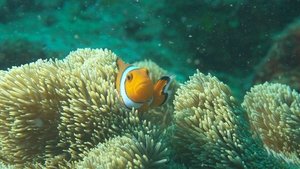
In the Pacific, the quest to multiply has spawned a stunning array of unusual behaviors and adaptations. There are forest penguins with a tenuous marriage, the secret rendezvous of great white sharks, and the tale of male pregnancy.
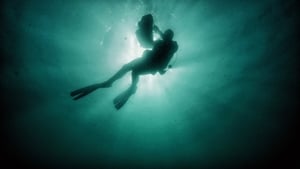
Follow the adventures of the filmmakers behind “Big Pacific.” This “Making Of” special explores the highlights and challenges of wildlife filmmaking.

Cast

Cast
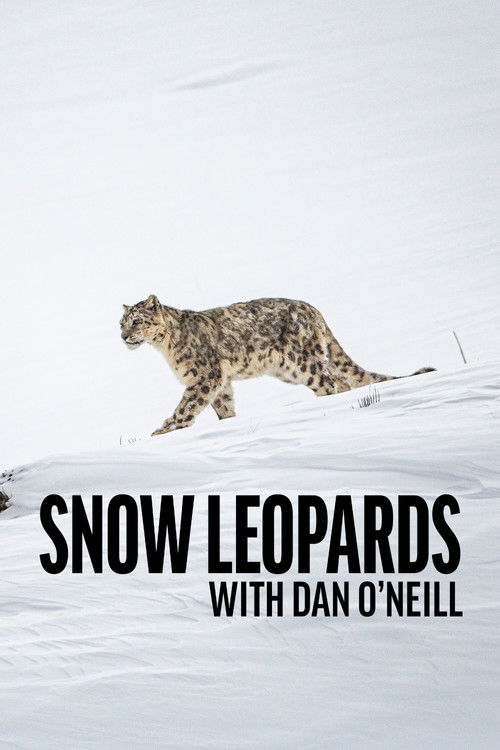
Biologist and naturalist Dan O'Neill embarks on a groundbreaking mission to protect one of the world's most elusive creatures—the snow leopard. Set against the stunning backdrop of Kyrgyzstan's rugged mountains, this two-part adventure follows Dan as he works to build a new research center dedicated to studying these majestic cats.
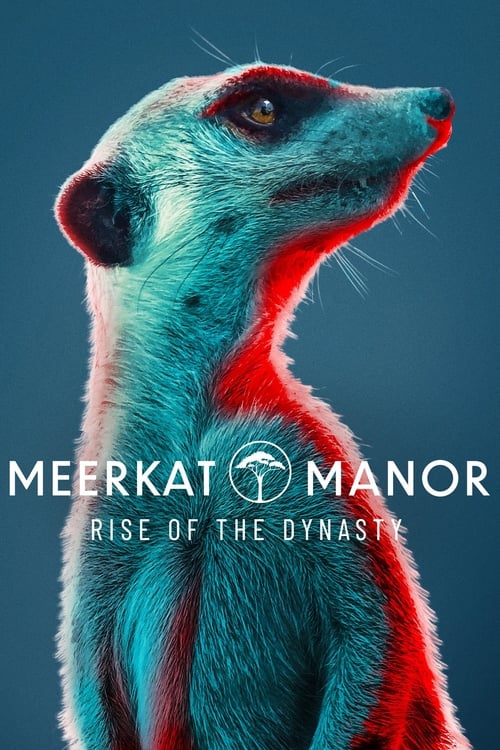
Continuing the compelling saga of the heartstring-tugging, dramatic tale of survival revolving around three families of meerkats who are descendants of the legendary meerkat matriarch, Flower. Neighbors and rivals who share a bloodline are forced to compete for food and resources in an environment that is undergoing a great deal of change: the Kalahari Desert in South Africa.

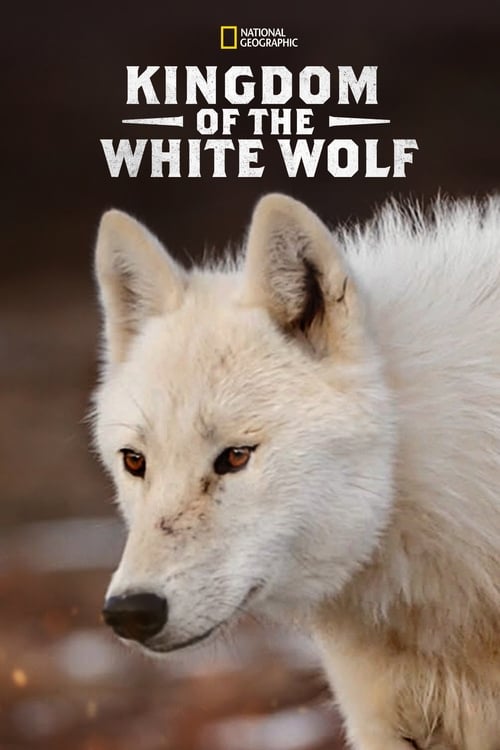
Ronan Donovan, our expert guide and National Geographic photographer, takes the audience on an intimate exploration of the Arctic during the endless day of the summer months, giving insight to the unexpected abundance of the 'Garden of the Arctic' in Wolf Valley as he attempts to embed with a wolf family pack.
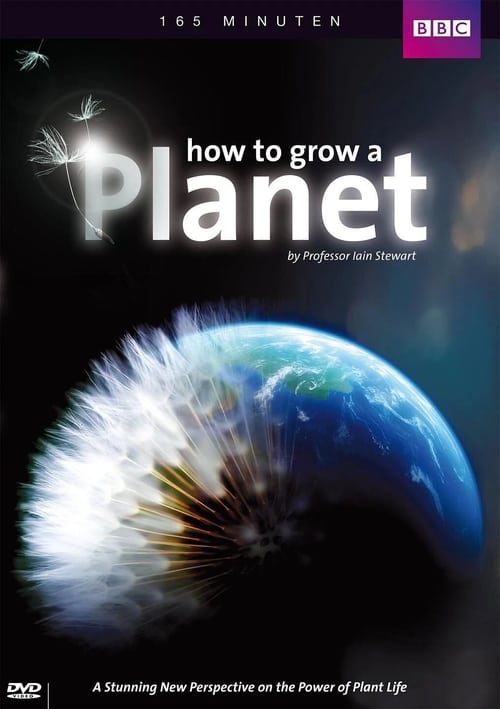
Geologist Iain Stewart explain in three stages of natural history the crucial interaction of our very planet's physiology and its unique wildlife. Biological evolution is largely driven bu adaptation to conditions such as climate, soil and irrigation, but biotopes were also shaped by wildlife changing earth's surface and climate significantly, even disregarding human activity.
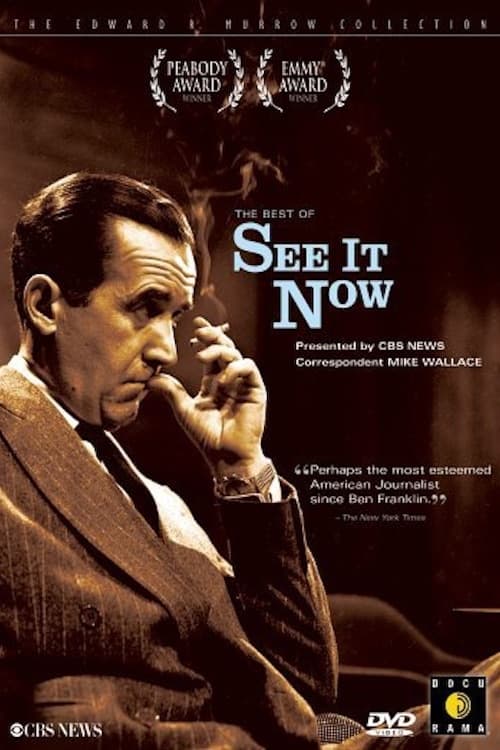
See It Now is an American newsmagazine and documentary series broadcast by CBS from 1951 to 1958. It was created by Edward R. Murrow and Fred W. Friendly, Murrow being the host of the show. From 1952 to 1957, See It Now won four Emmy Awards and was nominated three other times. It also won a 1952 Peabody Award, which cited its