
Loading titles…
Documentary
Documentary series uncovering the secret lives of big cats, using the latest technology and scientific research to bring these animal superstars out of the shadows.

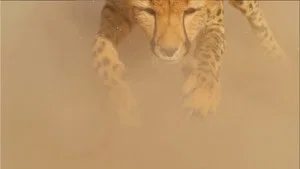
In Ruaha, Tanzania, lions form huge super prides in order to hunt giants. Amongst cats lions are unusual, the only one to live in groups. In numbers they find the strength and audacity to hunt the most formidable prey.

The secret lives of the worlds most mysterious cats are brought to light by advances in remote and low-light filming technology. In South Africa, we follow the nocturnal pursuits of the tiny black-footed cat that stakes its claim to the title of the world's deadliest, and in remotest Mongolia we reveal the rarely seen Pallas's cat, at home with her kittens - she hunts by looking like a rock. Finally, in South Africa, we uncover the secret of the serval that thrives amongst the futuristic landscape of Africa's biggest industrial complex. These are remarkable cats, with surprising lives in extraordinary places.
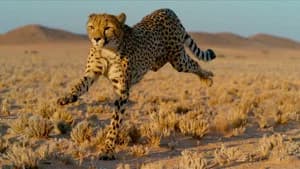
Scientists are studying cats in more detail than ever before, and what they are discovering is truly groundbreaking. Join the scientists in the field, testing new theories and challenging the conventional ideas about cats. New approaches and new technologies are allowing an intimate look at their previously hidden lives.

Narrator (voice)


Biologist and naturalist Dan O'Neill embarks on a groundbreaking mission to protect one of the world's most elusive creatures—the snow leopard. Set against the stunning backdrop of Kyrgyzstan's rugged mountains, this two-part adventure follows Dan as he works to build a new research center dedicated to studying these majestic cats.


Ronan Donovan, our expert guide and National Geographic photographer, takes the audience on an intimate exploration of the Arctic during the endless day of the summer months, giving insight to the unexpected abundance of the 'Garden of the Arctic' in Wolf Valley as he attempts to embed with a wolf family pack.

Geologist Iain Stewart explain in three stages of natural history the crucial interaction of our very planet's physiology and its unique wildlife. Biological evolution is largely driven bu adaptation to conditions such as climate, soil and irrigation, but biotopes were also shaped by wildlife changing earth's surface and climate significantly, even disregarding human activity.


