Loading titles…
Reality / Documentary
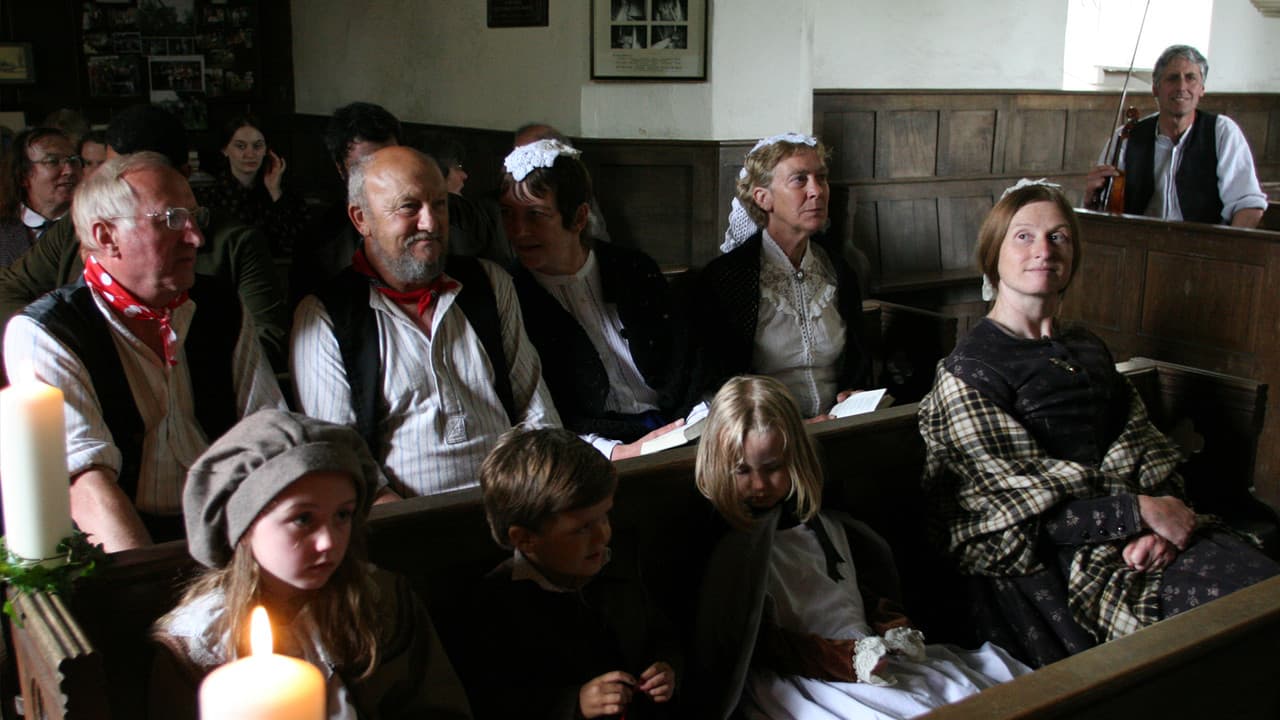
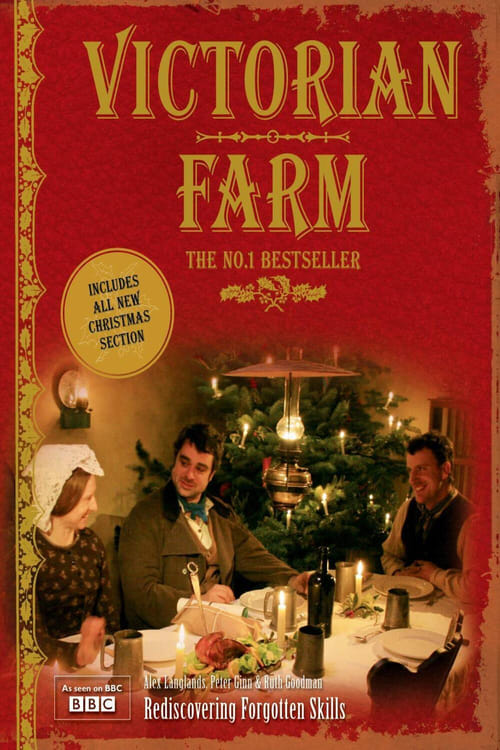
Victorian Farm Christmas looks into the lives of 19th century farmers and shows you how to make traditional gifts, food, games and decorations.
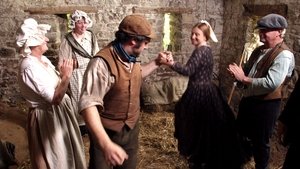
The Victorian farmers return to the Acton Scott estate in Shropshire to celebrate a traditional Victorian Christmas. There's an enormous amount of farm work to be done on the estate in the lead-up to the festive season, including the hay harvest, to make food for the animals over winter. Having been thwarted last time by rain, the team anxiously monitor the weather.
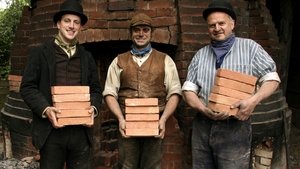
The Victorian farm team tackle their biggest project yet: restoring the village blacksmith's forge. First they must make bricks to restore the chimney - a full five day and night process in which the farmer gets no sleep.
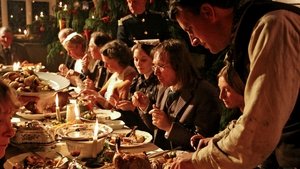
Christmas is coming to Acton Scott, but first there's a huge amount of preparation to do. Ruth Goodman and food historian Ivan Day try their hand at making a Christmas pudding using the same methods as Bob Cratchit's wife in A Christmas Carol.
Himself
Herself
Himself
Narrator
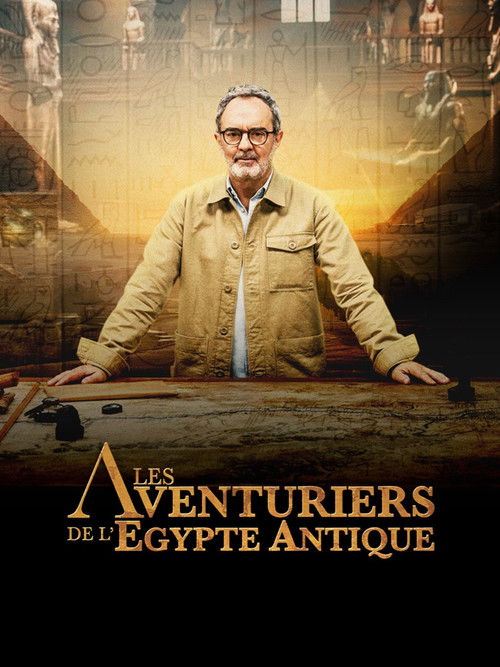
Tutankhamun, Ramses the Great, Cleopatra, Khufu…these legendary pharaohs built the wonders of Karnak, Luxor and the pyramids of Giza before their civilization faded into obscurity. But in 1798, Napoleon Bonaparte’s expedition to Egypt reopened the doors to a forgotten world and ignited a fascination with Ancient Egypt that continues to this day. Bold explorers, such as Jean-François Champollion and Giovanni Battista Belzoni, risked everything to unearth these wonders. Archaeology became a conquest, and Egypt’s heritage was plundered by tomb raiders - until Auguste Mariette laid the foundations of modern Egyptology. This immersive series reveals the splendor of the pharaohs and the feats of the explorers.
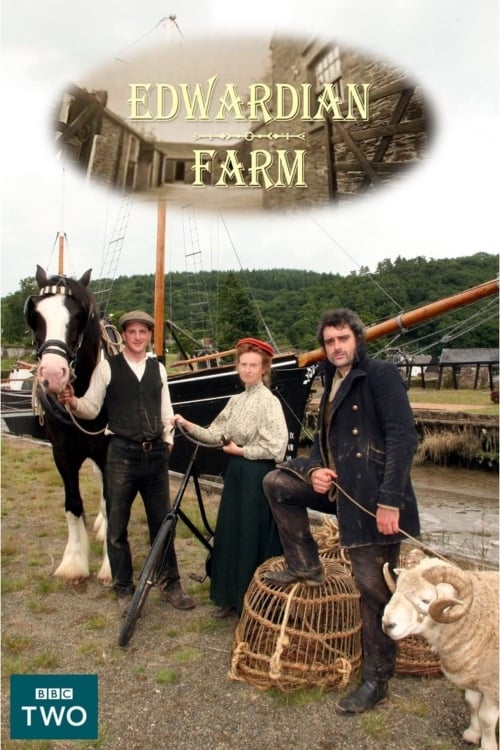
Edwardian Farm is an historical documentary TV series in twelve parts, first shown on BBC Two from November 2010 to January 2011. It depicts a group of historians trying to run a farm like it was done during the Edwardian era. It was made for the BBC by independent production company Lion Television and filmed at Morwellham Quay, an historic quay in Devon. The farming team was historian Ruth Goodman and archaeologists Alex Langlands and Peter Ginn. The series was devised and produced by David Upshal and directed by Stuart Elliott. The series is a development from two previous series Victorian Farm and Victorian Pharmacy which were among BBC Two's biggest hits of 2009 and 2010, garnering audiences of up to 3.8 million per episode. The series was followed by Wartime Farm in September 2012, featuring the same team but this time in Hampshire on Manor Farm, living a full calendar year as wartime farmers. An associated book by Goodman, Langlands, and Ginn, also titled Edwardian Farm, was published in 2010 by BBC Books. The series was also published on DVD, available in various regional formats.
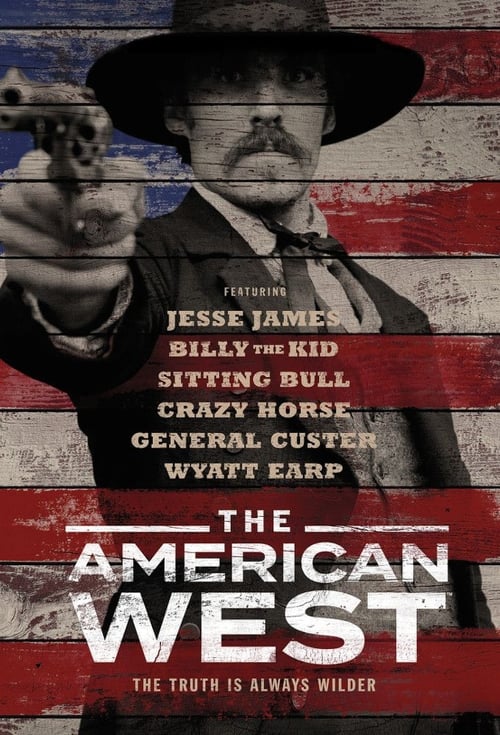
The story of the aftermath of the Civil War and how the United States transformed into the “land of opportunity" spanning the years 1865 to 1890. Transporting into the violent world of cowboys, Indians, outlaws and law men, the story chronicles the personal, little-known stories of Western legends such as Jesse James, Billy the Kid, Wyatt Earp, Crazy Horse and Sitting Bull.

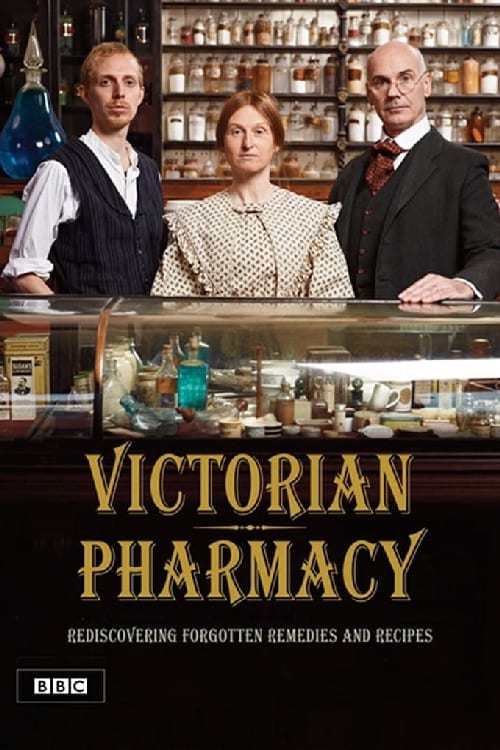
Victorian Pharmacy is a historical documentary TV series in four parts, first shown on BBC Two in July 2010. It was made for the BBC by independent production company Lion Television. It was filmed at Blists Hill Victorian Town in Shropshire. It is a historical documentary that looks at life in the 19th Century and how people attempted to cure common ailments. Since some of the ingredients of Victorian remedies are now either illegal or known to be dangerous, Nick Barber often uses his modern pharmaceutical knowledge to produce similar products without those ingredients. The other main presenters are Tom Quick, a PhD student, and Ruth Goodman, a domestic historian who also appeared in Tales from the Green Valley, Victorian Farm and Edwardian Farm.
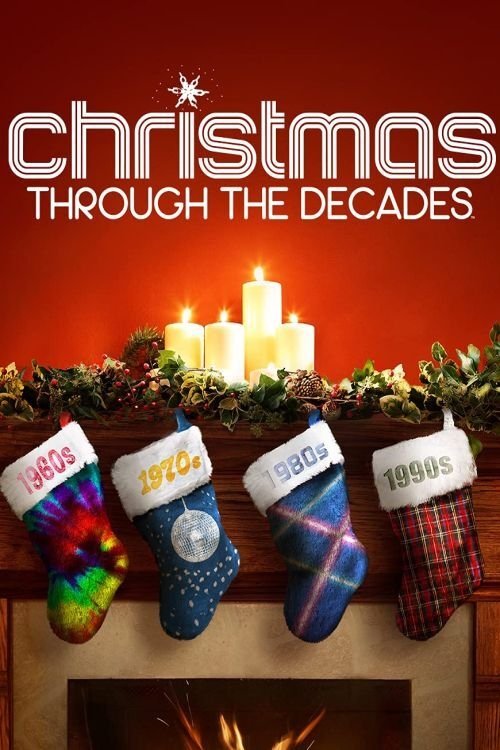
Take a trip back in time to see what Christmas and the holiday season were like in America not too long ago as we reveal how many of today’s popular holiday celebrations and traditions had their start in the 1960s, 70s, 80s and 90s. With experts and cultural icons offering their own insight and personal memories, we reveal how your favorite holiday films, fads, television specials, songs and toys are still part of your holiday celebrations today.