
Loading titles…
Reality
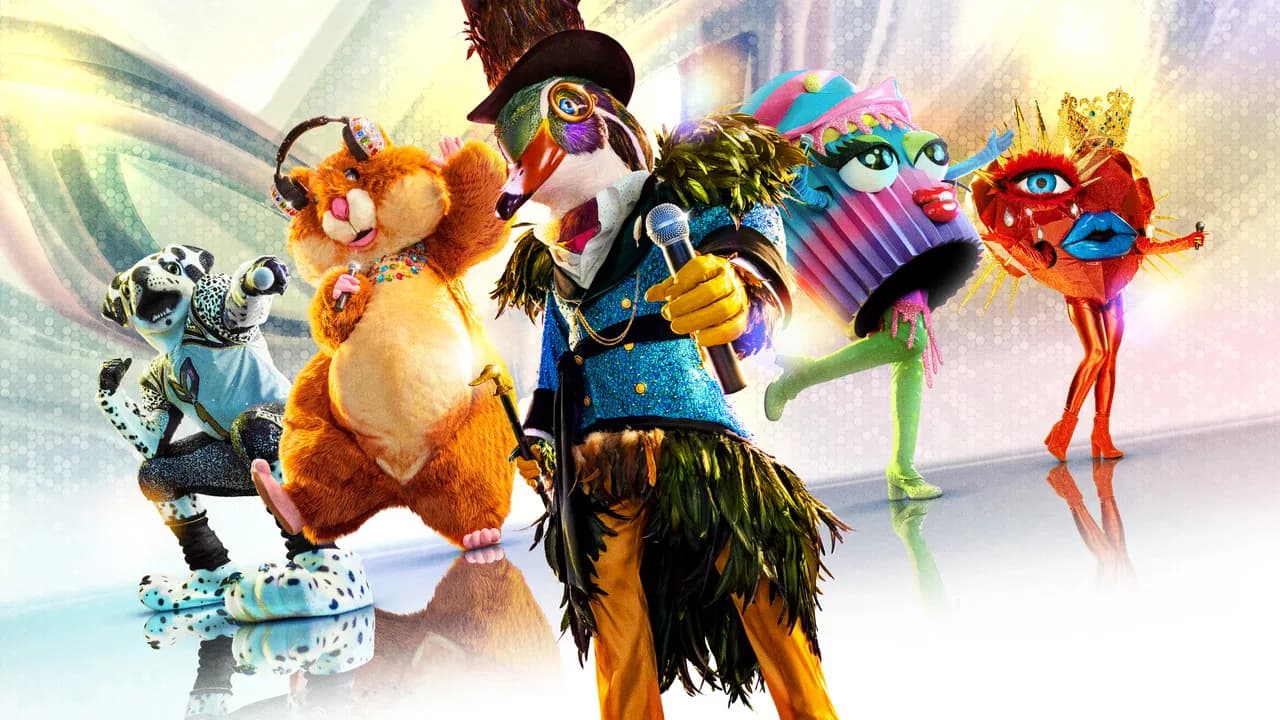
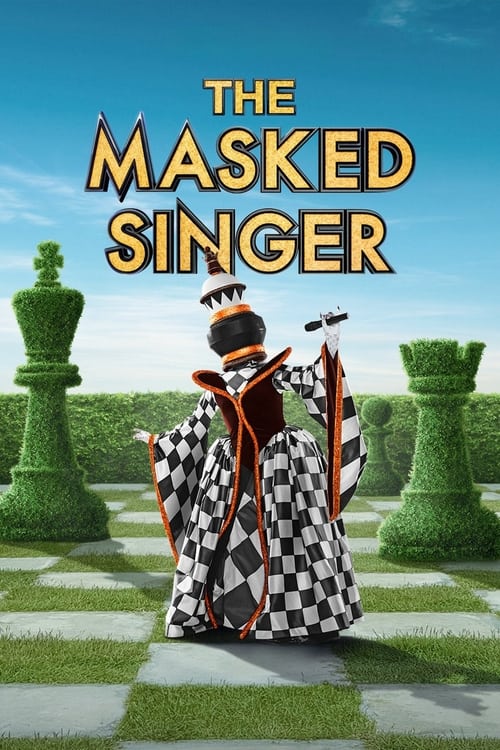
Celebrities compete in a singing competition with one major twist: each singer is shrouded from head to toe in an elaborate costume, complete with full face mask to conceal his or her identity. One singer will be eliminated each week, ultimately revealing his or her true…
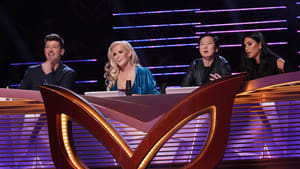
Six undercover celebrity singers don animal masks to conceal their identity as they perform before host Nick Cannon and panelists Ken Jeong, Jenny McCarthy, Nicole Scherzinger, and Robin Thicke, who try to guess the identity of the singer.

The 12 competing mystery celebrities have a collection of noteworthy accomplishments between them, such as earning over 60 Grammy nominations, 16 Emmy nominations, four Hollywood Walk of Fame stars, four Super Bowl titles and nine Broadway shows.
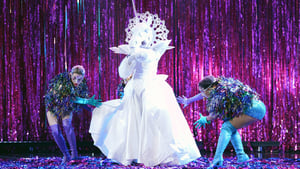
The undercover celebrity singers from the series premiere episode take the stage for their second performances. Joel McHale joins as a guest panelist.
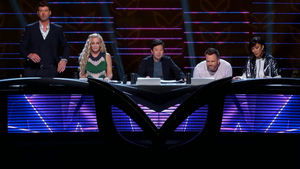
Guest panelist Joel McHale returns to help figure out who is behind the mask.
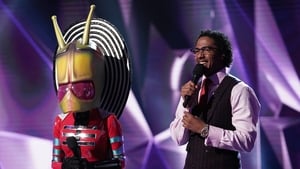
The first group of celebrity singers return to the stage to perform individually and as a group to keep themselves in the competition.
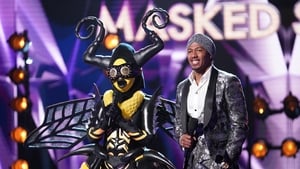
The remaining celebrity singers hit the stage to perform and keep themselves masked.
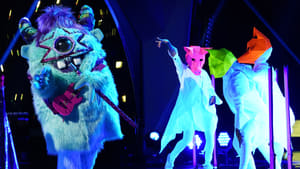
Actor-comic J.B. Smoove joins as a guest panelist before the remaining six celebrity singers come together for the first time to form one large group.
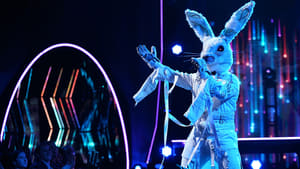
Only the top three singers are left after a double unmasking; actor Kenan Thompson serves as a guest panelist.

Before the winner is crowned at the finals, a look back at the best performances on The Masked Singer from season one.
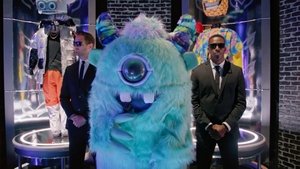
The three remaining finalists compete for the golden mask, and their identities are revealed; guest panelist Kenan Thompson.
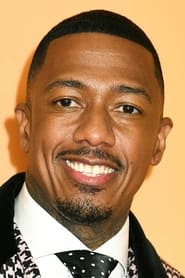
Self - Host
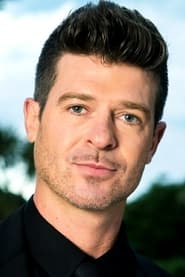
Self - Panelist
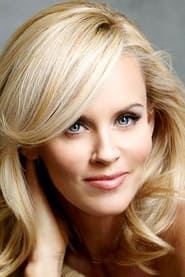
Self - Panelist
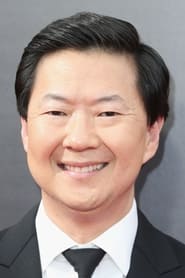
Self - Panelist

Self - Panelist
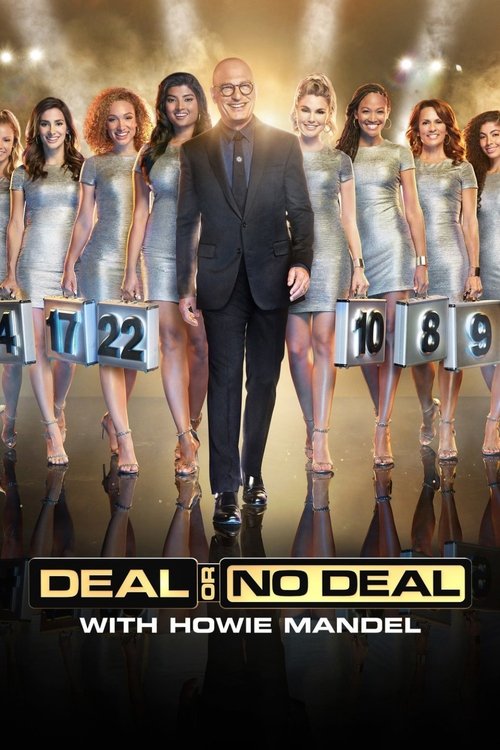
A contestant must choose from 26 sealed briefcases containing a marker for various amounts of cash from one penny to $1 million. The player then eliminates the remaining 25 cases one by one. The chosen ones are opened and the amount of money inside revealed. After several cases are opened, the player is tempted by the Banker to accept an offer of cash in exchange for not continuing the game and possibly winning a larger sum of money.

Password is an American television game show which was created by Bob Stewart for Goodson-Todman Productions. The host was Allen Ludden, who had previously been well known as the host of the G.E. College Bowl. Password originally aired for 1,555 daytime telecasts each weekday from October 2, 1961 to September 15, 1967 on CBS, along with weekly prime time airings from January 2, 1962 to September 9, 1965 and December 25, 1966 to May 22, 1967. An additional 1,099 daytime shows aired from April 5, 1971 to June 27, 1975 on ABC. The show's announcers were Jack Clark and Lee Vines on CBS and John Harlan on ABC. Two revivals later aired on NBC from 1979–1982 and 1984–1989, followed by a prime time version on CBS from 2008–2009. In 2013, TV Guide ranked it #8 in its list of the 60 greatest game shows ever.

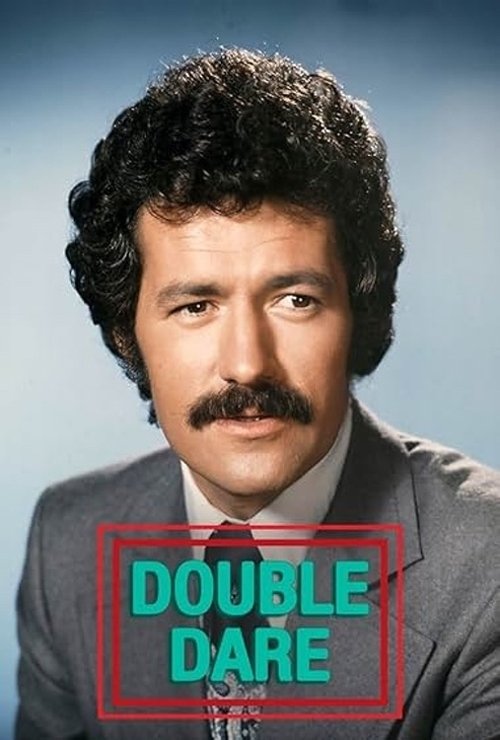
Double Dare is an American television game show, produced by Mark Goodson—Bill Todman Productions, that ran from 1976 to 1977 on CBS. Alex Trebek was the host, with Johnny Olson and later Gene Wood announcing. The show was created by Jay Wolpert. Double Dare was Alex Trebek's only CBS game show, with all others originally airing either on NBC, in syndication, or in Canada; he also only hosted one show for ABC—Super Jeopardy!, which aired for thirteen weeks in 1990.
Unanimous was a United Kingdom-based game show broadcast on Channel 4 from 27 October 2006 to 15 December 2006. It was based on an American game show titled Unan1mous. Unanimous: The Fallout, was shown on E4 later at night after Unanimous. It was hosted by comedians Paddy McGuinness and Olivia Lee and featured regular guest Karl Daly, played by Tom Bennett. The 'Host' of the show was Alex Humes. Although fairly unknown, Humes starred in the reality TV programme Space Cadets, also for Channel 4, where he played one of the Russian pilots. The voice-over for the programme was provided by Phil Gallagher. The show was not live but was recorded many weeks before airing. Contestants were not informed of the rules or objectives of the game before it started - only that they were going to be playing in a game show with a substantial prize fund, and they would be filmed non-stop in an enclosed environment.
Final Offer is essentially a game show played without a studio audience present. In the hourlong series the "contestants" are sellers of antiques and rare collectibles who get an equally rare opportunity to haggle with four professional dealers -- Jacob Chait, Patrick Painter, Billy Roland and Jordan Tabach-Bank -- eager to outbid one another for the items. One on one, and in the order they choose, the sellers negotiate with the dealers, but there's a catch: Once a seller passes on an offer, there's no turning back. He or she begins the process again with the next buyer in line, hoping the bid they receive is at least as high as the one they just turned down. Let the high-stakes game, in which the highest bidder doesn't always win, begin.
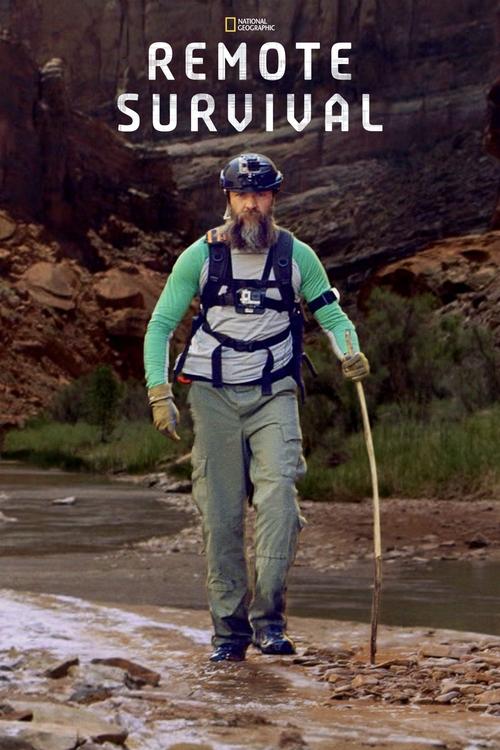
Plucked from civilization and thrust into isolation, two remote survivors are forced to do whatever it takes to endure some of earth’s most dangerous terrains. Equipped with radio receivers, our Remote Survivors must decide between trusting their own instincts, and following the unknown voice inside their head. Those voices belong to two survivalists, Alex Coker and Cliff Hodges, who have been given the task of keeping our contestants alive. Coker, a former United States Army infantry, airborne, air assault scout sniper, and former CIA special protective agent, will push his survivor to the limits and see if they can live up to the natural challenges that Mother Nature provides. Hodges, the owner of an outdoor school and guide service that specializes in primitive wilderness survival skills, will coach his survivor to overcome all obstacles that stand in his way. T