Loading titles…
Documentary
An immersive, action-packed and discovery-led series following International teams of Egyptologists as they unearth the world's richest seam of ancient archaeology - Egypt's Valley of the Kings.
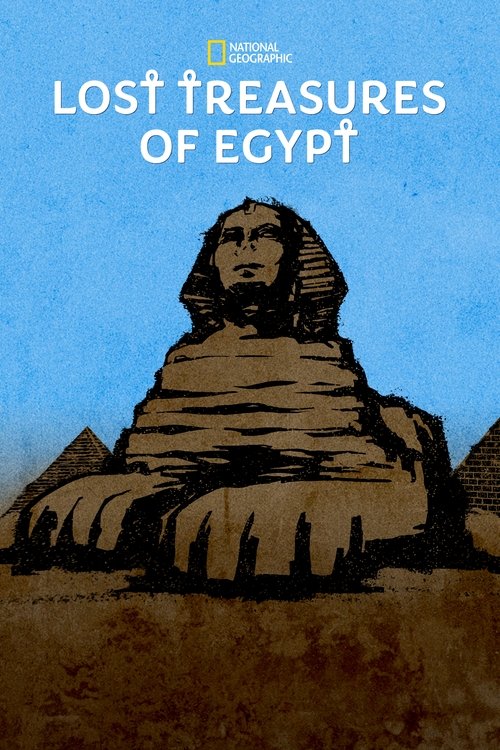
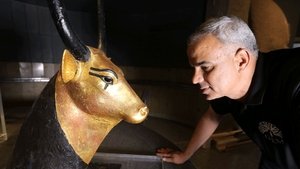
New technology reveals why Tutankhamun’s tomb remained hidden in the Valley of the Kings, Tut’s treasures take a once-in-a-lifetime journey and archaeologists open a 4,000-year-old tomb.
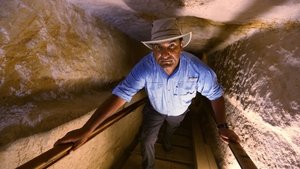
We reveal lost tombs of the pyramids, hidden burial chambers and a hunt for human remains.
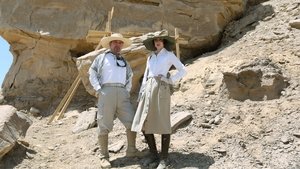
Archaeologists hunt for the lost tomb of Cleopatra. One team dives the sunken city of Alexandria and an explorer unearths a secret underground tunnel.
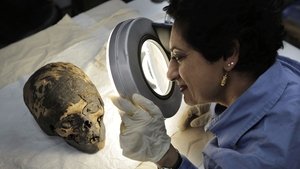
Nearby in Deir el Bahari, Archaeologist Antonio Morales and his team are investigating how ancient tomb builders cleverly designed their tombs to try to evade would-be thieves.
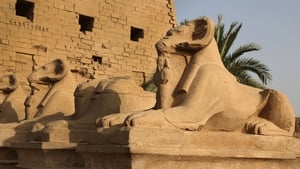
Archaeologists investigate Hatshepsut, one of the greatest female pharaohs in history; a discovery inside one of Hatshepsut's quarries sparks an investigation which leads to the temple of Karnak; an archaeologist excavates mummy parts.
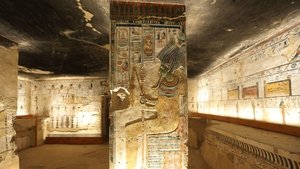
Archaeologists decode the afterlife's secrets in an elaborate tomb and unearth a rare burial chamber revealing evidence of grave robbing.

Self - Narrator (voice)
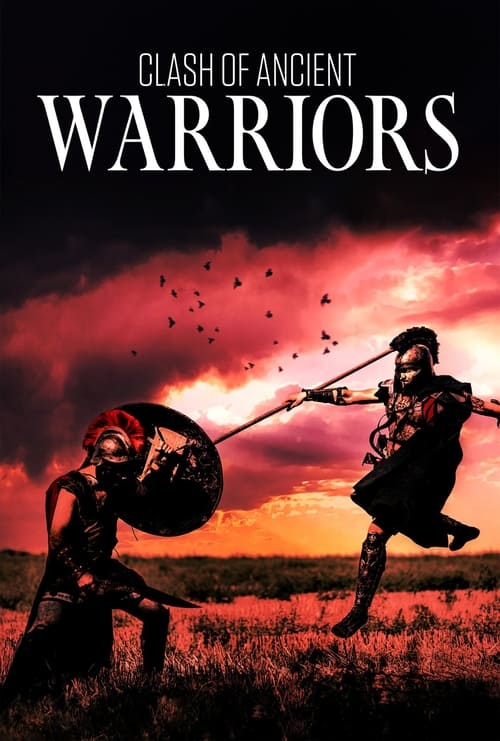
Clash of Ancient Warriors is a series that uses modern science to investigate the mysteries of the most legendary battles from ancient times. Spartans vs Persians in the battle of Thermoplyae, Hannibal vs Rome in the battle of Cannae, The Knights Templar vs Saladdin’s riders at Mongisard, Greeks vs Trojans in the siege of Troy...Military genius and epic battles have led the greatest civilisations to the pinnacle of glory...or the brink of collapse. Join scientists as they hunt for the hidden clues and traces of titanic clashes that could unlock the truth about how one army triumphed and changed the course of history. Unfolding s a countdown to annihilation, each episode builds on the scientist’s investigation to retrace, hour by hour, the dramatic chain of events that ultimately led one side to a bloody victory.
This gripping documentary miniseries investigates the mystery of two 1300-year-old burial ships from the Viking Age. With dramatic reconstructions and unearthed evidence, follow key archaeologists as they investigate the remains, and reveal how they fundamentally alter our understanding of Viking Europe.
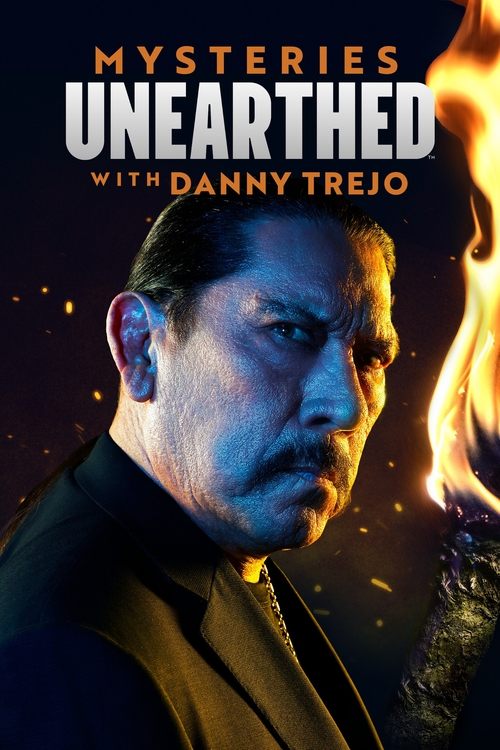
From dangerous explosives and deadly curses that put everyday people at risk, to treasures found in the unlikeliest of ways, each episode digs into the people, the places and historical significance of these discoveries. And sometimes just being in the right place at the right time can make history…because nothing stays hidden forever.
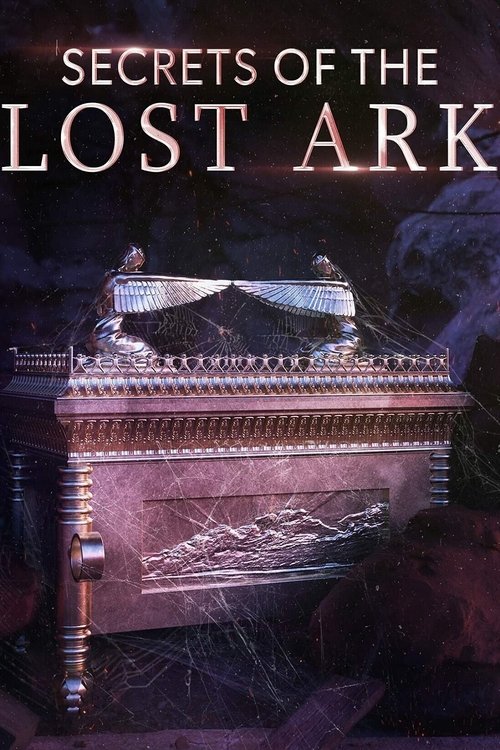
For centuries, explorers have searched for the Bible’s most sacred religious artefacts. One of the most mysterious of these objects is the famed Ark of the Covenant. The gold-plated wooden chest – one of the most instrumental symbols of faith and God's presence – was believed to house the two tablets bearing the Ten Commandments. The Ark’s exact whereabouts has long puzzled scholars. Where did it go? And why has it remained such a mystery?

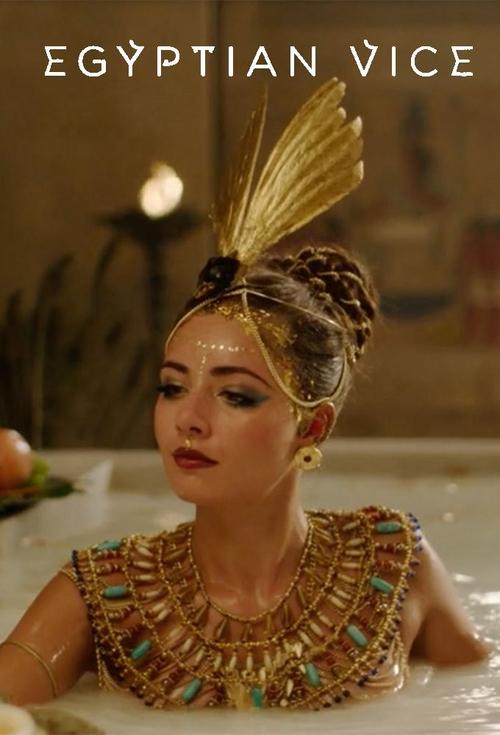
Throughout human history, there have been sinister desires driven by animalistic lust, and the Ancient Egyptians were no different. From Rameses II, who bent the truth and made himself a god on the earth, to Cleopatra, who engaged in incest and used her sex appeal as a weapon, this History Channel movie explores the dark side of one of the greatest empires in history.
In four chapters, largely based on and illustrated with archaeological finds and sites, Neil Oliver explains how, as far as is known, the Iron Age Celtic tribes known as the Ancient Britains evolved and entered European civilization. Their internecine tribal phase was warlike and partitioned. Overseas contacts, especially metal trade, brought wealth and progress. Ultimately, it attracted the superior Roman empire, which would conquer and pacify Britain into a province, like Gaul shortly before, but Caesar's invasion wasn't the definitive annexation yet, that was left to emperor Claudius; even afterward some Celtic traits and even rebellions remained.