Loading titles…
Documentary
Kings and Princes built their palaces and summer residences in the most beautiful and strategically located spots. We will introduce who walk the tightrope between tradition and modern-day reality by living and working in castles, châteaux and palaces or in their immediate…

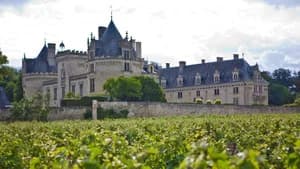
The former hunting lodge of Beauregard houses an astonishing portrait gallery. Straddling the river Cher, Chenonceau is also known as the "Castle of Ladies", in reference to its successive female residents - Diane de Poitiers and Catherine de Médicis. The Garden of Love and Garden of Music enchant visitors at Villandry. And finally, Brézé houses Europe's largest underground fortress.
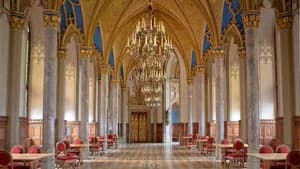
Our journey starts with Hohenzollern Castle, the cradle of the last Prussian reigning family and a symbol of their power: an eagle's nest, perched on a green peak. After a trip to a snail farm, a culinary speciality of Swabia, we discover Ludwigsburg Castle, a small pleasure pavilion that gradually became one of Europe's largest baroque residences.
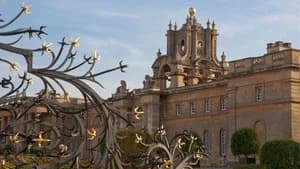
On the Isle of Wight, the baroque ruins of Appuldurcrombe House, bombed during World War 2, are famous for their ghosts. Over on the mainland, Blenheim Palace has gone down in history for more orthodox reasons: a gift from Queen Anne to the Duke of Marlborough in the 18th century, this building, which is imbued with history, is the birthplace of Sir Winston Churchill.
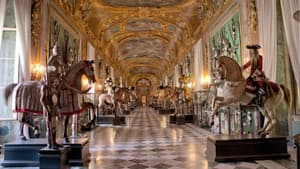
From the 16th to the 18th centuries, the Dukes of Savoy surrounded Turin with a "crown" of residencies. The Palazzo Reale, today houses ceremonial swords and weapons, while the shroud of Turin is kept in the adjoining cathedral of Saint John the Baptist. The Reggia di Venaria, which was formerly a barracks during Bonaparte's conquest of Italy, has been renovated, narrowly escaping ruin.
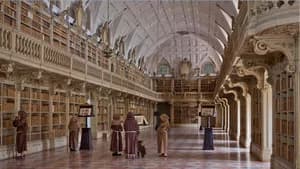
The Palacio da Pena dominates Lisbon and the Atlantic coast with its eclectic Moorish- and Rococo-influenced architecture. The library, inside the Palacio Nacional de Mafra, contains over 4,000 works. The red façade of the Palace of the Marquis of Fronteira, which survived the earthquake that destroyed Lisbon in 1755, conceals splendid azulejos, tile panels painted in shades of blue.

Cast


Driven was a motoring television programme launched by Channel 4 in 1998 as a rival to the successful and long-running BBC series Top Gear. The style was similar to its rival, but with additional features such as the "Driven 100", a road test of three cars in the same class, where each car would be given marks for qualities such as practicality, desirability and cost of ownership. The car with the highest total score would be the winner. The programme launched with the concept that the presenters should interact with each other rather than present items on their own, as was then the case on Top Gear. The first series also featured a "headquarters", a racing team truck, set on a former air force base at which cars were put through their paces. These concepts resurfaced in the reborn Top Gear soon after.


The preeminent pop culture series that goes behind the myths, icons, heroes and artists that make comic books box office hits. Takes a stylized look at comics through themes like Death and Resurrection, Villains, Heroes, Social Relevance, Politics, Gender and Relationships. Features interviews with a who’s who of comic book legends – including Stan Lee, Frank Miller, Todd McFarlane & other famous comic book artists.