
Loading titles…
Documentary
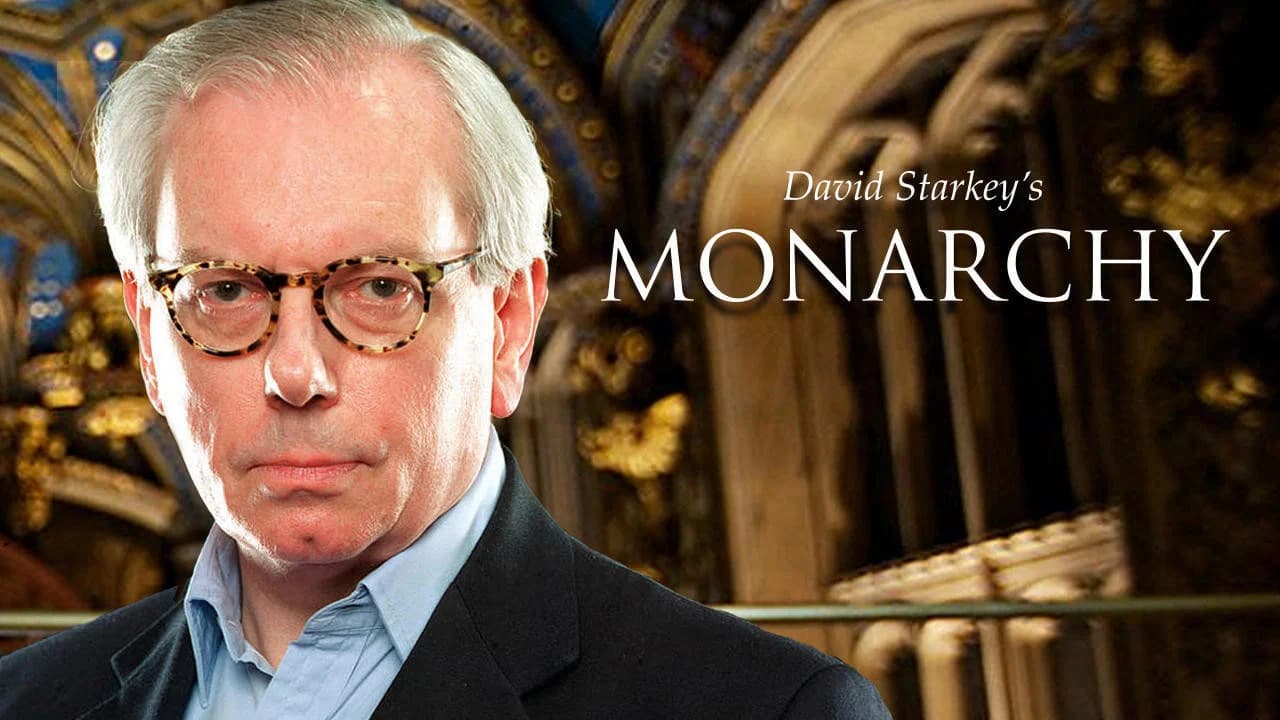
Monarchy is a Channel 4 British TV series, 2004-2006, by British academic David Starkey, charting the political and ideological history of the English monarchy from the Saxon period to modern times. The show also aired on PBS stations throughout the United States, courtesy of…
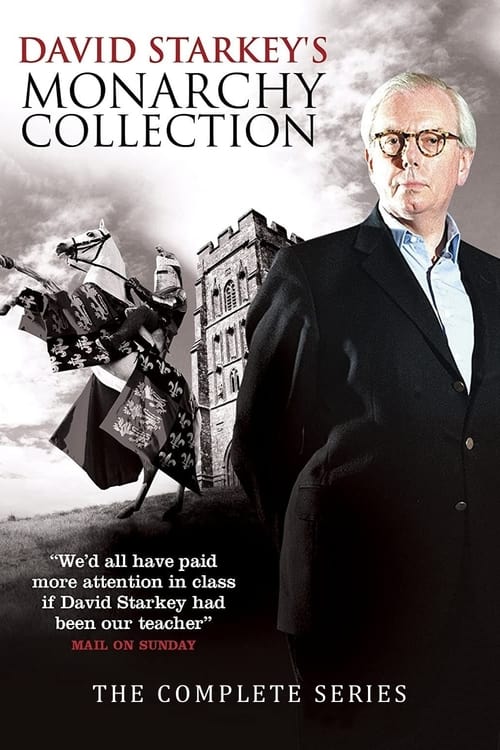
In episode one, Dr Starkey begins his history of the British monarchy in the violence and chaos of the dark ages. There, from a legendary world occupied by dragons and monsters, a uniquely English idea of monarchy, which was able to stand firm in the face of the Viking invasions, emerged. In this first of the six episode series, Starkey tells the dramatic story of the creation of England and the triumph of an English hero, Alfred the Great.
In episode two of Monarchy Dr. Starkey chronicles the stormy path of the Anglo-Saxon kingdom of England, the world's first nation state. He tells how, assailed by blitzkrieg from the Danes of King Canute, it survived to take its captor captive; and how, driven by civil strife, it nonetheless restored itself to power until through a historic misfortune, it fell in the end to the knights of William the Conqueror.
From the devastation of the initial Norman conquest, through the intrigues and murder of King William II, to the civil war in the reign of King Stephen, 'when God and his angels slept', Dr Starkey illuminates the experience of a turbulent time which changed the course of English history.
In this stirring program, Dr David Starkey profiles a mediaeval superstar, King Henry II of England, whose dominion stretched from the moors of Scotland to the foothills of the Pyrenees, including more than half of modern France. And he tells some of the most dramatic and significant stories of English history: the bitter tale of King Henry's conflict with Archbishop Thomas Becket, which ended in Becket's murder; the struggle for the nation's liberties in Magna Carta; and the beginnings of the modern parliamentary system.
In this episode Dr. Starkey explores a century which saw three Edwards reign: father, son and grandson. Edward I took the image and might of the English monarchy to new heights. He was the new Caesar; a man who would unite England, Wales and Scotland into one kingdom. All his achievements almost came to nothing during his son's disastrous reign which ended in abdication and murder. It would take the third Edward to rebuild the prestige of the English monarch. With his victory against the French at Crecy, Edward III made England great again, but also plunged her into a war with France, which would last one hundred years.
In this final episode, Dr. Starkey takes up the story of Shakespeare's kings: Richard II, Henry IV, Henry V and Henry VI. It starts with the usurpation and murder of Richard II and ends in a bloody civil war in which the English royal house tears itself apart. The last medieval kings see the institution of the monarchy reach a crisis point in which its future seems far from certain.
Cast
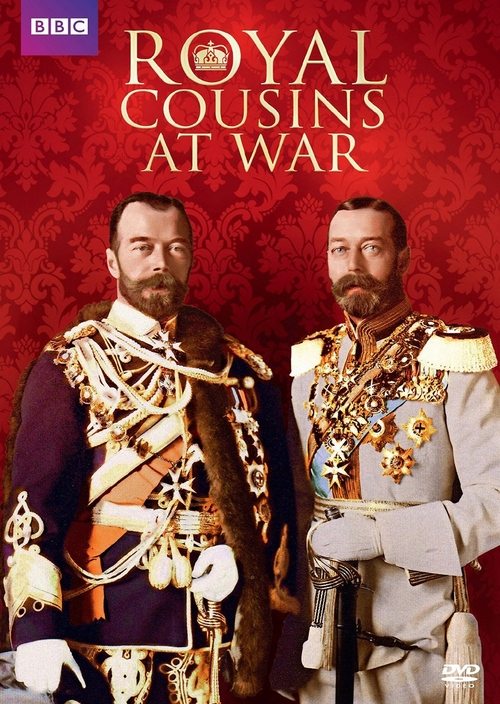
At the time World War I broke out, the King of England, the Czar of Russia, and the Kaiser of Germany were first cousins. This two-part series looks at the role played by Tsar Nicholas II of Russia, Kaiser Wilhelm II of Germany and King George V of England, and their relationships with each other, in the outbreak of war. Mismanaging their countries and mishandling foreign policy, they failed to adapt to the forces of nationalism and democracy, and so brought tumbling down their own ideal of a Europe governed by the descendants of Queen Victoria. While it was war that delivered the final blow, this fascinating series shows how the problems had set in much earlier. A two part miniseries.
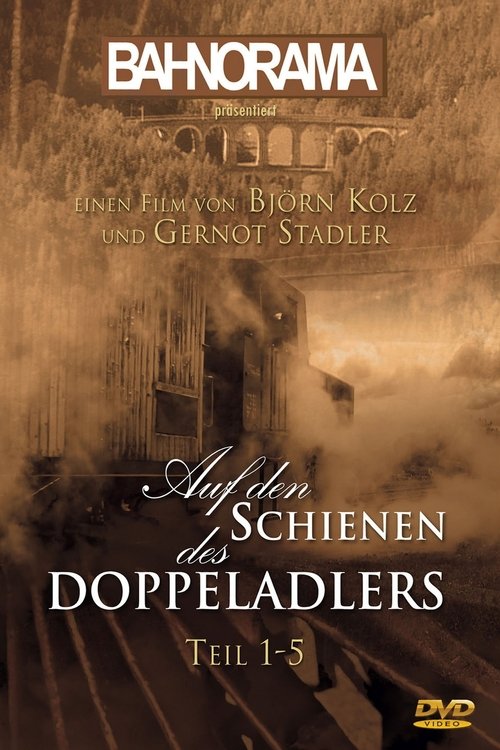
The railway age in the Austrian Empire began with the construction of the horse-drawn railway from Linz to Budweis. Plans soon followed to connect the imperial capital of Vienna with the iron and coal deposits in northern Moravia and with the port city of Trieste. In 1837 the Kaiser Ferdinands Nordbahn was opened, in 1857 the Semmeringbahn planned by Karl Ritter von Ghega, overcoming one of the most difficult obstacles on the way to the Adriatic. The crossing of the Alps by train, such as over the Arlberg or the Brenner, is still considered a unique engineering masterpiece. The expansion of the railway network brought epochal changes. Goods and people circulated on an unprecedented scale – life accelerated. It had succeeded in connecting the northern crown lands such as Silesia or Bohemia and Moravia with Carinthia, Tyrol or the coastal region.
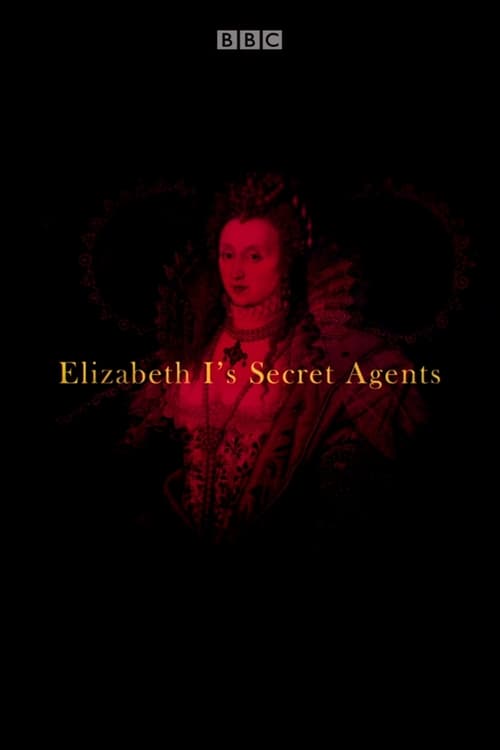
This three-part series uncovers the network of spymasters and secret agents that helped protect Queen Elizabeth I from assassination, terror and treason for over 40 years. During a period when Britain was divided, unstable and violent, one of the world’s first secret services was born. Run by William and Robert Cecil, this father and son team had the duty of protecting the Queen and the Country. This series asks leading historians to each study the period from a different key player’s point of view, dissecting the minds and motivations of the protagonists, to reveal a covert spy network - and present a picture of the Elizabethan Court as it really was. This series takes us through the biggest events of the period, from the entrapment and execution of Mary Queen of Scots to the death of Queen Elizabeth I, the capture and escape of Catholic fugitive John Gerard and the most infamous terrorist conspiracy in British history - the Gunpowder Plot.