Loading titles…
Comedy
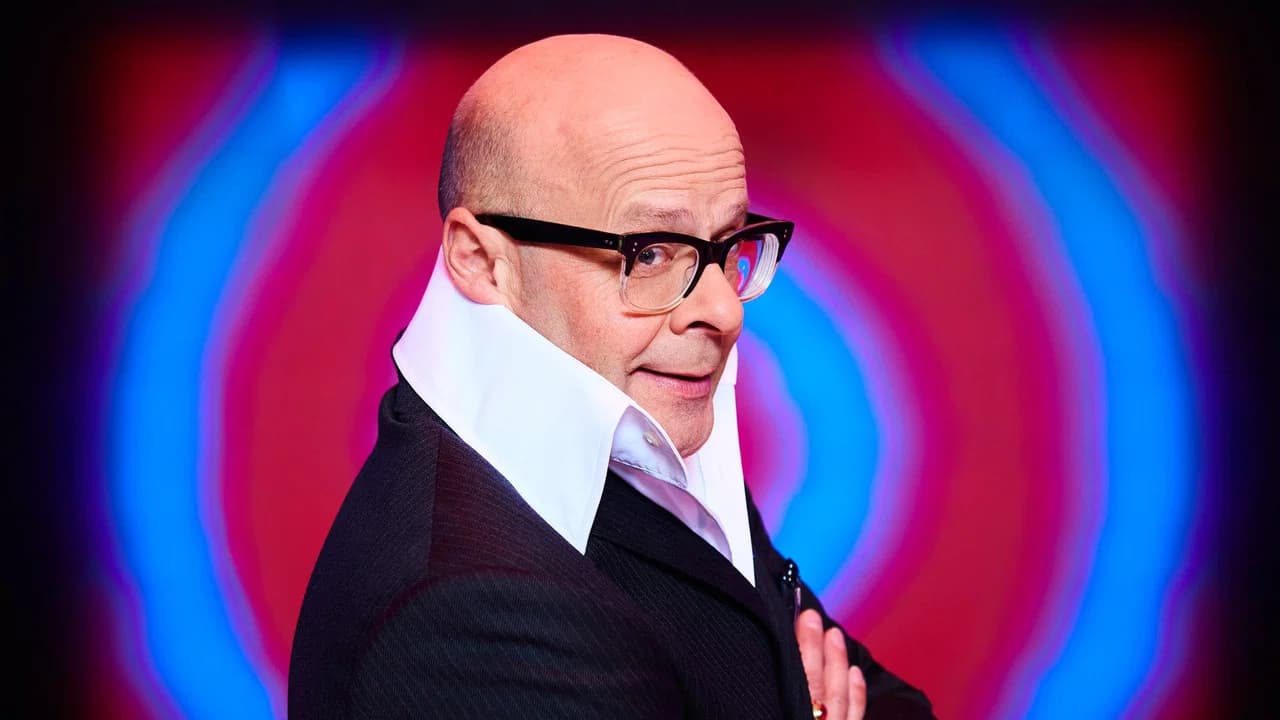
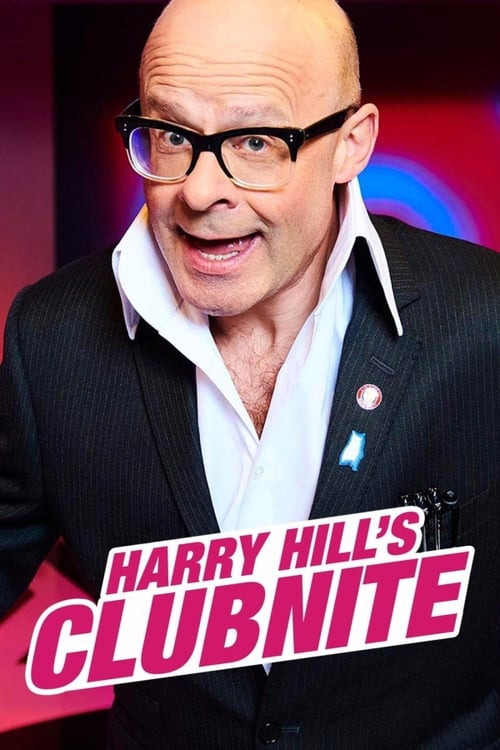
Harry Hill's Clubnite will see Harry Hill acting as both host and curator of his very own authored late night comedy show. Featuring a host of Harry's favourite comedians and acts, each episode will be recorded during the week of transmission, in front of an audience.
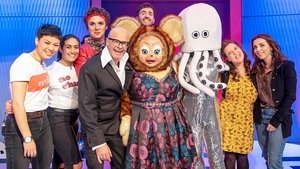
Guests in this first edition include Bridget Christie, Spencer Jones, Rosie Jones, EGG and Anna Mann.
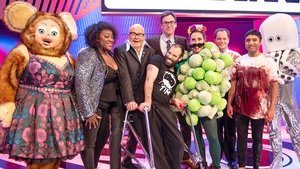
Harry is joined by more of his favourite funny people: Nick Mohammed, Judi Love, Tim Renkow, Lucy Pearman and Mat Ewins
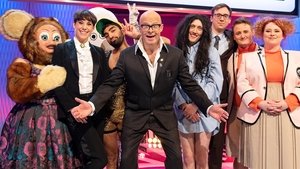
Harry's top comic acts in this episode are Suzi Ruffell, The Delightful Sausage, Mawaan Rizwan, Phil Dunning and Mat Ewins
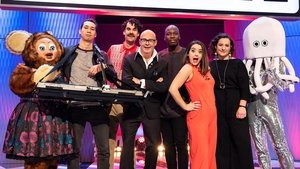
Harry Hill introduces more of his favourite funny people: Holly Burn, Huge Davies, Jessica Fostekew, Eddie Kadi and Paul F Taylor
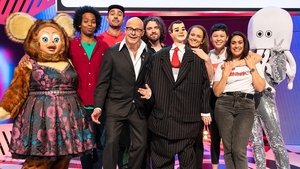
Harry Hill introduces more of his favourite funny people: Alfie Brown, Zoë Coombs Marr, Jamie Demetriou, Mo Omar and Egg
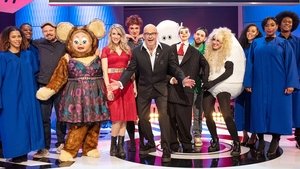
Harry Hill introduces more of his favourite funny people: Colin Hoult as Anna Mann, Rachel Parris, Lucy Pearman, Joe Jacobs and James Gill
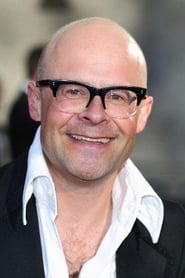
Himself - Host
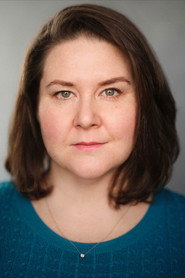
Ensemble Actor
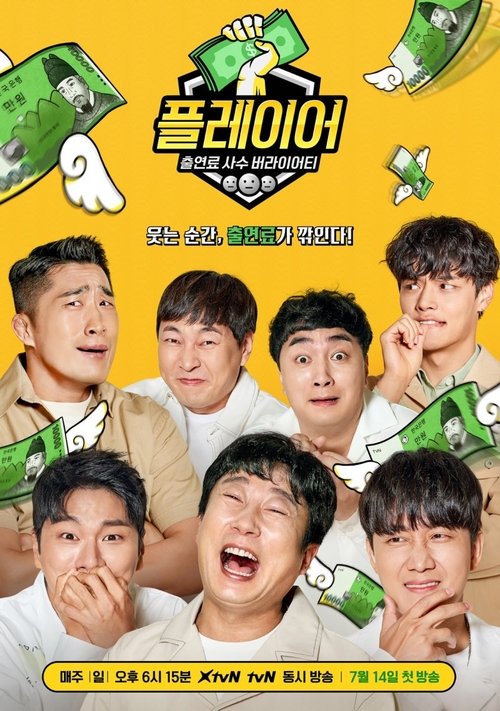
There will be different scenarios for the cast members to go through, but there is a rule that they have to follow without fail: they are not allowed to laugh throughout. For every time a cast member laughs, ₩10,000 will be deducted instantly from his appearance fee, and get wet from his head by water coming out from the water backpack that each cast member will carry throughout. At the end of each scenario, the cast member with the least amount of money deducted will have his appearance fee paid in full.

The Amanda Show is an American live action sketch comedy and variety show that aired on Nickelodeon from October 16, 1999 to September 21, 2002. It starred Amanda Bynes, Drake Bell, and Nancy Sullivan, along with several performing artists who came and left at different points, such as John Kassir, Raquel Lee, and Josh Peck. The show was a spin-off from All That, in which Bynes had co-starred for several years. The show was unexpectedly cancelled at the end of 2002, according to creator Dan Schneider's blog. Writers for the show included John Hoberg, Steven Molaro, Andrew Hill Newman, and Dan Schneider. Two years after the end of The Amanda Show, Dan Schneider created a new series, called Drake & Josh, featuring Drake Bell, Josh Peck and Nancy Sullivan.
Texaco Star Theater is an American comedy-variety show, broadcast on radio from 1938 to 1949 and telecast from 1948 to 1956. It was one of the first successful examples of American television broadcasting, remembered as the show that gave Milton Berle the nickname "Mr. Television". The classic 1940–44 version of the program, hosted by radio's Fred Allen, was followed by a radio series on ABC in the spring of 1948. When Texaco first took it to television on NBC on June 8, 1948, the show had a huge cultural impact.

The Tracey Ullman Show is an American television variety show, hosted by British-born actress and onetime pop singer Tracey Ullman. It debuted on April 5, 1987 as the Fox network's second primetime series after Married... with Children (1987–1997), and ran until May 26, 1990. The show is produced by Gracie Films and 20th Century Fox Television. The show blended sketch comedy shorts with many musical numbers, featuring choreography by Paula Abdul. The show also produced The Simpsons shorts before it spun off into its own show, which was also produced by Gracie Films and 20th Century Fox Television.

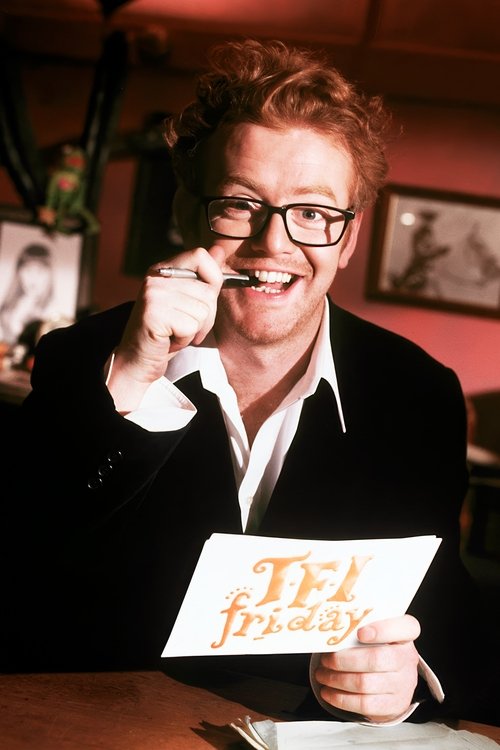
TFI Friday was an entertainment show broadcast on Channel 4 in the United Kingdom from 1996 to 2000. The show was produced by Ginger Productions, written by Danny Baker and hosted by Chris Evans, for the first 5 series. The final series was hosted by a number of guest presenters. It was broadcast on Fridays at 6pm from 9 February 1996 to 22 December 2000, with a repeat later that night. The title officially stood for "Thank Four It's Friday", but was widely understood to mean "Thank Fuck It's Friday" and was a reference to the popular phrase "Thank God it's Friday". The show's theme tune was Ron Grainer's theme from Man in a Suitcase, in keeping with Evans's frequent use of 1960s television themes in his work.