



Loading titles…
Documentary
Sir David Attenborough looks at the natural history of the Antarctic continent

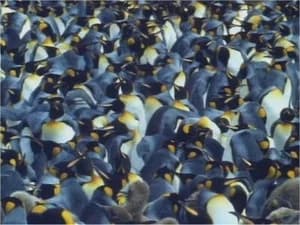
With winter temperatures of minus 70 degrees centigrade and winds of 100mph, only a few hundred people live in this inhospitable continent that is one and a half times the size of Europe. The wildlife, however, is abundant - millions of penguins, thousands of whales and half the world's seals somehow survive hardest conditions on the planet.
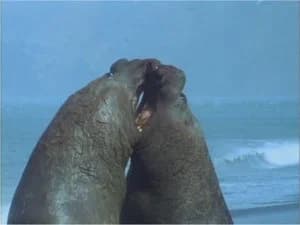
In the spring, the thaw begins and animals like the humpback whale and the crabeater seal follow the retreating ice.
It's summer in Antarctica, and with 24-hour daylight the race to breed is on as two million fur seals crowd the beaches of South Georgia. When the pups are born, ferocious bulls attack any intruders who challenge their females. Meanwhile, Chinstrap penguins cross glacial streams and climb near vertical cliffs to feed their chicks as formidable leopard seals lurk.
Autumn has stirred up harsh seas which batter the islands of Antarctica, leaving penguins to struggle ashore to feed their young. Amid the wildness of the landscape, leopard seals pounce at unsuspecting fledglings, fur seal pups take their first swim, and young wandering albatrosses rehearse their amazing courtship dance.

During the Antarctic winter, conditions are so extreme that most animal life deserts the region. The few exceptions include emperor penguins, which huddle together as storms rage, and Weddell seals, which maintain holes in the ice for access to an underwater world in which fish survive by having natural antifreeze in their blood.
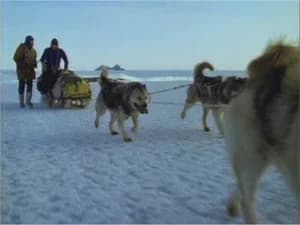
David Attenborough's natural history of Antarctica focuses on man's struggle to survive in this frozen world. From Captain Scott's old hut, he describes the race to be the first to the South Pole, and he reveals how today scientists and support staff manage to live at the Pole all year round, despite temperatures of minus 70 degrees Celsius and weeks of total darkness.

Self - Presenter


Biologist and naturalist Dan O'Neill embarks on a groundbreaking mission to protect one of the world's most elusive creatures—the snow leopard. Set against the stunning backdrop of Kyrgyzstan's rugged mountains, this two-part adventure follows Dan as he works to build a new research center dedicated to studying these majestic cats.

Sky One introduces the start of a new ongoing documentary series that highlights the potential extinction of some of the world's most famous species. Working with Tiger Aspect Productions, the series follows a team of experts assisted by a wellknown personality. Each documentary will highlight the plight of the world's most endangered animals including the tigers of India, Aye-Ayes and Gorillas. Presenters include Sanjeev Bhaskar, Bill Bailey, Miranda Richardson and Joe Simpson. Each of the presenters will draw on the expertise of local teams campaigning to save the endangered species and work with conservationists to develop and implement strategies to help in their fight for survival.


Ronan Donovan, our expert guide and National Geographic photographer, takes the audience on an intimate exploration of the Arctic during the endless day of the summer months, giving insight to the unexpected abundance of the 'Garden of the Arctic' in Wolf Valley as he attempts to embed with a wolf family pack.

Geologist Iain Stewart explain in three stages of natural history the crucial interaction of our very planet's physiology and its unique wildlife. Biological evolution is largely driven bu adaptation to conditions such as climate, soil and irrigation, but biotopes were also shaped by wildlife changing earth's surface and climate significantly, even disregarding human activity.


