Loading titles…
Drama
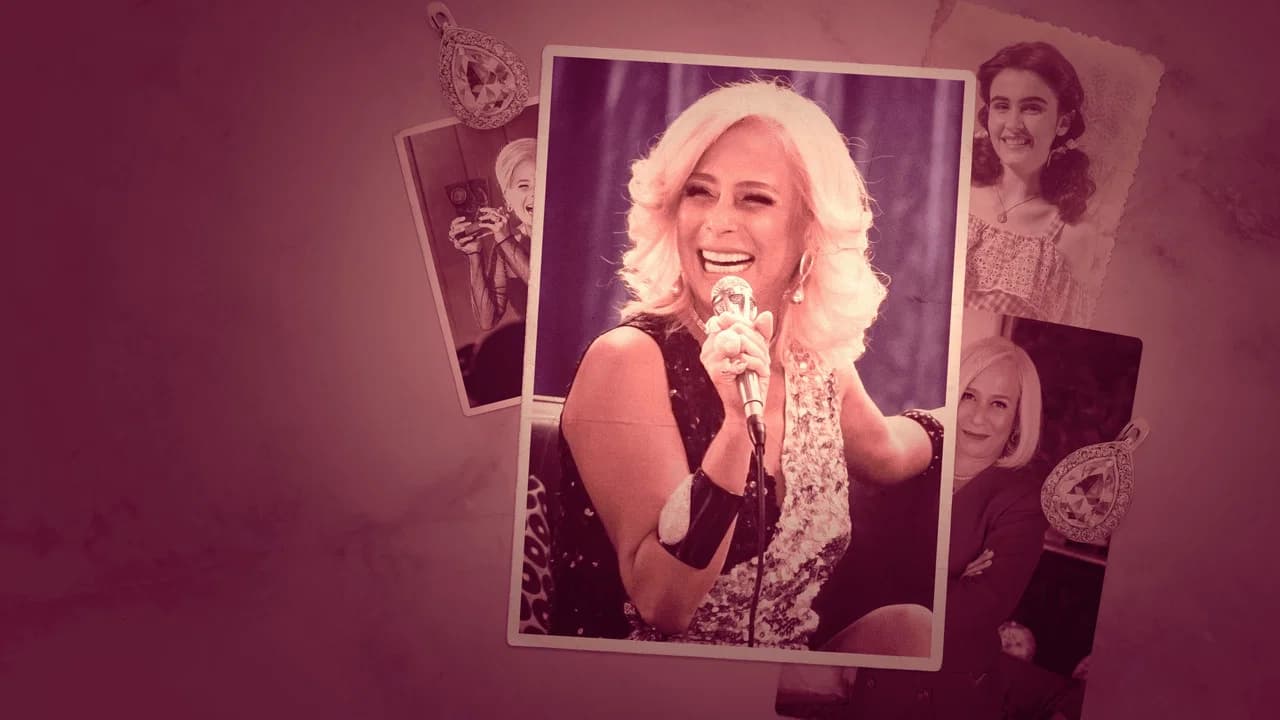
Between comings and goings in time, over 8 decades, the story of a poor country girl who fulfills the dream of becoming a great star, always in search of her truth.
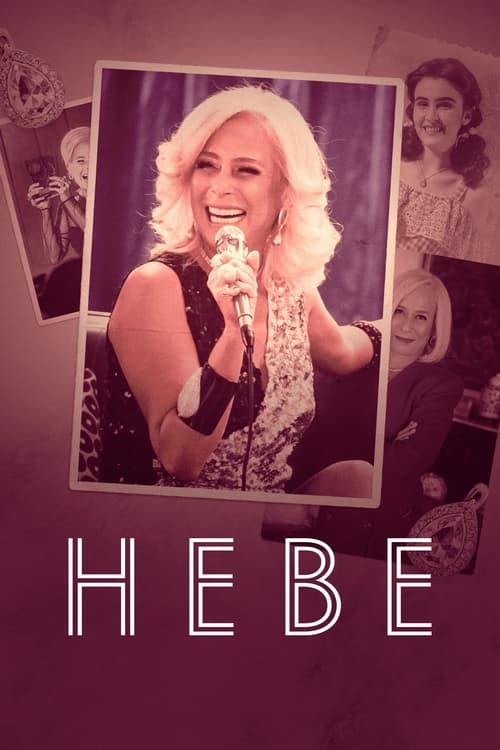
In 1985, Hebe is a presenter at TV Bandeirantes. Possessing a vision ahead of her time, she must contend with government censorship regarding the acts she brings to the stage.
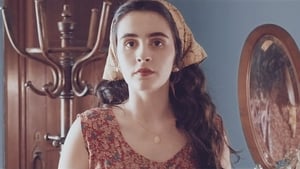
Unemployment was a source of concern for Hebe at two points in her life: in 1985, when she was off television, and in the 1940s, when she tried her luck and ended up becoming a nightclub singer.
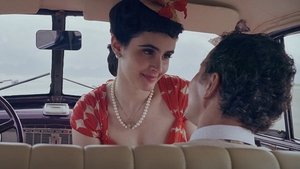
Luís Ramos refuses to publicly acknowledge Hebe. Despite the pain this causes her, she does not leave him and ends up pregnant, but chooses not to have the baby. Meanwhile, Hebe wins a major singing contest.
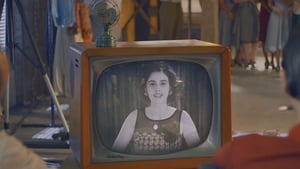
In 1950, Hebe performs poorly in a TV audition but soon gets the chance to host a program for the first time when the regular host is absent. In 1986, she signs with SBT.
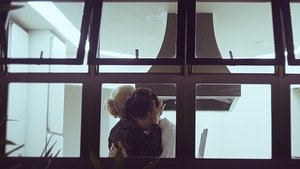
In the 1960s, Hebe meets Décio. The two fall in love and start a family, but he does not appreciate his wife's fame. In 1986, having separated from Décio, Hebe premieres her show on SBT.
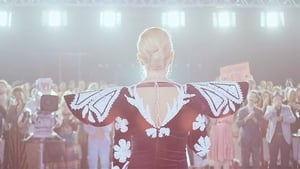
In 1986, Lélio dislikes Hebe's success. The same happens with Décio in the 1970s, when she manages to return to radio. She soon lands a show on TV Record. Hebe loses her father.
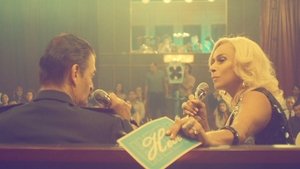
In 1986, Lélio and Hebe quarrel but soon make up. It is a difficult time, reminiscent of 1974, when Hebe interviewed a military officer against her will. The TV Record studio catches fire.

In 1987, Hebe wants to help Brazilians; she questions the government on her show and faces a formal complaint from Congress, which is soon withdrawn. Lélio becomes jealous again, and she moves out of his house.
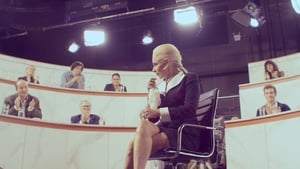
In 1987, Hebe appears on the program *Roda Viva*. Lélio makes a romantic gesture and wins her back. In 1992, Hebe uses her show to support the *Caras-Pintadas* movement.

In the final stage of her life, Hebe experiences great moments: she returns to singing, gives an interview to Marília Gabriela, and is honored by Faustão. Hebe's life thus becomes intertwined with the history of television.
Hebe Camargo
Lélio Ravagnani
Marcello Capuan

Cláudio Pessutti

Cantora do Show de Calouros

Cast
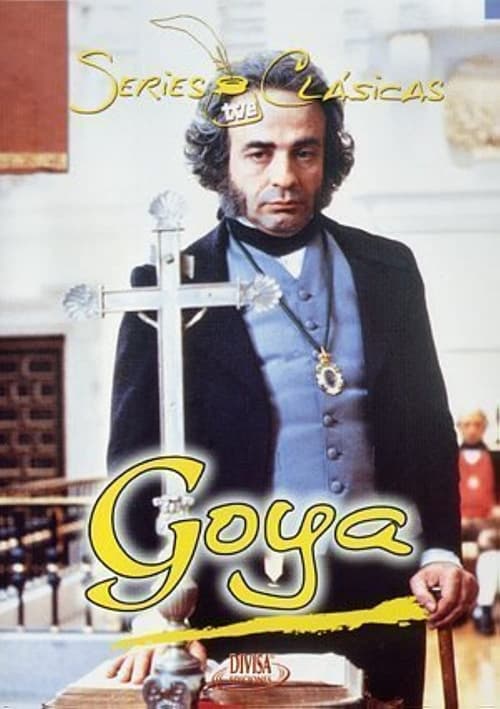
This three-part production about the life, work, and times of Slovak literary classic Jozef Gregor Tajovský focuses on Tajovský's childhood. Jozef Gregor Tajovský was born in Tajov in 1874 and died in Bratislava in 1940. A large part of the life of the prose writer and playwright Jozef Gregor Tajovský is connected with his native Tajov, Banská Bystrica, and the surrounding villages of Pohorelá, Lopej, Horná Lehota, and Podlavice. He spent his childhood in Tajov with his grandparents. He speaks of it as the most beautiful period of his life. After completing elementary school in Tajov, he studied at a grammar school in Banská Bystrica and at a teacher training college in Kláštor pod Znievom. He was particularly attached to Tajov, to which he returned throughout his life.
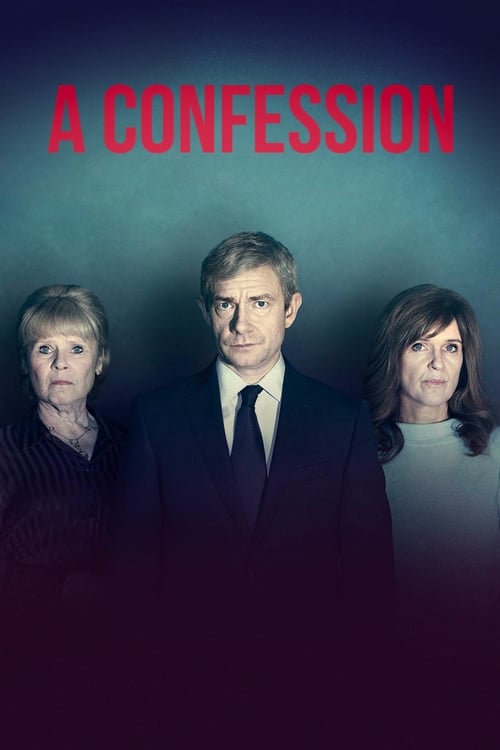
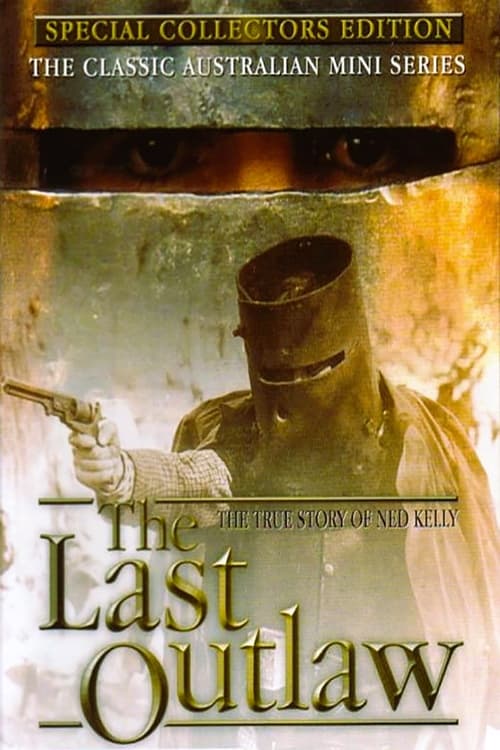
An unmistakable Australian icon - a smoking revolver, two piercing eyes behind a makeshift mask of armour. But beyond the armour, behind the eyes was a man both ruthless and gentle, rugged and kind - the infamous last outlaw, Ned Kelly was his name. Both revered and reviled throughout the ages Ned Kelly was an Irish-Australian battler-cum-bushranger, fiercely independent and pushed into action by the repressive colonial authorities of the time. The Last Outlaw examines the life of Ned Kelly, and expounds the legend from early indiscretions and the formation of his gang through to the violent killings at Stringy Bark Creek, culminating in his explosive last stand and shoot out at Glenrowan. The Last Outlaw is a remarkable four-part miniseries presentation that deflects historical judgement and allows the legend to live on.