Kevin Smith
Cast
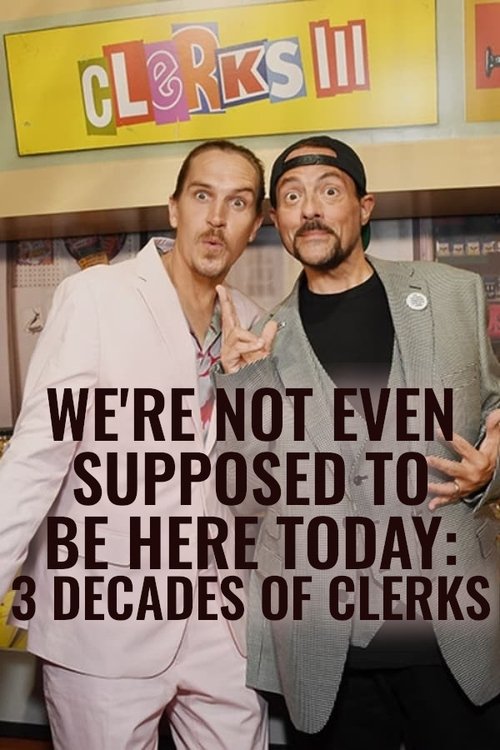
A documentary covering 3 decades of Clerks films
Cast
Cast
Cast
Cast

Cast

Cast
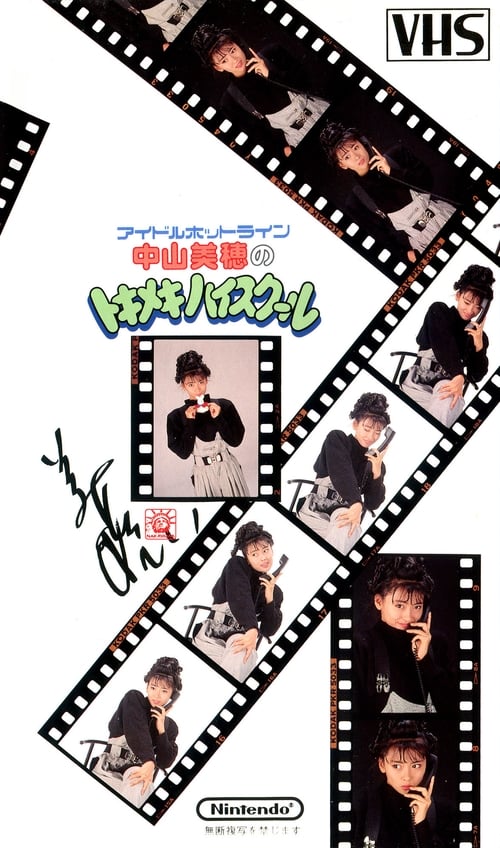
Hello, my name is Miho Nakayama. Thank you very much for participating in the Famicom event "Nakayama Miho no Tokimeki High School." And congratulations on winning a prize! I send you an autographed videotape. Please be careful with it. I will remember the drama (game) we starred together in forever as a precious memory, and I’m going to do my best in songs and dramas in the future. I’ll be happy if you also remembered this as a precious memory. And please watch over me from now on forever. Well then, I’m looking forward to the day we’ll meet again. For those who beat Nakayama Miho no Tokimeki High School and registered their "Best Ending" victory via the Disk Fax network, this tape was given out as a special prize to 8000 winners. This tape showcases behind the scenes footage of Nakayama Miho and her involvement in the game.

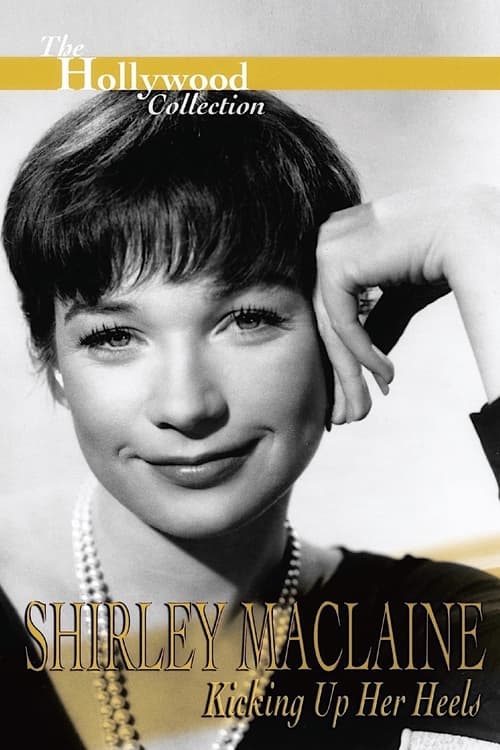
Shirley MacLaine was the product of a strict middle-class background from which she and her brother, the future actor Warren Beatty, escaped into the fantasy world of show-biz. Her ballet training and her long-legged pixie charm led to rapid success on Broadway in musical comedy. Inevitably, Hollywood called and by 1955 Shirley was cast in Hitchcock's "The Trouble With Harry." It wasn't too long before the fine dramatic roles also came to her opposite the most popular leading men of the time, like Fred MacMurray, Jack Lemmon, Frank Sinatra, Clint Eastwood and Robert Mitchum.
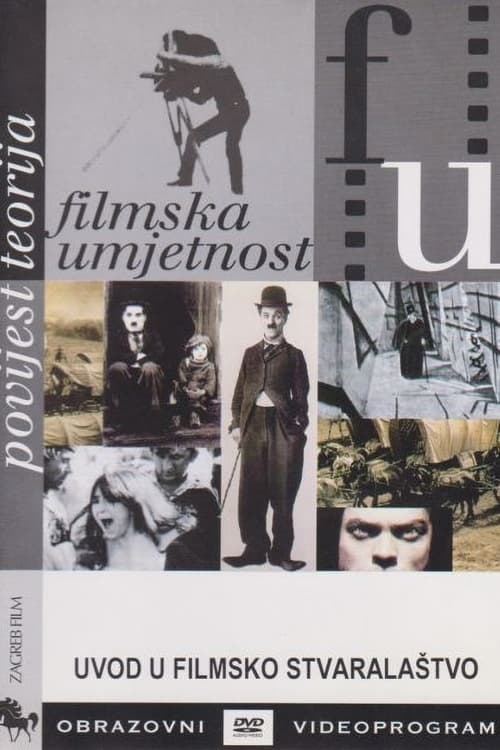
We live with films every day, and it seems nothing easier than answering the question: what is a film? Obviously, a film is, first and foremost, a document, a testimony of the world that surrounds us. The rich expressional possibilities of film are based on the imperfection of the human eye, its sluggishness, so thanks to the stroboscopic effect we can animate a still image. Film is therefore a kinetic image, or a moving image. It can make the invisible visible, bring the distant closer, enlarge the small, speed up the slow, slow down the fast, and return the end to the beginning. The technological basis of film: light, film tape, camera, projector, film screen. Expressive possibilities of film: scientific, documentary, communicative, artistic. Basic film genres: differences among films.
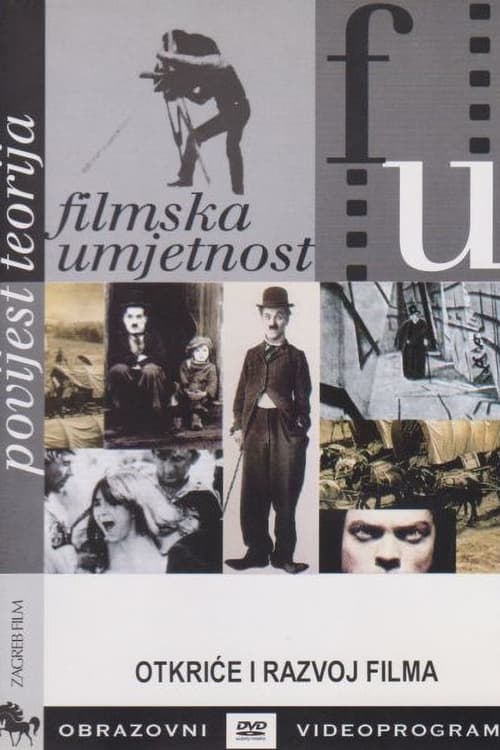
The birth date of film can be established: December 28, 1895. The place where it happened is also known: Paris, Boulevard des Capucines, Grand Caffe. It is also known who did it first: Louis Lumiere. However, the history of film starts in distant, almost unknown times: from drawings of cave people, through reliefs from Egyptian times, to the discovery of photography. Development of film technique: silent film, sound film, color film. Development of film expression: film as a recording of reality, film as an interpretation of reality, film as fiction or new reality. Development of film as an industry.
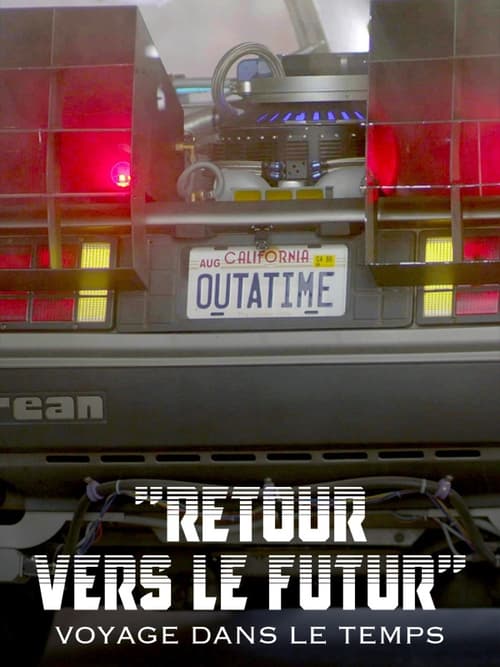
The script of "Back to the Future" was one of the most refused of Hollywood: more than forty times. No producer believed in this project of Robert Zemeckis and Bob Gale. Steven Spielberg imposed the film on Universal Studios, with Gale signing the script and Zemeckis directing. The director of "Jaws" will not regret it. In 1985, "Back to the Future" pulverized the box office and became a worldwide success, reinforced by two sequels in 1989 and 1990. Decade after decade, the popularity of this trilogy does not falter. Why this longevity while so many blockbusters sink into oblivion?