Loading titles…
Documentary
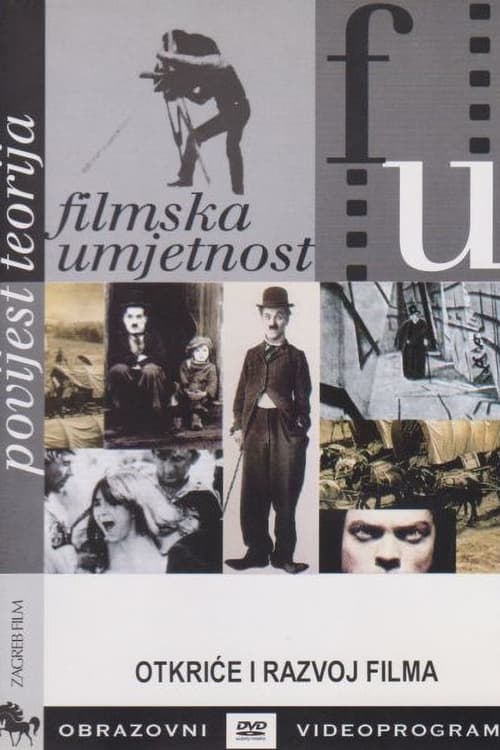
The birth date of film can be established: December 28, 1895. The place where it happened is also known: Paris, Boulevard des Capucines, Grand Caffe. It is also known who did it first: Louis Lumiere. However, the history of film starts in distant, almost unknown times: from…
No cast information available.
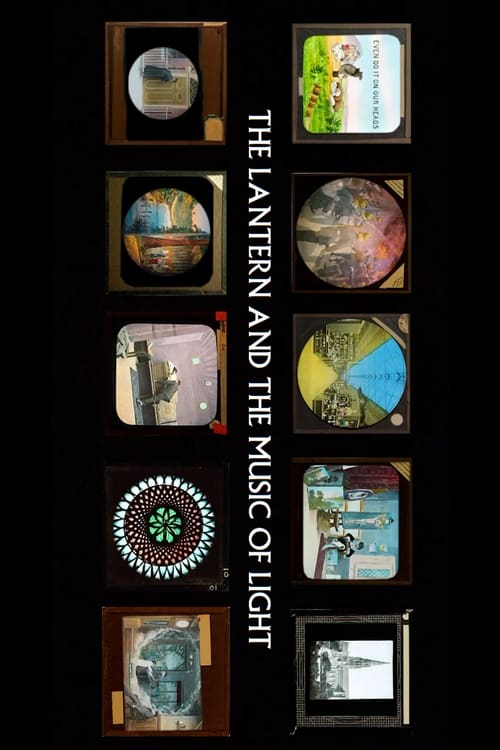
The Magic Lantern was an projector of information and stories than preceded the cinema. How did its visual style translate into the moving image? This film traces the aesthetic narrative from the 19th century up until the 21st, calling in at the Victorians, Melies, Welles, Godard, Spielberg and Carly Rae Jepsen. It also shows how these techniques can inspire your own creativity.
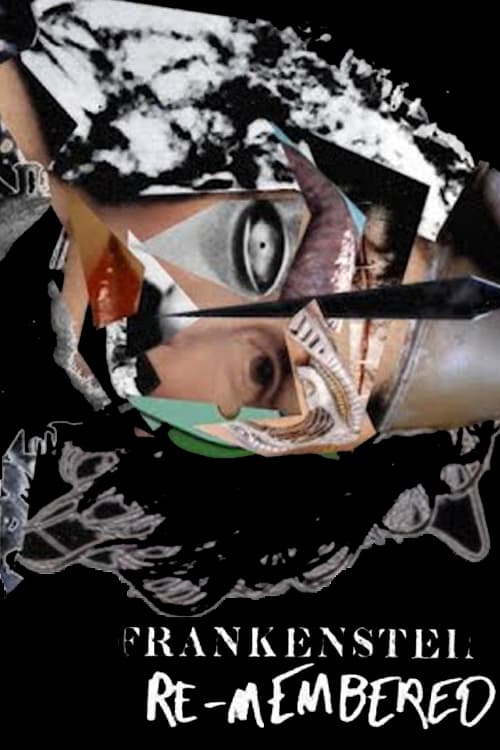
Since its publication 200 years ago, Mary Shelley’s Frankenstein has influenced vast swathes of popular culture. Adaptations have starred cinema legends from Boris Karloff to Robert De Niro – and even Alvin and the Chipmunks. From tales of science gone mad (Jurassic Park) to stories of understanding the other (ET, The Hulk, Arrival), traces of the story and its themes have spread across our media. With Frankenstein Re-membered, video artist and film historian Chris Gerrard collects these diverse fragments from the birth of cinema until the present day and in the tradition of Victor Frankenstein himself, attempts to stitch them back together into an adaptation of the original Shelley novel.

Humankind has always dreamt of the night sky. Of the infinite freedom offered by the black void, and of the strong, shining beacon inviting us to ascend. This is a story, a history of the events that led up to our conquest of space, and the consequences throughout wider humanity. The film is a collage. Of genres, documentary and comedy. Of media, drawing from painting and film. Of films, cannibalising all film history. Of truth, both objective and subjective. Watch the small steps and let your mind take a giant leap.
An homage to the weird and wonderful world of B-movies, this short fauxdocumentary by film artist Chris Gerrard splices together classic clips with some new footage to tell the ludicrously fake story of the mysterious people (and things) lurking beneath us in the eerie River Tay. Feast your eyes on this unique archaeology of aquatic-themed film.
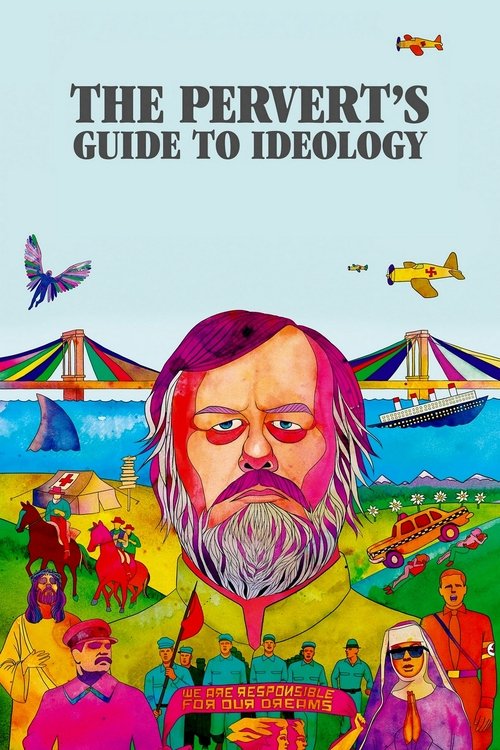
A journey into the labyrinthine heart of ideology, which shapes and justifies both collective and personal beliefs and practices: with an infectious zeal and voracious appetite for popular culture, Slovenian philosopher and psychoanalyst Slavoj Žižek analyzes several of the most important films in the history of cinema to explain how cinematic narrative helps to reinforce prevailing ethics and political ideas.

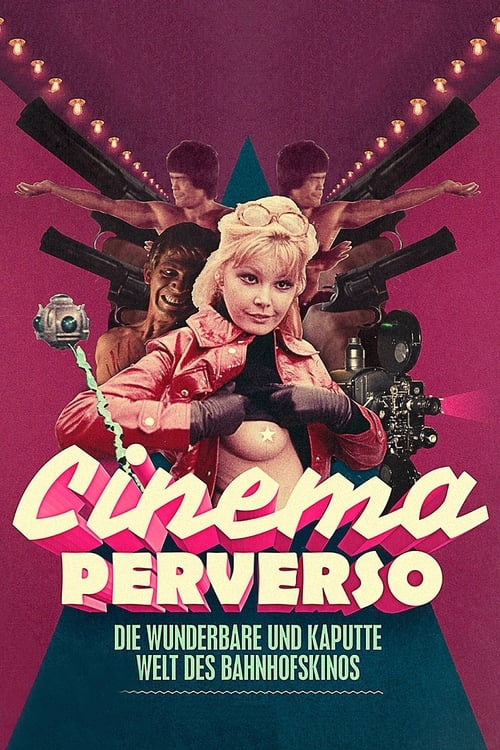
Before there were home video formats and the internet, the “Bahnhofskinos” (“Train station cinemas”) in West Germany regularly showed trash and erotica movies. Various filmmakers and especially contemporary witnesses recount in the documentary “Cinema Perverso – the wonderful and broken world of Bahnhofskino” their experiences and impressions.
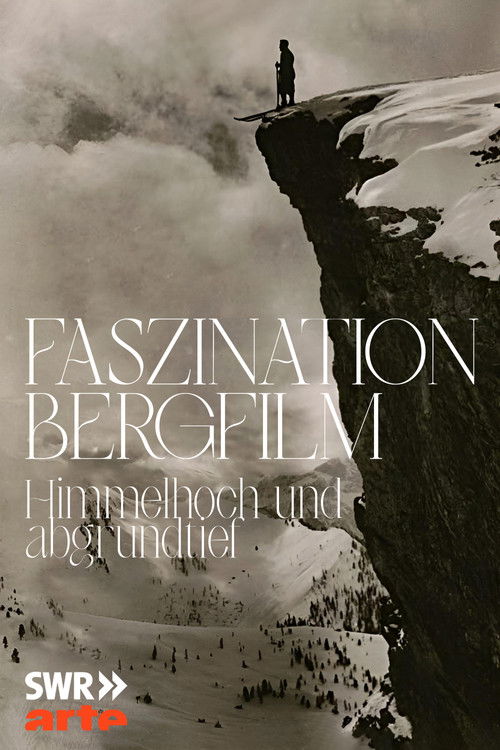
A fascinating chronology of 100 years of mountain film history in the Alps. This documentary focuses primarily on films shot on the Matterhorn, the Eiger, and the Grandes Jorasses, considered until the 1930s as the "last problems of the Alps," and shows the evolution of mountain filmmaking through numerous excerpts from documentaries and feature films – notably on the Matterhorn in 1901. The genre, appropriated as a means of mass exaltation by "fascist" regimes during the Second World War, was reinvented in the 1950s by Gaston Rebuffat, Marcel Ichac, and Lionel Terray in the Mont Blanc massif, avant-garde figures of French mountain cinema, who reintroduced, beyond performance, the values of the mountains – and in color – poetry, humor, and sharing among people from all walks of life.