
Loading titles…
Documentary
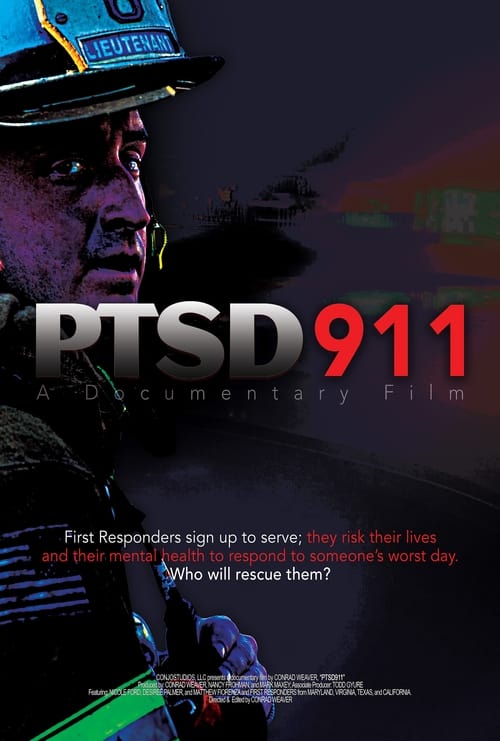
First Responders sign up to serve; they risk their lives and their mental health to respond to someone’s worst day. Who will rescue them? PTSD911 is a documentary film about real people: normal, average human beings who have chosen to work in professions that require above…
Self
Self
Self
The lastest neuroscience discoveries show surprising results: false memories, distortion, modification, déjà vus. Our memory is affected in many ways, and deceives us every day. The very fact of recalling souvenirs modifies them. The everyday consequences are manyfold. To what extent can we rely on our souvenirs? How much credit can we give them during trials? Even more shocking, scientists have proved to be able to manipulate our memory: creating artificial souvenirs, deleting, emphasizing or restoring them on demand.
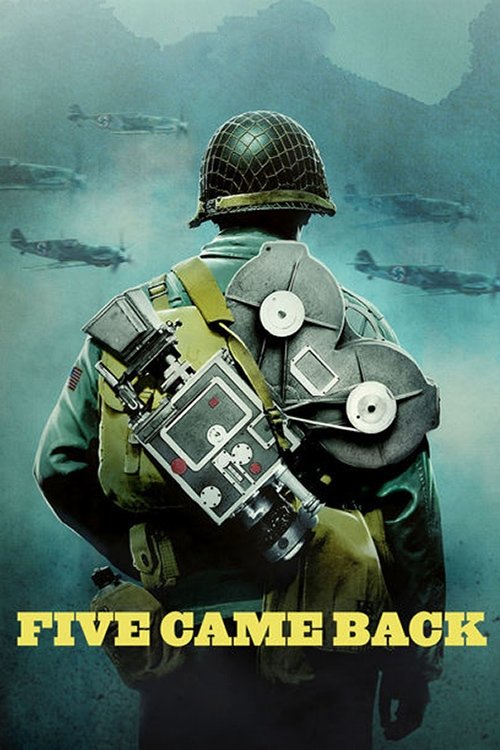
The extraordinary story of how Hollywood changed World War II – and how World War II changed Hollywood, through the interwoven experiences of five legendary filmmakers who went to war to serve their country and bring the truth to the American people: John Ford, William Wyler, John Huston, Frank Capra, and George Stevens. Based on Mark Harris’ best-selling book, “Five Came Back: A Story of Hollywood and the Second World War.”
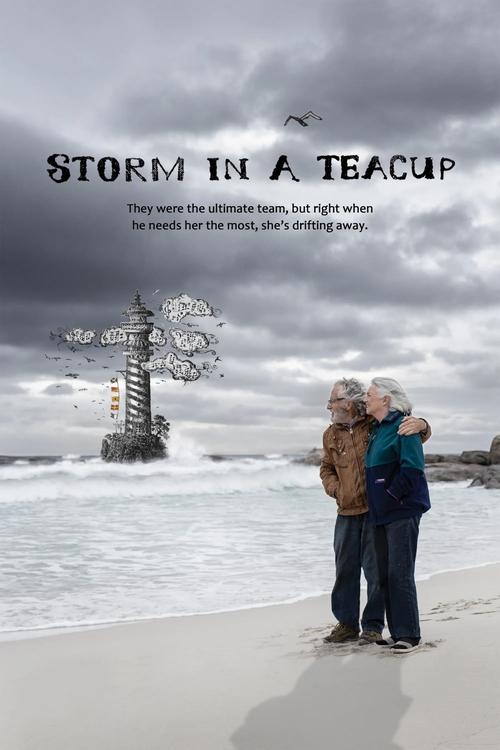
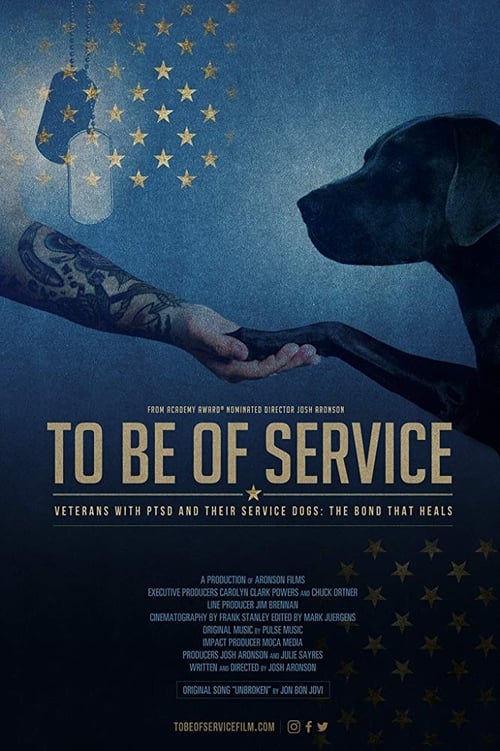


Follows the journeys of four members at Headway East London’s Day Centre: Yoki, who began as a Headway member, now works with the charity, providing emotional support and advocacy to other brain injury survivors. Dave, a former chauffeur to the rich and famous, has embraced cooking and is developing his artistic talents. Margie, life and soul of the community, who spreads joy through her love for food and music, and Marie-Claire who has rebuilt her life after an aneurysm left her in a coma at forty.

This insightful and informative documentary explores the popular world of Mindfulness from the perspective of four people who study and teach it. Mindfulness is defined as a mental state achieved by focusing one's awareness on the present moment, while calmly acknowledging and accepting one's feelings, thoughts, and bodily sensations, used as a therapeutic technique.
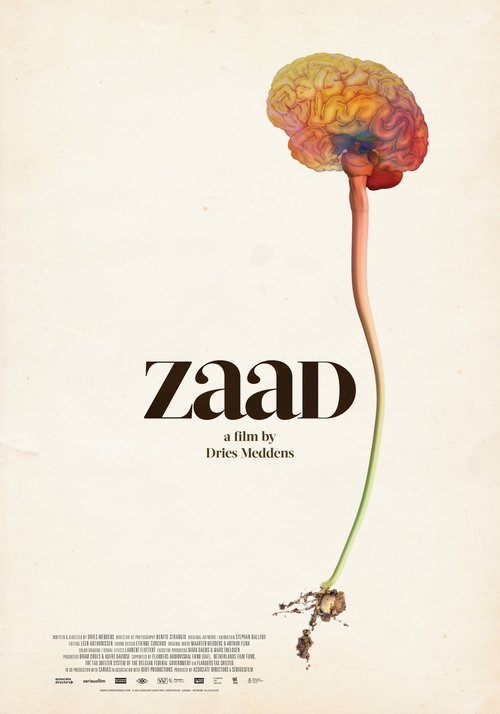
ZAAD tells the autobiographical story of Dries Meddens. After the death of his mother, the care for Dries' bipolar father falls on his plate. He discovers how crudely and ruthlessly society and psychiatry treat patients. His father eventually dies in solitary confinement. While emptying his parent’s home, Dries discovers an old letter from his grandfather. The man appears to have led a busy, productive life. He is the founder of an internationally renowned seed breeding company and still has time to paint, write diaries and conduct intensive correspondence. Dries finds similarities between his grandfather, his father and himself. Slowly the fear grows that his father's psychiatric illness might be hereditary. Strolling through the family’s film and photo archives, with dramatic and sometimes hilarious finds, Dries tries to find answers. He also consults a psychiatrist. Together the consultations and reviewing of his archival material help Dries look at bipolarity with new eyes.