
Benjamin Védrines
Self
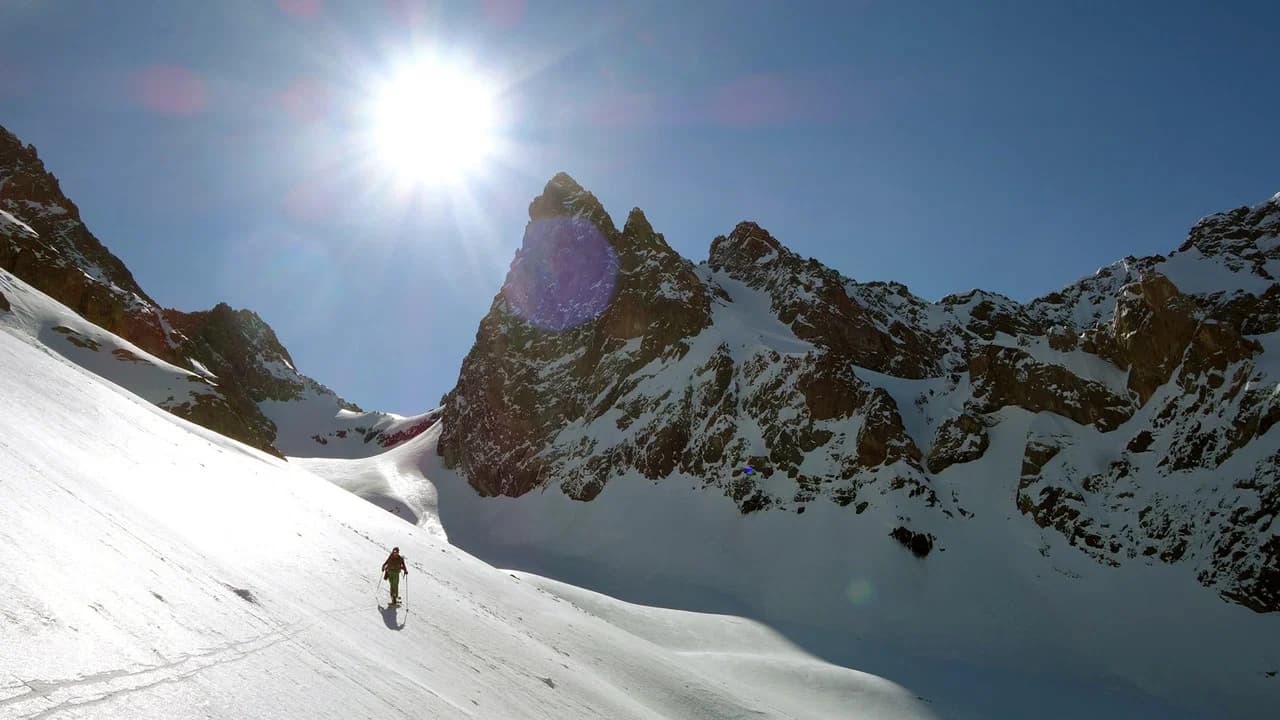
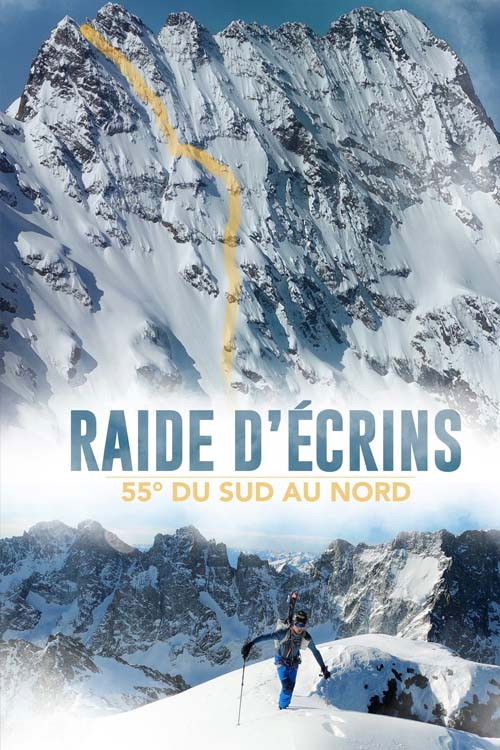
Benjamin Védrines and Nicolas Jean are continuing their ski touring projects. After exploring Nicolas Jean's stomping grounds – the Ubaye Valley – the two guides found themselves this time in Benjamin's backyard: the Écrins massif. From May 27th to 29th, they completed a rapid…
Self
Self

The two brothers Jean and Pierre Ravier have opened almost all the "classic" (difficult) routes in climbing and mountaineering in the Pyrenees. Roped together at the waist using a few flat knots and little equipment, the two twin brothers achieved more than 200 firsts across the entire massif. A unique style and commitment, a state of mind made up of adventure, literature, inventiveness and friendship. Unclassifiable and outgoing, after 60 years of Pyrenees, their desire for the mountains is intact. When does a race start? How does the idea, the desire, come about? What sense does it make to only achieve firsts? And what is the role of the Pyrenees themselves in this reciprocal and endless game of attraction?
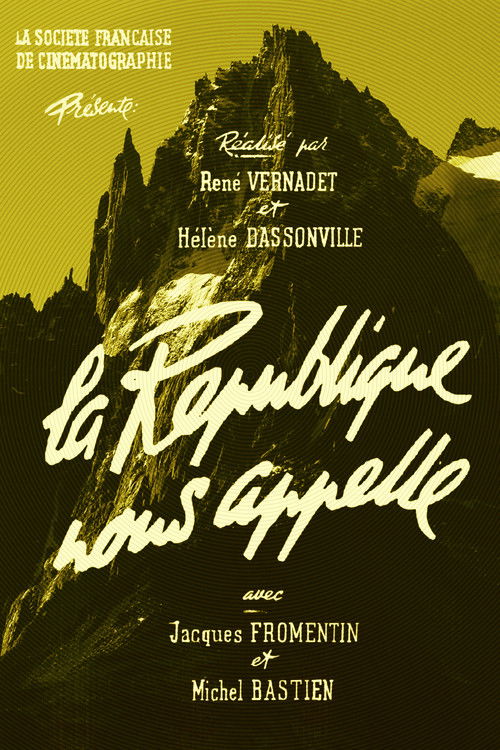
The story of the ascent of the Aiguille de la République by mountaineers Jacques Fromentin and Michel Bastien. The Aiguille de la République, in the Mont-Blanc massif, culminates at an altitude of 3,305 meters among the Aiguilles de Chamonix group of summits. In the Fontainebleau forest, children learn mountaineering techniques on the bouldering climbing site. In 1954, rock climbing was also practiced in the Chamonix valley. The Montenvers train crosses the viaduct taking tourists or athletes to the Mer de Glace viewpoint. The two climbers take an approach step and reach the Envers des Aiguilles refuge. They then climb this steep and smooth wall, progressing along the ridge. On the platform, a rope throw allows them to climb up and sit at the top to dominate the panorama. Then the return: abseiling from the summit block.
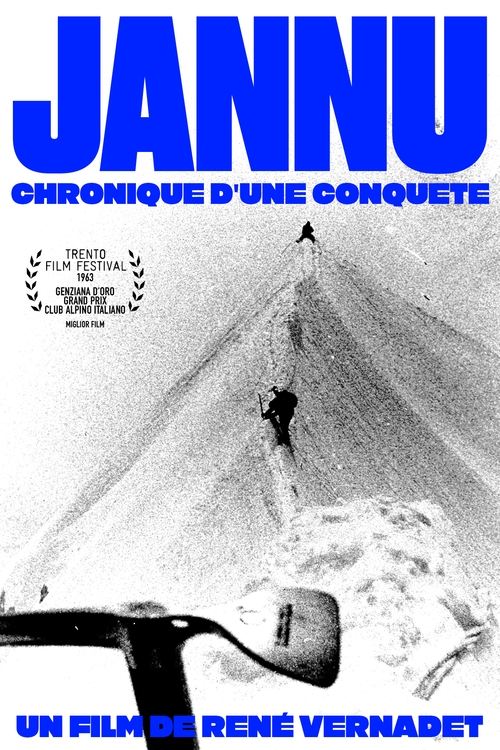
Three years after the 1959 expedition, abandoned 350m from the summit, Lionel Terray leads a new assault on Jannu, one of the most demanding peaks in the Himalayas. At the base camp, equipment and food rations are prepared. The conditions are optimal and the ascent can begin. The camera follows the progress of the mountaineers and Sherpas as closely as possible, from one high-altitude camp to another: installing fixed ropes, progressing over crevasses, in the middle of frozen towers, vertically down immense ice falls or along the edge of sharp ridges. From 7000m, oxygen bottles become essential, as the difficulty of the climb prevents acclimatization. The expedition is a total success: the majority of its members reach the 7710m summit.
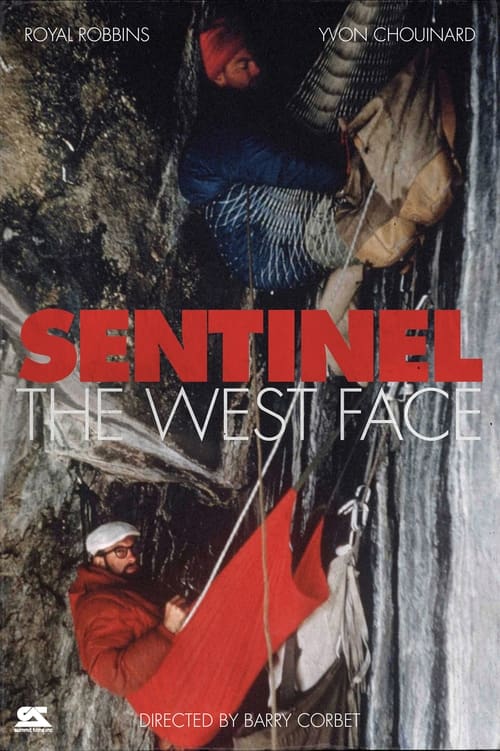
1967: Two of the world's best climbers, Yvon Chouinard and Royal Robbins, tackle the west face of Sentinel Rock, an iconic 2,100-meter granite peak located in Yosemite National Park, considered one of the most difficult in the world. The film's atmosphere is immersive, driven by a sober narrative that highlights the intimate relationship between man and the wall. The technical difficulty of the route, the prolonged physical effort, and the isolation reinforce the heroic dimension of this ascent. The documentary also reveals the essential solidarity between the climbers: each progression requires rigor, inventiveness, and total trust in both the equipment and the partner. This film is considered a benchmark in the history of mountain cinema. It testifies to the pioneering spirit of the era and the evolution of climbing techniques, perfectly illustrating the transition to a more athletic and thoughtful approach to large rock faces.
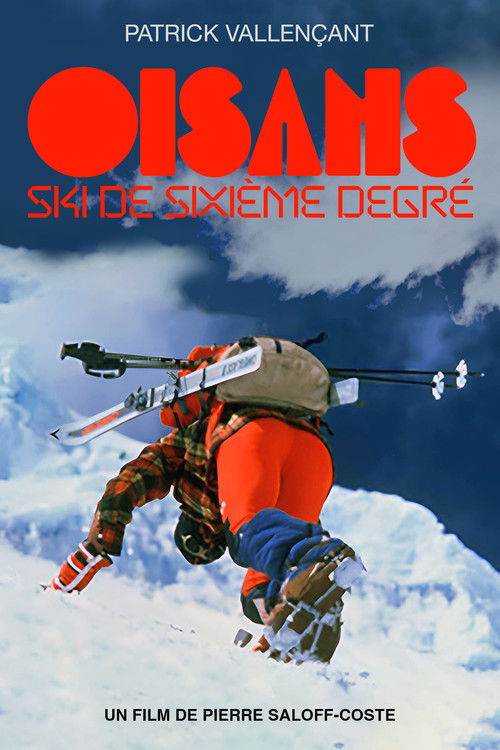
In 1975, Patrick Vallençant skied in some very challenging couloirs in the Oisans region: the north couloir of the Col du Diable, the north couloir of the Coup de Sabre, the couloir of the Pic sans Nom, the Barre Noire couloir in the Écrins massif, and the Gravelotte couloir on the Meije. He was accompanied by Jean-Marc Boivin, P. Guillet, P. Perrier, Gérard Pétrignet, Jacques Ramouillet, Pierre Saloff-Coste, and Joseph Spagnolo. In the second part of the trip, Vallençant completed a circuit of the Meije in three mixed-mountain ascents and, above the avalanche debris, skied off-piste through the steep couloirs and glaciers of the Oisans. He then climbed the routes to the summit of the Meije alone, following the stages of a high-mountain itinerary from the Refuge de l'Aigle.
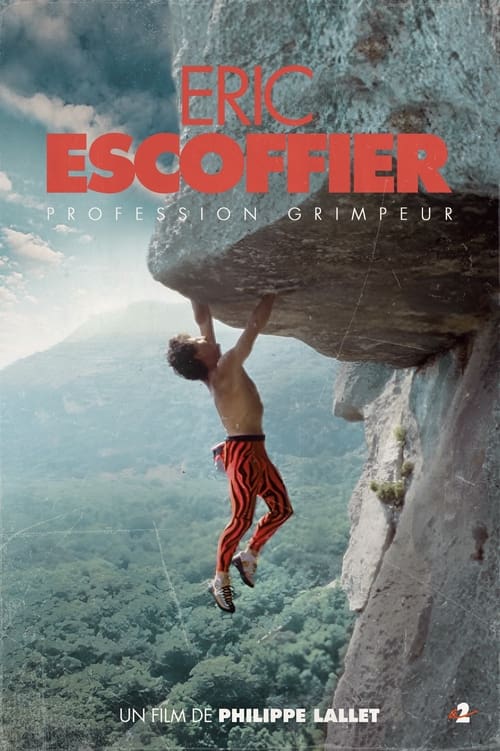
A documentary portrait of the legend Eric Escoffier at the height of his mountaineering career. A true athlete, Escoffier has comprehensive, cutting-edge preparation in three different climbing disciplines: rock climbing, ice climbing and solo free climbing, without any safety devices. Philippe Lallet's camera follows Eric in his performances and in his preparation for one of the first La Sportroccia climbing competitions, in 1985 in Bardonecchia in Italy.
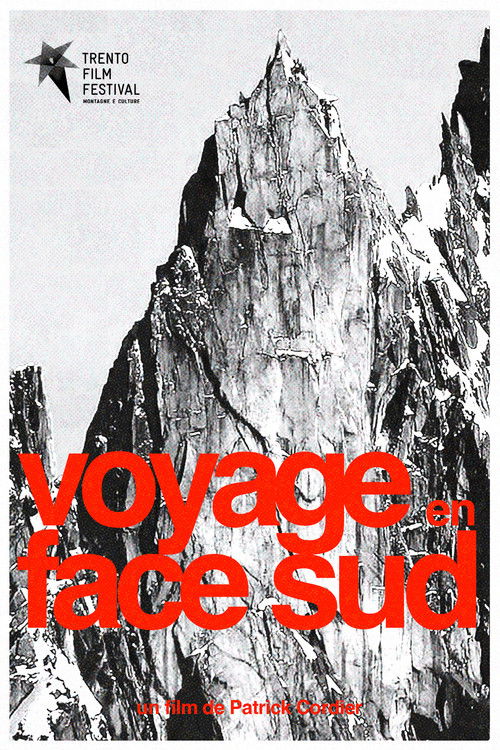
Voyage en face sud (Journey to the South Face) is a mountaineering documentary by Patrick Cordier and Jacques Ramouillet that shows the first solo ascent of the south face of the Aiguille du Fou in 1976 by Patrick Cordier himself. The climb was filmed by Jacques Ramouillet from a nearby ridge. Pierre Torlasco was tasked with belaying Jacques Ramouillet while he filmed. For this filmed ascent, Patrick Cordier opted for the dress code of his time—white clothing, bell-bottom trousers, and a headband—rather than the traditional mountaineering attire. The film was presented at the Trento Film Festival in 1977 and at the Gala de la Montagne (Mountain Gala) at the Salle Pleyel in Paris.
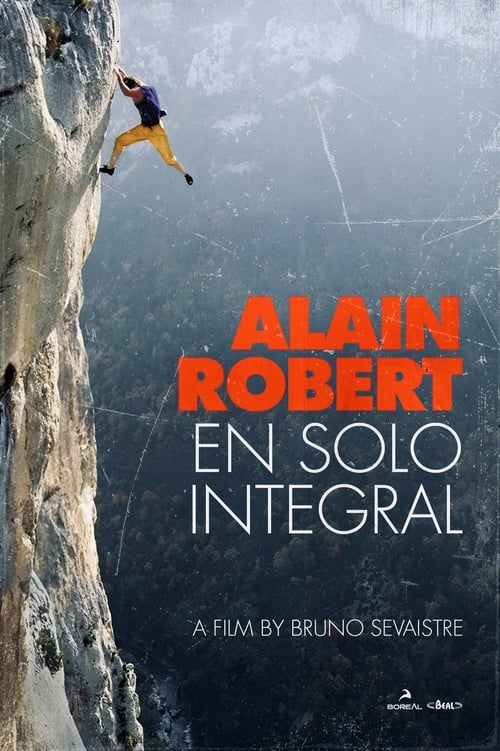
Before tackling the ascent of urban buildings, Alain Robert was considered one of the best specialists in the "climbing" of cliffs. His passion nearly cost him his life in 1982, when a fall rendered him 66% disabled. At the time the doctors were convinced that he could no longer indulge in this passion. This does not prevent him, by dint of motivation and training, from climbing more than 170 buildings around the world to date, and from soloing technical routes at his maximum level, such as "La Nuit du Lézard". (8a+) in Buoux (France), where here is "L'Ange en Décomposition", in 1991, a mythical course in the Gorges du Verdon.
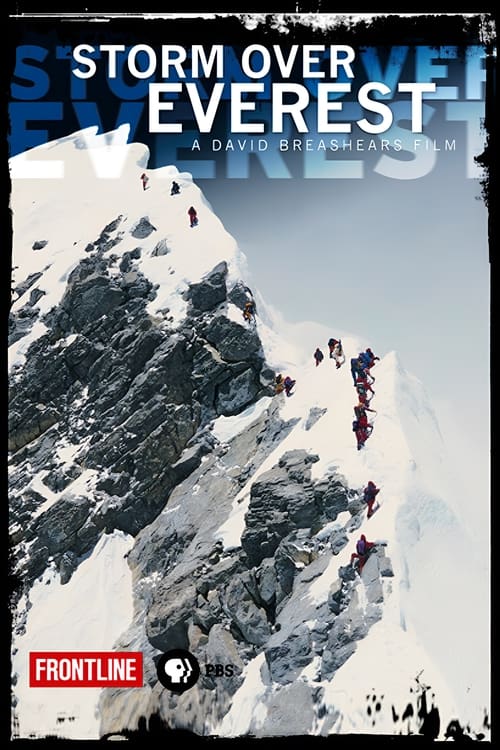
As darkness fell on May 10, 1996, a fast moving storm of unimaginable ferocity trapped three climbing teams high on the slopes of Mount Everest. The climbers, exhausted from their summit climb, were soon lost in darkness, in a fierce blizzard, far from the safety of High Camp at 26,000 feet. World-renowned climber and filmmaker David Breashears, who aided the rescue efforts back in 1996, now returns to Everest to tell the fuller story of what really happened on that legendary climb. Through remarkably intimate interviews with the climbers and Sherpas many who have never spoken before on American television Breashears sheds new light on the worst climbing tragedy in Mount Everest s history.
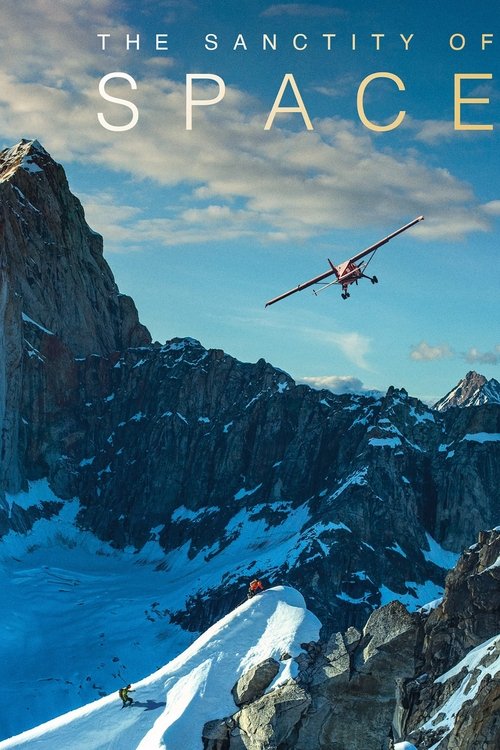
Seventy-five years after Brad Washburn, one of the greatest aerial mountain photographers of all time, first shot Alaska’s Denali Mountain from the open door of an airplane, climbing buddies Renan Ozturk, Freddie Wilkinson, and Zack Smith look at some of his mountain photographs and have this crazy idea. Rather than go up, their dream is to go sideways across the range’s most foreboding peaks, the Moose’s Tooth massif. It’s a fresh new way to explore the same landscape Washburn first discovered. As the group endures rough conditions, disintegrating ropes, and constant rockfall, their desire to be the first to complete the audacious line grows into an obsession. But friendships begin to fray when Renan suffers a near-fatal brain injury, forcing all three partners to decide what’s most important to them.
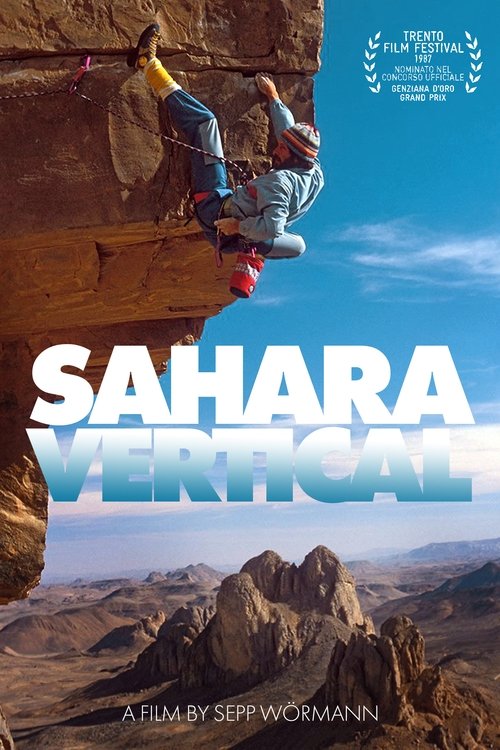
The climbing couple Heinz Mariacher and Luisa Iovane abandon their usual winter training spot to go in search of places more conducive to free climbing in Algeria in the Sahara desert, more precisely in the Hoggar massif, which saw pass the cream of world climbing Lionel Terray, Roger Frison-Roche, Lucien Bérardini, Michel Vaucher, Pierre Mazeaud, Guido Monzino, Patrick Edlinger, Patrick Berhault and many others. Their objective, to climb the east face of Garet El Djenoun, 500 m high, failed because the wall was too smooth and the cracks unstable. The journey continues in the Hoggar massif towards other peaks, where they find the climbing conditions they were hoping for. An overhang in the face of Tizouyag Nord will prove to be a major challenge for Heinz Mariacher.