Loading titles…
No cast information available.
It was the biggest escape in the history of the Berlin Wall: in one historic night of October 1964, 57 East-Berliners try their luck through a tunnel into West Berlin. Just before the last few reach the other side, the East German border guards notice the escape and open fire. Remarkably, all the refugees and their escape agents make it out of the tunnel unscathed, but one border guard is dead: 21-year-old officer Egon Schultz.
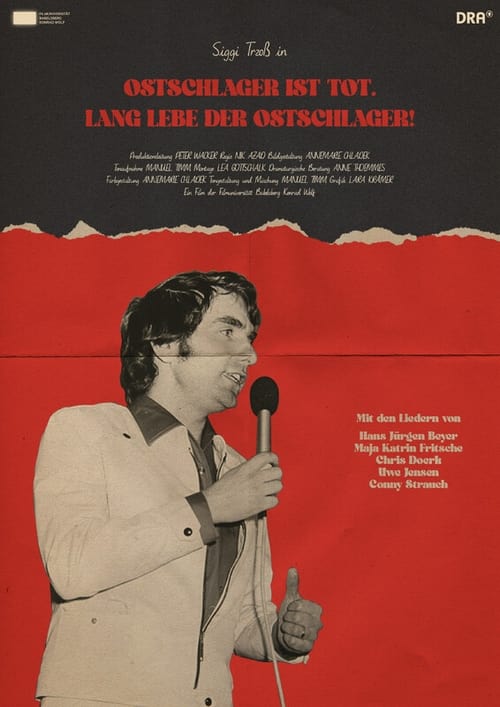
Siegfried "Siggi" Trzoß, a radio moderator from East Berlin, is working tirelessly leading up to his anniversary and 900th show. The music his heart burns for is East German Schlager, a genre politically ignored at first and widely forgotten now. But Siggi keeps the dream alive to this day, making the hearts of seniors jump higher in nostalgia all over east Germany.
This report was broadcast on ARD in 1993. In 43 minutes, the development of psychiatry "in the third year after reunification" is shown using two institutions in the new federal states as examples. A touchstone for all of psychiatry and disability care to this day. The film shows a shocking way in which disabled people are treated. The commentary uses the perspective of those affected. 50 years after euthanasia in Germany, this documentary reminds us of this once again.
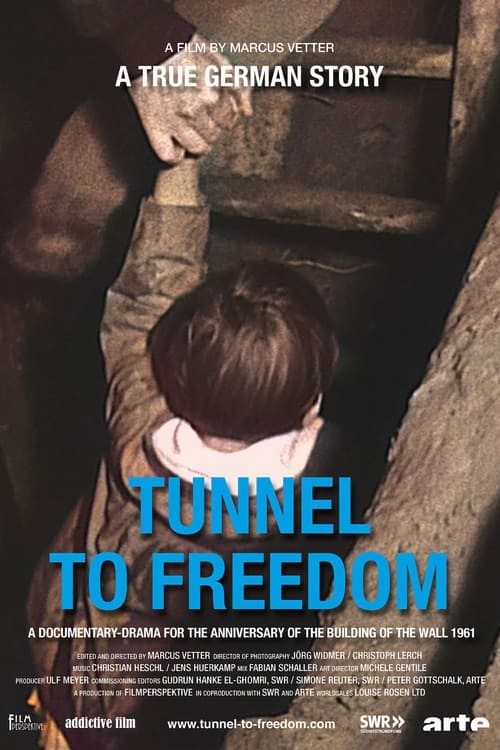
13 August 1961: the GDR closes the sector borders in Berlin. The city is divided overnight. Escape to the West becomes more dangerous every day. But on September 14, 1962, exactly one year, one month and one day after the Wall was built, a group of 29 people from the GDR managed to escape spectacularly through a 135-meter tunnel to the West. For more than 4 months, students from West Berlin, including 2 Italians, dug this tunnel. When the tunnel builders ran out of money after only a few meters of digging, they came up with the idea of marketing the escape tunnel. They sell the film rights to the story exclusively to NBC, an American television station.
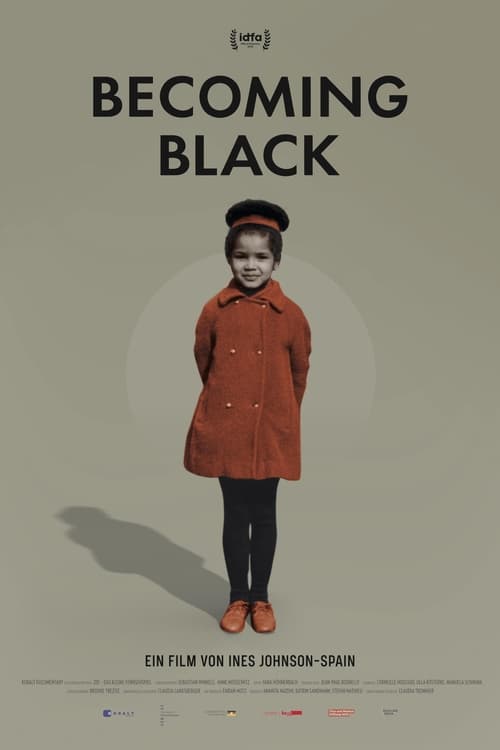
In the 1960s, a white couple living in East Germany tells their dark-skinned child that her skin color is merely a coincidence. As a teenager, she accidentally discovers the truth. Years before, a group of African men came to study in a village nearby. Sigrid, an East German woman, fell in love with Lucien from Togo and became pregnant. But she was already married to Armin. The child is Togolese-East German filmmaker Ines Johnson-Spain. In interviews with Armin and others from her childhood years, she tracks the astonishing strategies of denial her parents, striving for normality, developed following her birth. What sounds like fieldwork about social dislocation becomes an autobiographical essay film and a reflection on themes such as identity, social norms and family ties, viewed from a very personal perspective.