
Loading titles…

Vadius
Ariste

Clitandre

Trissotin

Philaminte
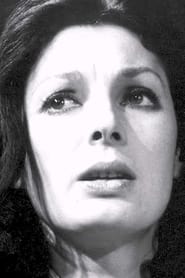
Henriette

Martine
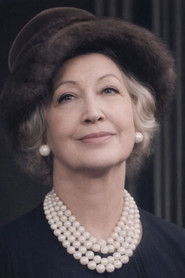
Bélise

Armande
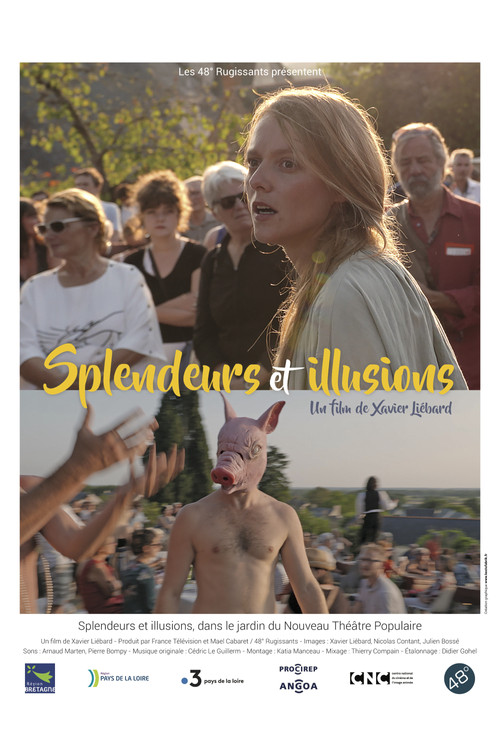
In the Garden of the New People's Theater Overview They wanted to create a theater that reflected their own vision, a freer theater, closer to its audience. So they built a wooden stage under the benevolent shade of a twisted church steeple, in the garden of a small village in Maine-et-Loire, Fontaine-Guérin. And the dream of a New People's Theater took shape amidst the fields. This is the story of a generation of actors in their thirties who have grown old together and who, ten years later, are realizing the audacity and fragility of their dream. For its tenth season, the company tackles Balzac's *Human Comedy* and plunges us into the torments and illusions of their lives as artists through the outlandish tale of Lucien de Rumbempré, a young poet who dreams of going to Paris. How can an artist avoid losing their soul? Therein lies the inner conflict. Xavier Liébard Director, Writer
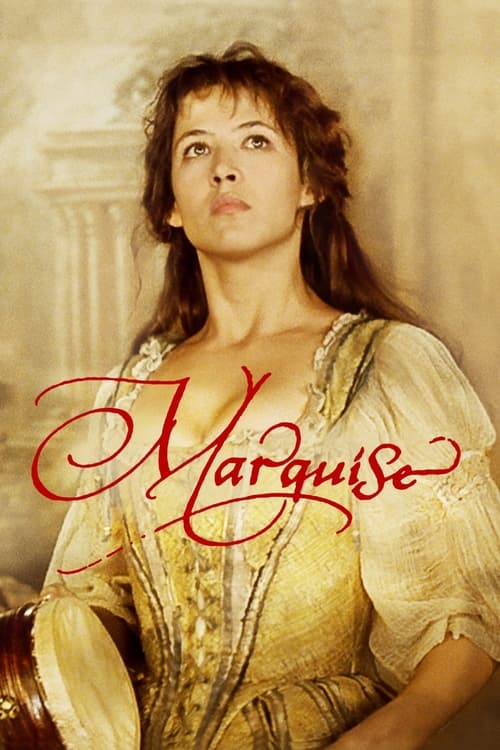
Marquise is a drama about the rise and fall of a beauteous actress. As cheerfully portrayed by Sophie Marceau, the eponymous heroine is an engagingly ribald, but perhaps rather too modern, character. She rises from an impoverished background to become a favourite of the Sun King, Louis XIV, and the mistress of the celebrated Racine, who wrote roles especially for her; but her fate, in the end, is a tragic one.
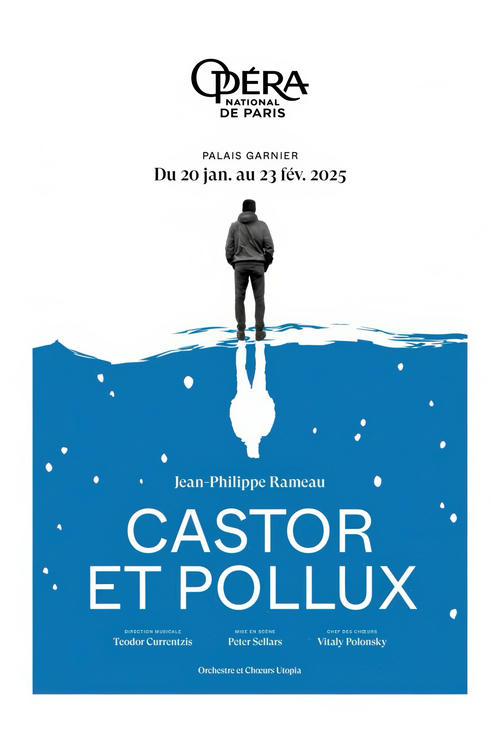
A return to its roots for Castor et Pollux, Jean-Philippe Rameau’s lyric tragedy first performed in 1737 at the Académie royale and inspired by the mythological episode of the Gemini. Rarely performed in its original version – the score was reworked by Rameau himself in 1754 –, this daring work plays on contrasts and expressiveness, as in the famous “Tristes apprêts”. The aria is sung by Télaïre mourning the death of her fiancé Castor, killed in battle, before his twin brother Pollux descends into the Underworld to ask his father, Jupiter, to bring him back to life. While this opera celebrates brotherly love, its prologue poses an essential question for director Peter Sellars: how do you stop a war and its attendant hatred and resentment?