

Loading titles…
No cast information available.

MANUFACTURED LANDSCAPES is the striking new documentary on the world and work of renowned artist Edward Burtynsky. Internationally acclaimed for his large-scale photographs of “manufactured landscapes”—quarries, recycling yards, factories, mines and dams—Burtynsky creates stunningly beautiful art from civilization’s materials and debris.
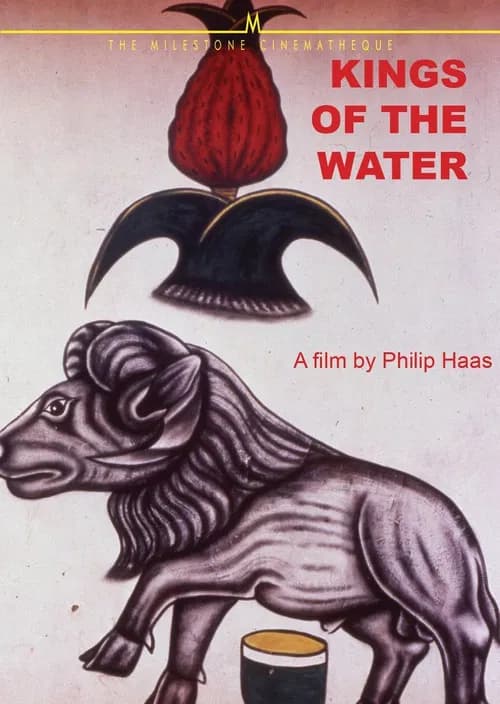
Cyprien Tokoudagba is from the city of Abomey in the Benin Republic of West Africa, where he paints the religious houses of the vodun. Haas and his film crew follow Cyprien as he first paints and then takes part in the ceremony to open a new temple. The paintings include three vodun figures and several emblems, including a pipe and a duck. Cyprien explains his work in the context of the religion and takes the crew to film two other local ceremonies, one where the dead are believed to come back to instruct the living through wild dancing and, another, where women warriors perform their war dances.
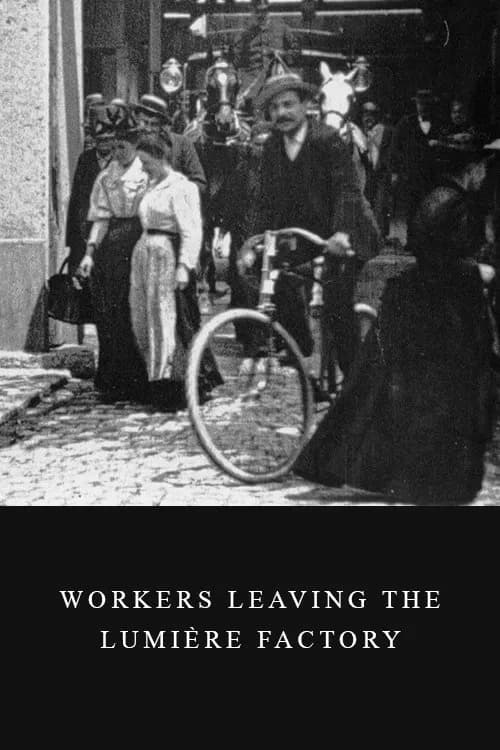
Working men and women leave through the main gate of the Lumière factory in Lyon, France. Filmed on 22 March 1895, it is often referred to as the first real motion picture ever made, although Louis Le Prince's 1888 Roundhay Garden Scene pre-dated it by seven years. Three separate versions of this film exist, which differ from one another in numerous ways. The first version features a carriage drawn by one horse, while in the second version the carriage is drawn by two horses, and there is no carriage at all in the third version. The clothing style is also different between the three versions, demonstrating the different seasons in which each was filmed. This film was made in the 35 mm format with an aspect ratio of 1.33:1, and at a speed of 16 frames per second. At that rate, the 17 meters of film length provided a duration of 46 seconds, holding a total of 800 frames.


The ruthless dictator Teodoro Obiang has ruled Equatorial Guinea with an iron hand since 1979. Juan Tomás Ávila Laurel is the most translated Equatoguinean writer, but he had to flee the country in 2011, after starting a hunger strike denouncing the crimes of the dictatorship. Since then, he has lived in Spain, feeling that, despite the risks, he must return and fight the monster with words.
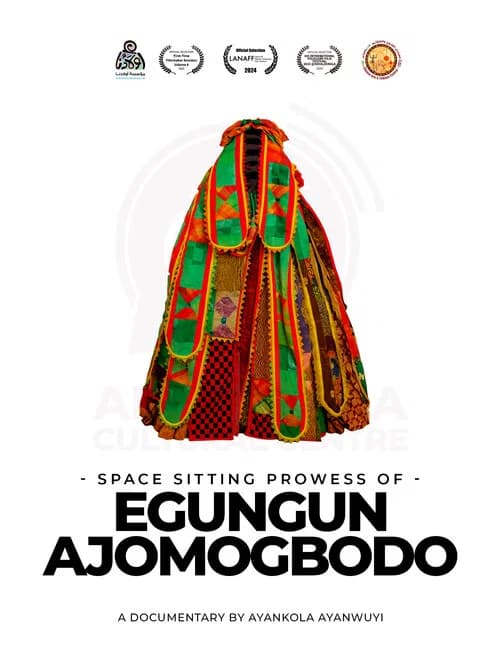
The name Ajoko-mo-gbe-odo (the one who sits without need for stool) is said to have been given in the ancient time when all Egungun in Ogbomoso openly perform for the king, Soun of Ogbomoso. After their performance, other Egungun would sit on stool but this precise Egungun choose to be different by sitting without a stool. Since then, the onlookers began to call it Ajoko-mo-gbe-odo and was later shortened to Ajomogbodo for easy pronunciation. This is a documentary that tells the story and shows the performance of Ajomogbodo, a mystical Egungun that sits comfortably on space without the use of a chair or stool.
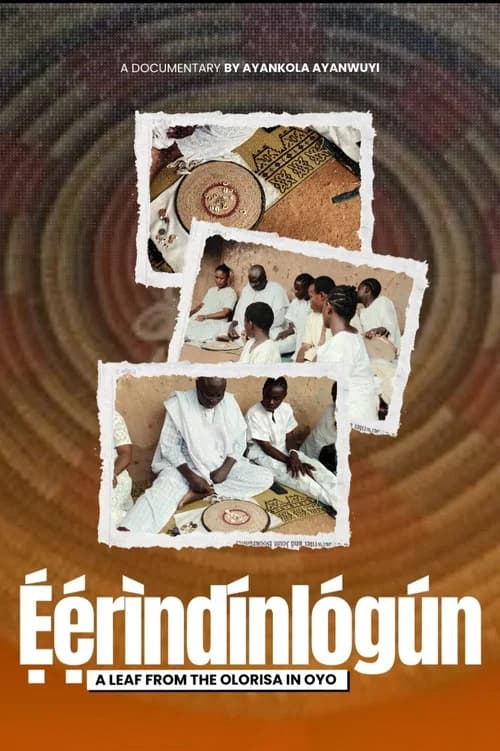
Eerindinlogun is a Yoruba based system of divination. It is a divination system (also called Idaasa or Dilogun in Brazil) widely used by Orisa adherents which includes Obatala, Sango, Oya, Osun, Yemoja, amongst others. This documentary entitled Eerindinlogun: A leaf from the Olorisa in Oyo, produced by Israel Ayanwuyi, explore the origin of Eerindinlogun, the order of its practice and position among the traditional families in Oyo.

Worldy renowned for his masterpiece The Housemaid (1960), Kim Ki-young debuts with his first short film I Am a Truck (1953), which was sponsored by UN and made a year after the armistice of the Korean War. This film is a fascinating glimpse into the mind of a soon-to-be powerful auteur and influential filmmaker in the post-war Korean cinema, if not the whole history of Korean cinema.