Loading titles…
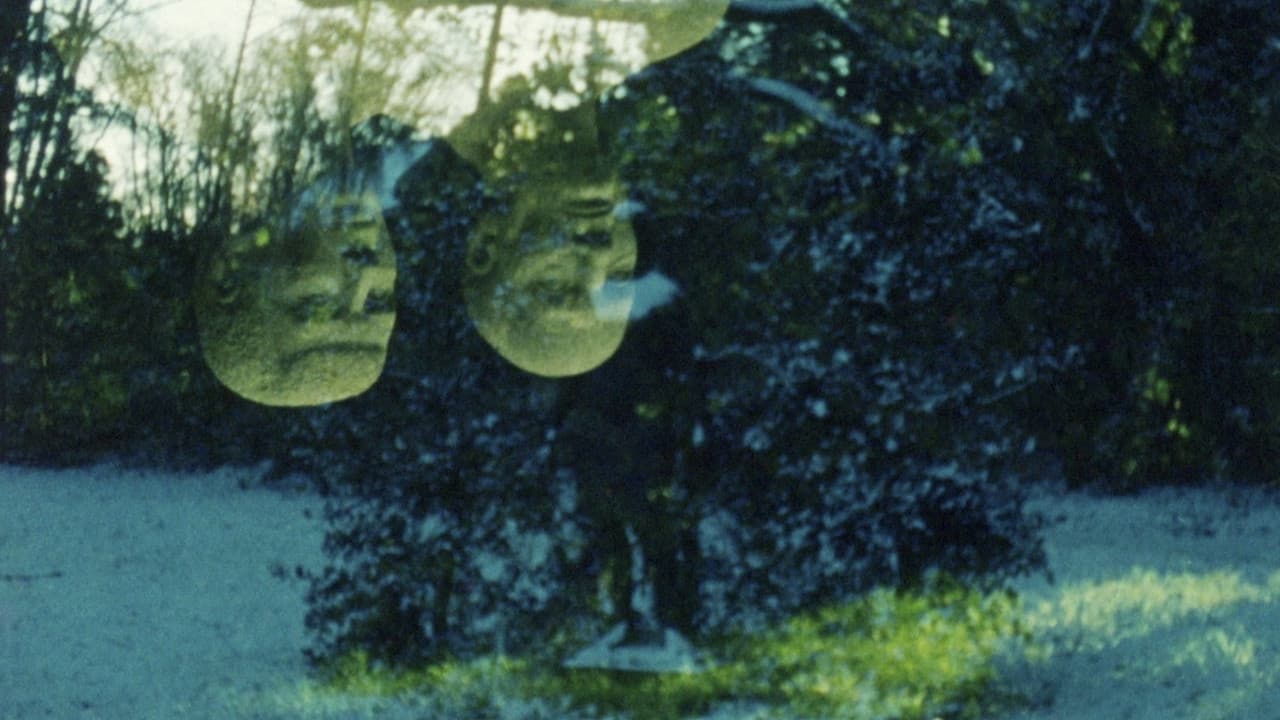
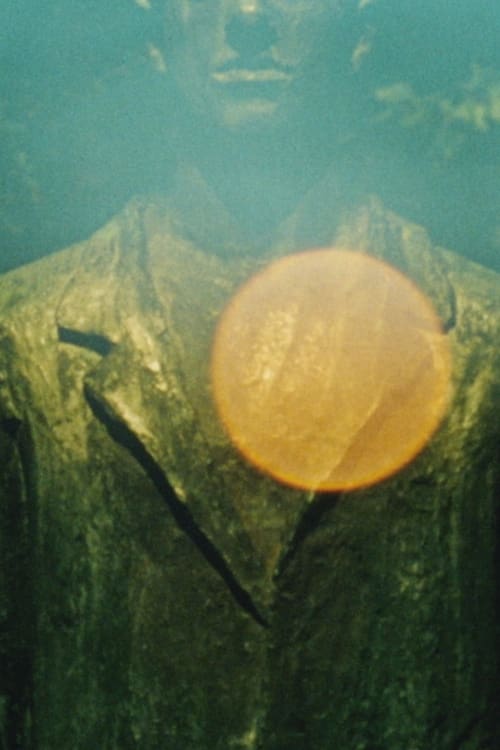
A triple exposure on EXR 50D 16mm film: two layers shot in summer, and the third captured on the cusp of winter. A collection of statues fading in and out of consciousness, around the Weissensee lake in northeast Berlin, where the filmmaker lives.
No cast information available.
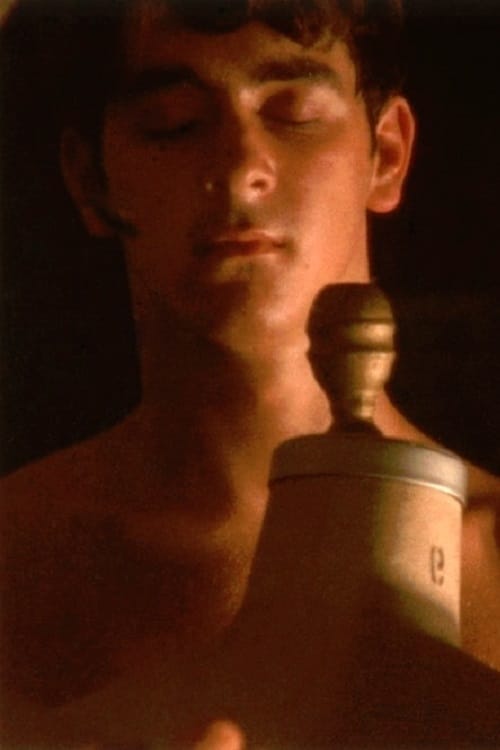
Structured in nine tableaux each a study of a simple action or situation involving a lone, naked figure, the blind Eros, searching for fulfilment, for self. The objects he touches - books, paintings - can be seen as icons of the creative spirit; there is also a motor cycle and film equipment. In succeeding scenes he appears to try on identities offered by institutional doctrines of religion and social traditions of (overt) masculinity. Much of the film was constructed in-camera with a small amount of editing afterwards. An innovation was the use of in-camera fade-outs as phrase markers, not as terminal points, within a single set-up or shot.

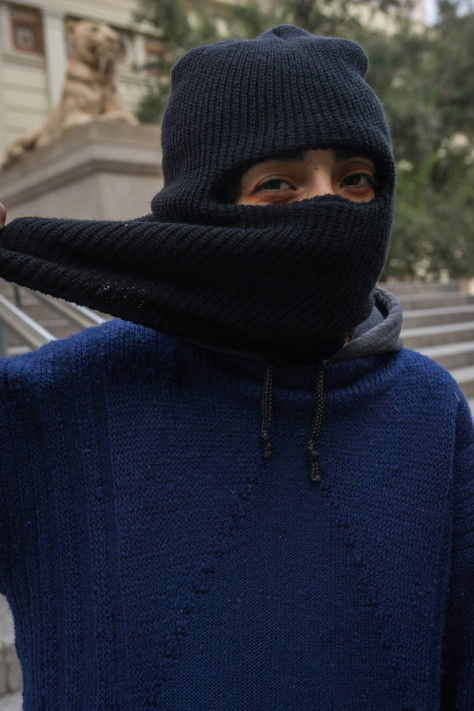
The story of a girl, after a breakup, removing her makeup and finding herself again in grief. About life, places, being yourself wherever you are, in love, and not losing yourself, moving through things. "Balaclava Quemado is about not ceasing to be yourself no matter what situation you find yourself in; with or without wearing it, it's the strength to keep going, it's a bit of a symbol of taking the freedom that one can and carries within." Daniela.


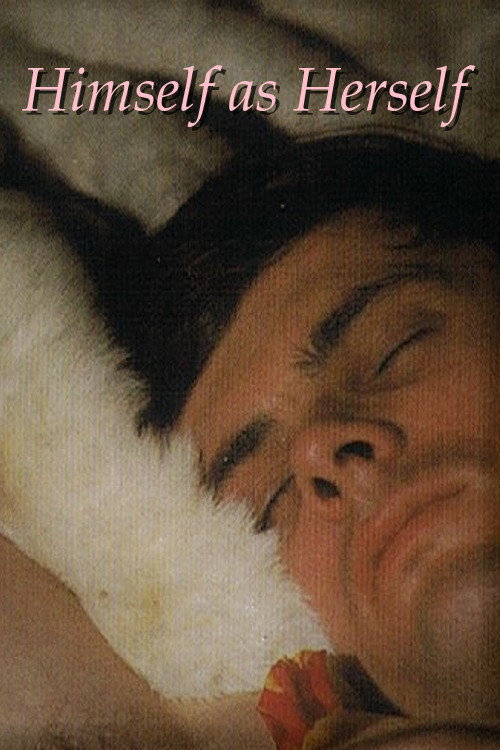
The young hero seems the essence of maleness, yet he's troubled by vaguely feminine objects. Soon his masculine and feminine selves are intercut, as each of his identities appears to look and gesture at the other. The film, at once melancholy and transcendent, consists of a shimmering, nearly plotless evocation of gender identity in flux through haunting, densely interlaced images.