


Loading titles…
Documentary
Rikkie Kollé will be the first trans woman to be crowned Miss Netherlands in July 2023. In addition to praise, 22-year-old Rikkie receives a remarkable amount of misunderstanding and hate reactions about herself. Fortunately, they have only strengthened her mission even more:…


Self

Self

Rapper and breakdancer Teekay from Eindhoven is known for his somersaults and vlogs that are causing a stir. During the corona riots in 2021, he not only gained national fame as a vlog reporter, but also ended up briefly in jail. After his junior year, Teekay wants to change course and, above all, be an example for other young people. In the film he takes us into his life and talks about his childhood in foster homes, the mistakes he made and about his dreams. What is Teekay looking for?


Over the course of 10 months, a camera travels to Buenos Aires, Argentina and Hanover, Germany to meet with Magalí, María Belén, Ivana and Carla, the founding members of the Archivo De La Memoria Trans Argentina, the first existing Trans Archive in the world. Taking the shape of a photo-novel, the documentary not only recounts the founding members lives as trans women under the Argentine dictatorship (1976-1983), the AIDS epidemy, state repression and mass assassinations but also years of fighting for their rights, sorority and the exaltation of life and laughter in times of death. Filming each one of them is filming them embracing their new role as curators, archivists and historians while a collection of 7,000 photos goes through the filter of their memories.
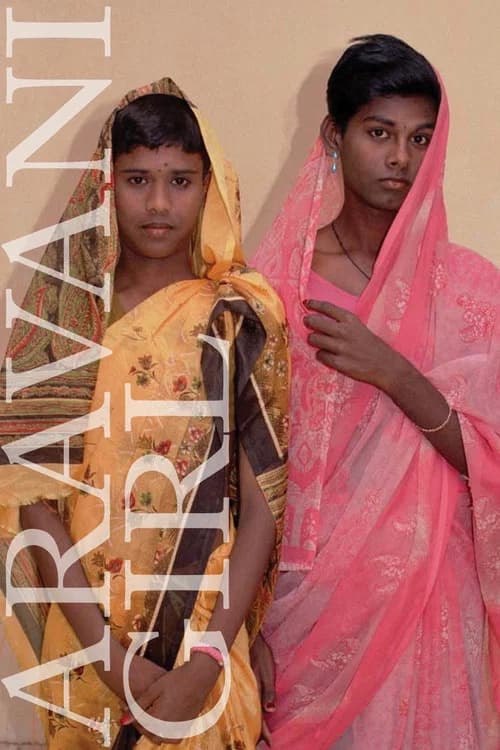
Sixteen year olds Palani and Karthik want to become "ladyboys." They're bullied in school and beaten by their families. Their parents would like to see them grow up as normal boys, but they're falling deeper and deeper into the world of the "Aravanis." Loved as dance performers but hated as homosexuals, their stories emblazon the inner conflicts of India's gender culture today.

In France, as in the United States, an ideological divide is widening between girls and boys: "Young women born between 1995 and 2010 are hyper-progressive, while men of the same age are hyper-conservative," according to Alice Evans, a researcher at Stanford University. "Tens of millions of people who live in the same cities, work in the same places, attend the same classrooms, and even live in the same houses no longer share the same views. This is unprecedented. Generation Z is actually two generations, not one."

