Loading titles…
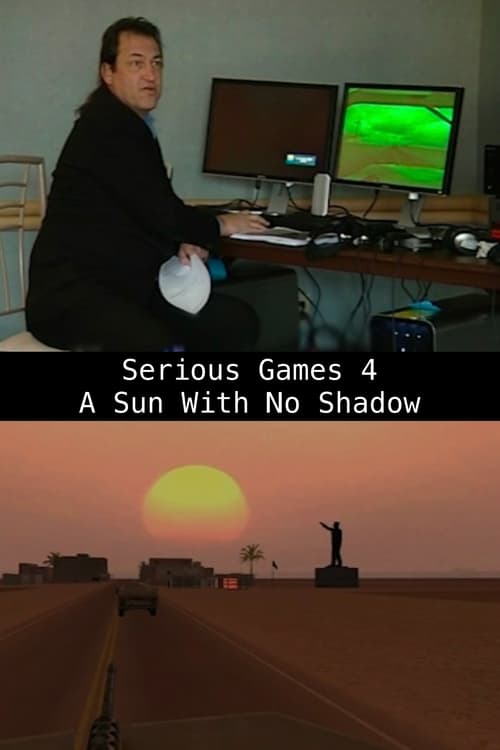
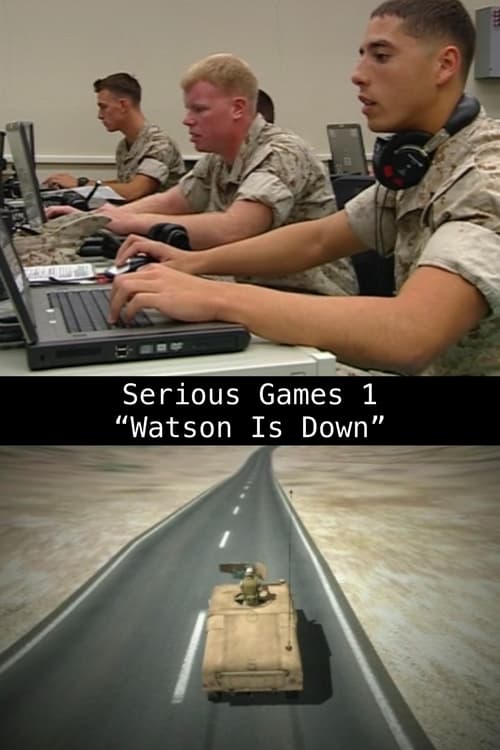
An exploration of how the U.S. military employs video game technology to train troops for war. In A Sun With No Shadow, Farocki calls attention to the subtle differences between the simulations for combat training and PTSD. With the former, the sun can be programmed to cast…
No cast information available.
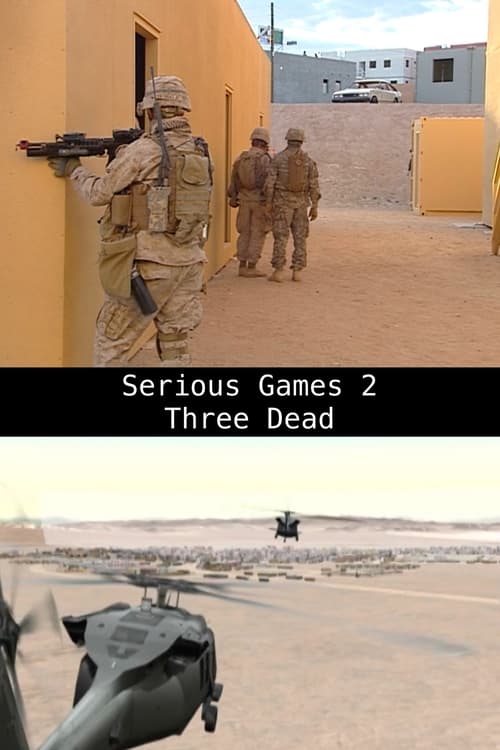
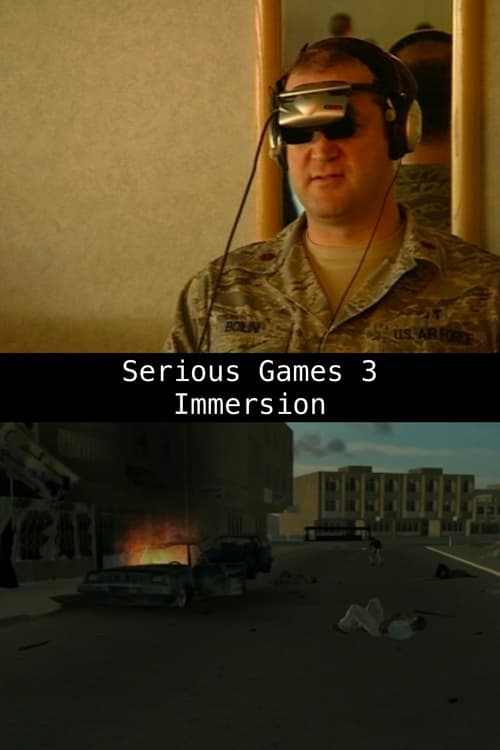
An exploration of how the U.S. military employs video game technology to train troops for war. In Immersion, Farocki presents footage of a role-playing exercise in which military psychologists demonstrate how to use the PTSD program on their colleagues, who describe traumatic wartime experiences. On a second channel, their descriptions play out as virtual renderings.

The decision to move to Holland doesn't sound like a wise idea. Why move to a country that could be flooded at any moment? For the last 25 years, the political climate has shifted. The public debate on migration has become harsher, more heated, and polarized. What would have been considered right-wing xenophobia back then, is now considered mainstream. Populists simplify complex realities into good and evil, victims and perpetrators: ‘us’ versus ‘them’. Their rhetoric often consists of dehumanizing words and metaphors. One of these is ‘water’. In reality, water is not an immediate threat to the average Dutch person; but it is a huge threat to the thousands trying to reach the Netherlands. People trying to survive the Mediterranean Sea in rubber boats. Trying to survive winter on the Aegean coast in primitive tents. To them, water really is deadly.
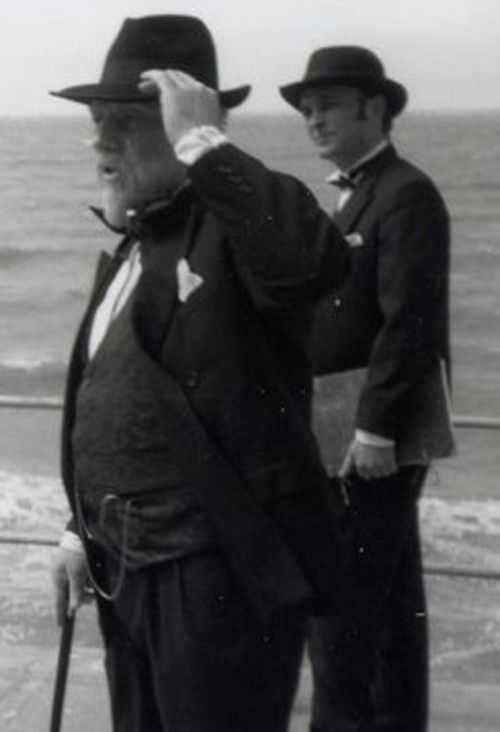
In 2000, which was ‘Ensor Year’, the installation artist Guillaume Bijl made a short fictitious found-footage film entitled ‘James Ensor in Oostende ca. 1920’, which shows the painter at this resort with his friends. We see them having a drink, strolling in the arcades of the Thermae Palace and sitting on the beach. Bijl’s meticulous choice of locations, belle époque dress (including bathing costumes) and his cinematographically perfect imitation of the rather jerky black & white images, as well as the patina and the perfectly imitated scratches on the film emulsion, all resulted in a perfect replica: an apparently forgotten roll of film from the days of silent film. Bijl himself classifies this faultless slice of life, one of his rare excursions into film and video, under ‘cultural tourism’, one of the elements of his work in which he popularizes cultural history subjects and reduces them to clichés for the general public.

These 131 video monitors stacked in a grid present simultaneous, continuous footage of the German artist during the last year of his life. In this filmed diary-project that Dieter Roth executed while convalescing in Reykjavik and Basel, we see him not only working in his studio but also while he sleeps, bathes, and uses the bathroom. It is nearly impossible to pay attention to only one video without becoming distracted by an unexpected sound or movement coming from one of the many other screens. Each monitor broadcasts a different point in the artist's daily routine, while the gridlike arrangement of monitors reinforces a sense of order and chronology.
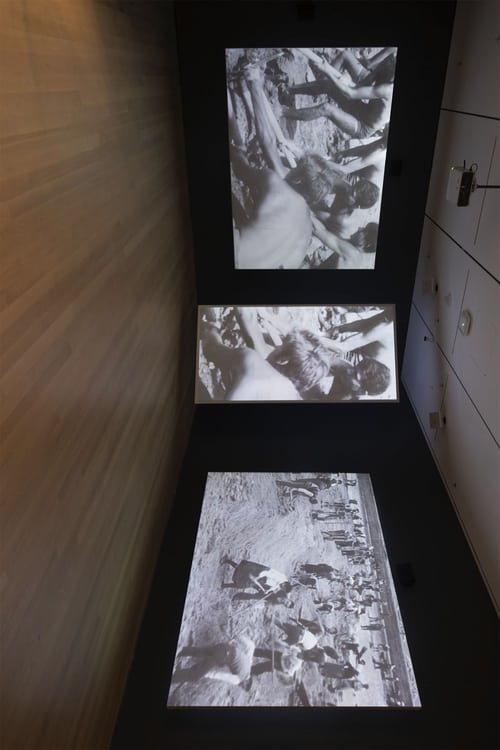
This three-channel video installation by James Benning shows three scenes from David Wark Griffith’s The Birth of a Nation (1915). The two-minute-long screen arrangement of imperceptibly moving images alludes to the beginning of racism. The three screens each show a solider in the American Civil War, black slaves picking cotton in the field, and imposing KKK.