Loading titles…
Video installation by UMMMI.
No cast information available.

The decision to move to Holland doesn't sound like a wise idea. Why move to a country that could be flooded at any moment? For the last 25 years, the political climate has shifted. The public debate on migration has become harsher, more heated, and polarized. What would have been considered right-wing xenophobia back then, is now considered mainstream. Populists simplify complex realities into good and evil, victims and perpetrators: ‘us’ versus ‘them’. Their rhetoric often consists of dehumanizing words and metaphors. One of these is ‘water’. In reality, water is not an immediate threat to the average Dutch person; but it is a huge threat to the thousands trying to reach the Netherlands. People trying to survive the Mediterranean Sea in rubber boats. Trying to survive winter on the Aegean coast in primitive tents. To them, water really is deadly.
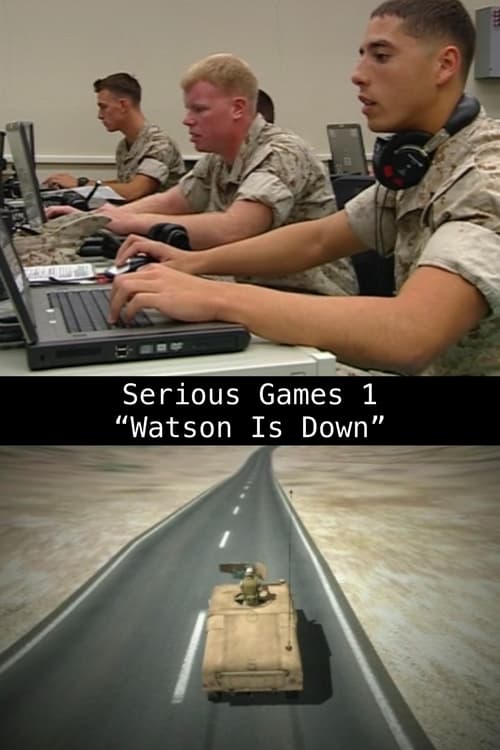
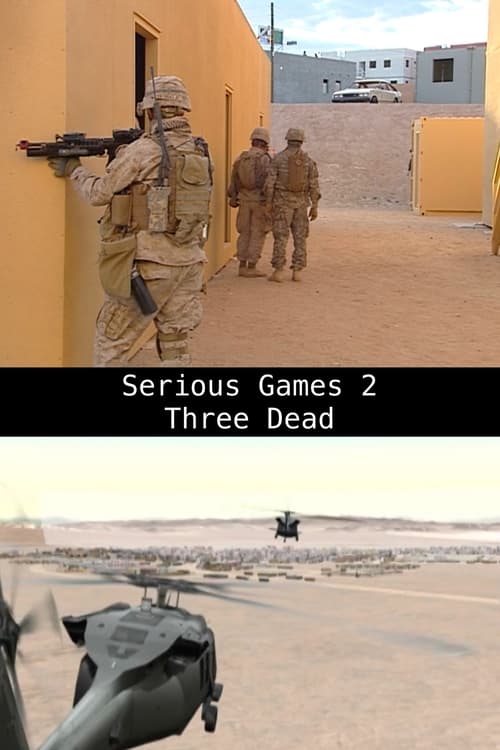
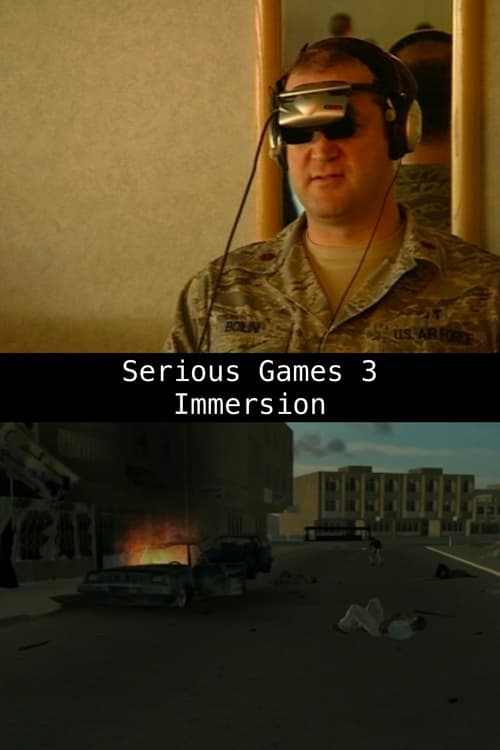
An exploration of how the U.S. military employs video game technology to train troops for war. In Immersion, Farocki presents footage of a role-playing exercise in which military psychologists demonstrate how to use the PTSD program on their colleagues, who describe traumatic wartime experiences. On a second channel, their descriptions play out as virtual renderings.
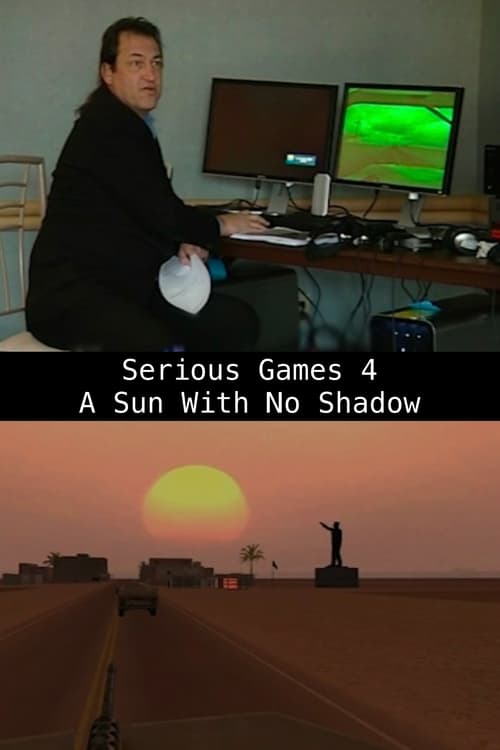
An exploration of how the U.S. military employs video game technology to train troops for war. In A Sun With No Shadow, Farocki calls attention to the subtle differences between the simulations for combat training and PTSD. With the former, the sun can be programmed to cast shadows in the virtual combat zones, while the latter, less expensive technology does not offer this feature.
Ilya Kabakov is considered one of the most important contemporary artists worldwide. Born and raised in the Ukraine in the period between Stalin and Gorbatschow he left the country in the 80s. In his Installations and his numerous paintings Kabakov creates a world of its own, which leaves the heaviness of socialist and post-socialist life far behind. The film links Ilya Kabakovs artistic spaces with insights into Russian everyday life, which itself sometimes appears like an installation by the artist.
Wang’s work investigates the ways in which sound and listening can play pivotal roles in shaping social space. For Music While We Work, Wang assembled a group of retired workers from a Taiwanese sugar refinery in the small industrial town of her childhood. She and her collaborator, the political activist and composer Chen Bo-Wei (Taiwanese, born 1971), led a series of recording workshops for the retirees and their spouses. They then returned to the factory, where Wang asked them to “paint a world composed by their listening.”
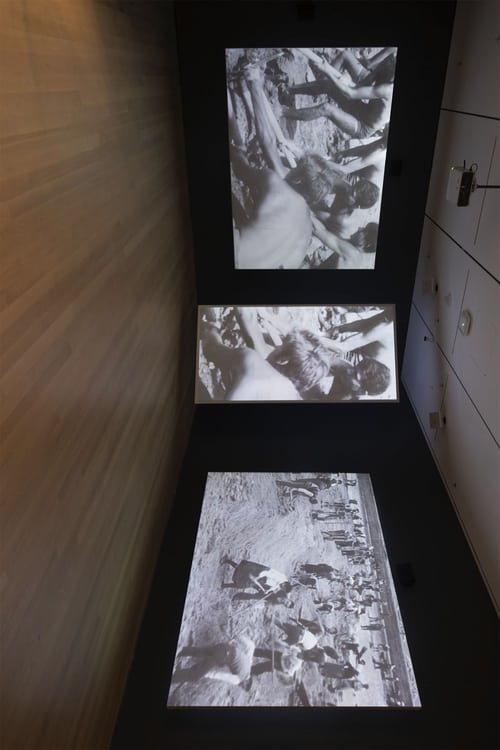
By becoming aware of an idea that is new to us, we talk about it all the time. And beyond that, all the subjects that we approach, we approach them through this new prism. We are going as far as proselytism - essentially to convince ourselves. We repeat the same words, slightly reformulated, until we are convinced. It is a way of swallowing our conditioning to this idea, while hinting that we are already sure. In politics or in love. We repeat ourselves. We repeat ourselves. We repeat ourselves.