

Loading titles…
No cast information available.

Howard Finster, the grandfather of the Southern Folk Art movement was a pioneer that showed the world that Art can thrive outside of museums and galleries in ordinary places and in everyday objects. He took what others might deem trash or obsolete and turned it into something contemplative. He opened Paradise Garden for the world to enjoy, a true testament that Art comes to life, when people are able to interact with it. Howard Finster showed the world that objects surrounding us can take on a new life, in a sometimes-magical way, and communicate messages that can lead to transformation.

A documentary based upon the lives of outsider folk artists Ronald and Jessie Cooper. They became artists in their mid-fifties while living on disability after having lost their Kentucky country store, enduring multiple heart attacks, and being seriously injured in an automobile accident. The story is told through the voices of their four children as well as pioneers of the Kentucky Folk Art Center in Morehead, KY who gave the Coopers their start. The film is an account of their life tragedies and triumphs based upon the messages told throughout their artwork.
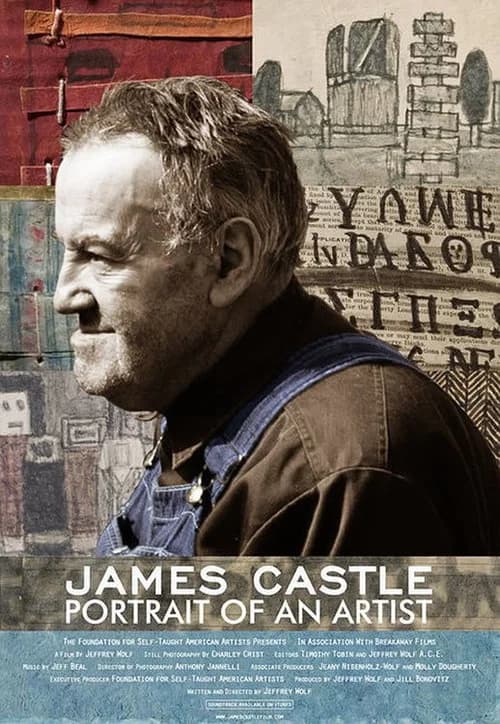
Deaf artist James Castle drew on his upbringing in rural Idaho as well as his profoundly silent inner world to create haunting paintings, sculptures and collages. He often used found objects and homemade tools to bring his vision to life. This documentary relies on interviews with Castle's family, art historians and prominent members of the hearing-impaired community to explain his inspirations, techniques and lasting legacy.


Two storytellers put forth their versions of the story of Shravan Kumar. The art for the film uses painted images from a wooden portable shrine called a Kaavad. The film is a collaborative work between traditional Kaavad storytellers and Kaavad artists from Rajasthan, together with the filmmaker. Combining lush animation with live-action, the film is an interpretation of two stories which are forever fused in the act of telling and retelling.

This documentary examines the life and art of Lonnie Holley, a self-taught African-American artist based in Birmingham, Alabama. It follows Holley as he builds a sculptural environment out of discarded materials and found objects in the Birmingham Museum of Art’s sculpture garden. His art is by turns profound, playful, and deeply moving. As the garden grows piece by piece, Holley is revealed as a man who has overcome a tortured past. Growing up poor and black in the 20th century American South, Holley worked to overcome prejudice and deprivation by using art to explore his life and ideas. The camera captures the artist’s process and reflections as he gathers materials, creates pieces, interacts with others, and relives the joys and sorrows that forged his unique and genuine artwork.

Kathleen Ware, Quiltmaker (1920--2001), captures both the folk art of quiltmaking and the personality of an individual folk artist. Located in the coast range of Oregon, the Ware home sits by the side of a well-traveled highway and attracts numerous quilt enthusiasts. The film shows Kathleen Ware's daily life and includes interactions with customers and family members. Unique is the film's handling of the economic aspect of quiltmaking in addition to personal aesthetics. From the placing of an order to the completion of the last stitch, the film details the entire process of creating a traditional Lone Star quilt. As the quilt grows, so does our knowledge of Kathleen Ware's vibrant spirit as quiltmaker, wife, mother, and grandmother.

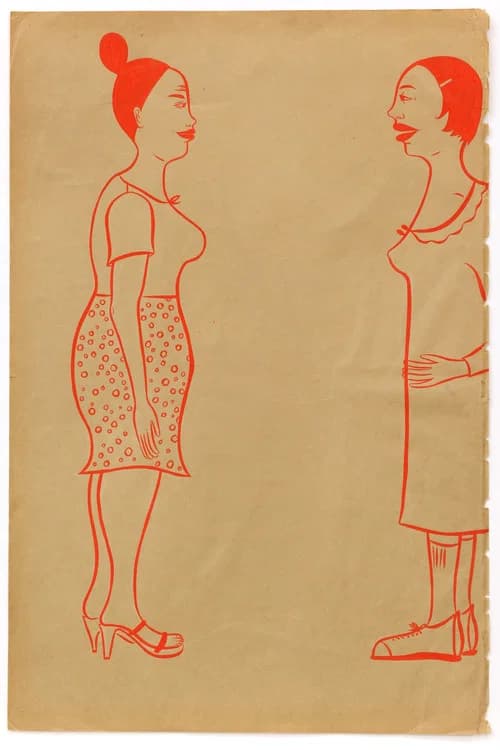
"I especially hope to inspire young women, because I often feel like so much emphasis is put on how beautiful you are, and how thin you are, and not a lot of emphasis is put on what you can do and how smart you are. I'd like to change the emphasis of what's important when looking at a woman." Filmed in San Francisco in 2000, Margaret Kilgallen (1967-2001) discusses the female figures she incorporated into many of her paintings and graffiti tags. Loosely based on women she discovered while listening to folk records, watching buck dance videos, or reading about the history of swimming, Kilgallen painted her heroines to inspire others and to change how society looks at women. Three of Kilgallen's heroines—Matokie Slaughter, Algia Mae Hinton, and Fanny Durack—are shown and heard through archival recordings. Kilgallen is shown tagging train cars with her husband, artist Barry McGee, in a Bay Area rail yard and painting in her studio at UC Berkeley (source: Art21).

A five-year visual ethnography of traditional yet practical orchestration of Semana Santa in a small town where religious woodcarving is the livelihood. An experiential film on neocolonial Philippines’ interpretation of Saints and Gods through many forms of rituals and iconographies, exposing wood as raw material that undergoes production processes before becoming a spiritual object of devotion. - A sculpture believed to have been imported in town during Spanish colonial conquest, locally known as Mahal na Señor Sepulcro, is celebrating its 500 years. Meanwhile, composed of non-actors, Senakulo re-enacts the sufferings and death of Jesus. As the local community yearly unites to commemorate the Passion of Christ, a laborious journey unfolds following local craftsmen in transforming blocks of wood into a larger than life Jesus crucified on a 12-ft cross.
