

Loading titles…
Documentary
A portrait of Leonard Knight and his visionary monument, Salvation Mountain. Painted with 18 coats of donated latex paint, Salvation Mountain, was created over many years, and shows how one man's determination and faith can make for quite a majestic achievement.

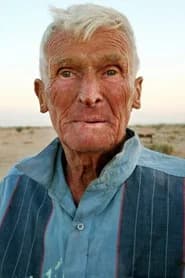
Self

Howard Finster, the grandfather of the Southern Folk Art movement was a pioneer that showed the world that Art can thrive outside of museums and galleries in ordinary places and in everyday objects. He took what others might deem trash or obsolete and turned it into something contemplative. He opened Paradise Garden for the world to enjoy, a true testament that Art comes to life, when people are able to interact with it. Howard Finster showed the world that objects surrounding us can take on a new life, in a sometimes-magical way, and communicate messages that can lead to transformation.

A documentary based upon the lives of outsider folk artists Ronald and Jessie Cooper. They became artists in their mid-fifties while living on disability after having lost their Kentucky country store, enduring multiple heart attacks, and being seriously injured in an automobile accident. The story is told through the voices of their four children as well as pioneers of the Kentucky Folk Art Center in Morehead, KY who gave the Coopers their start. The film is an account of their life tragedies and triumphs based upon the messages told throughout their artwork.
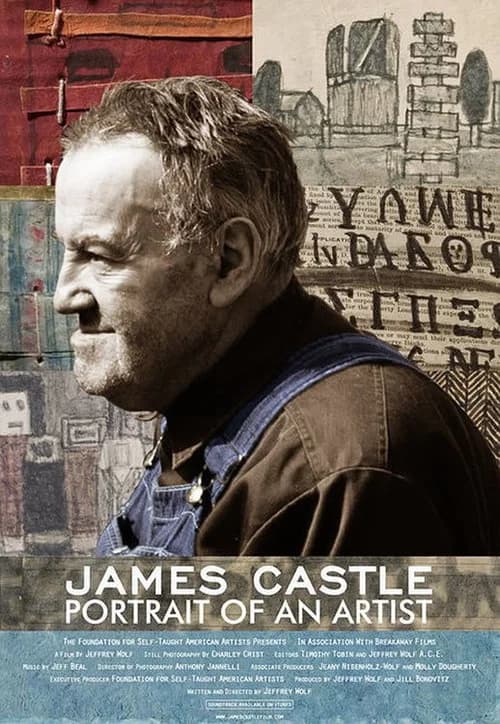
Deaf artist James Castle drew on his upbringing in rural Idaho as well as his profoundly silent inner world to create haunting paintings, sculptures and collages. He often used found objects and homemade tools to bring his vision to life. This documentary relies on interviews with Castle's family, art historians and prominent members of the hearing-impaired community to explain his inspirations, techniques and lasting legacy.
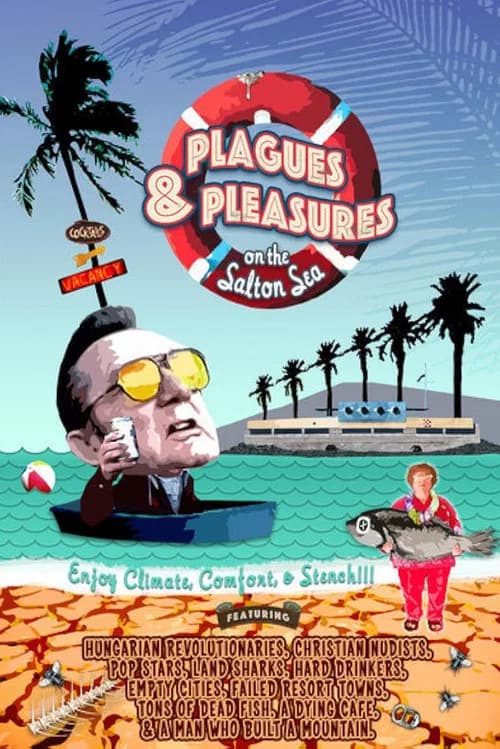
The Salton Sea: An inland ocean of massive fish kills, rotting resorts, and 120 degree nights located just minutes from urban Southern California. This film details the rise and fall of the Salton Sea, from its heyday as the "California Riviera" where boaters and Beach Boys mingled in paradise to its present state of decaying, forgotten ecological disaster.
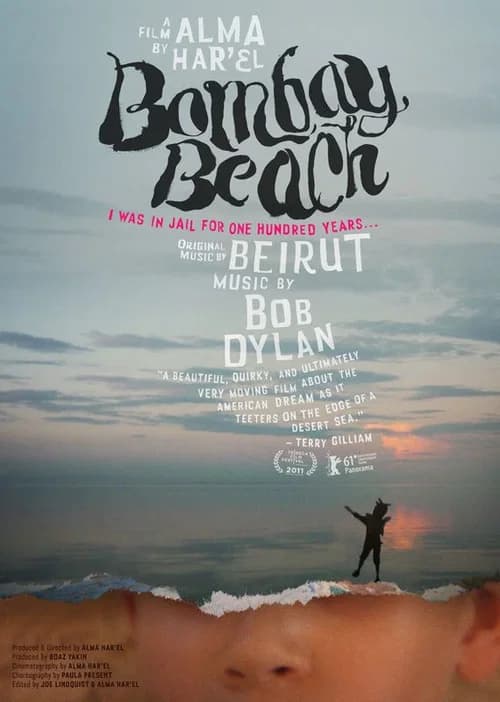
Bombay Beach is one of the poorest communities in southern California located on the shores of the Salton Sea, a man-made sea stranded in the middle of the Colorado desert that was once a beautiful vacation destination for the privileged and is now a pool of dead fish. Film director Alma Har'el tells the story of three protagonists. Together these portraits form a triptych of manhood in its various ages and guises...


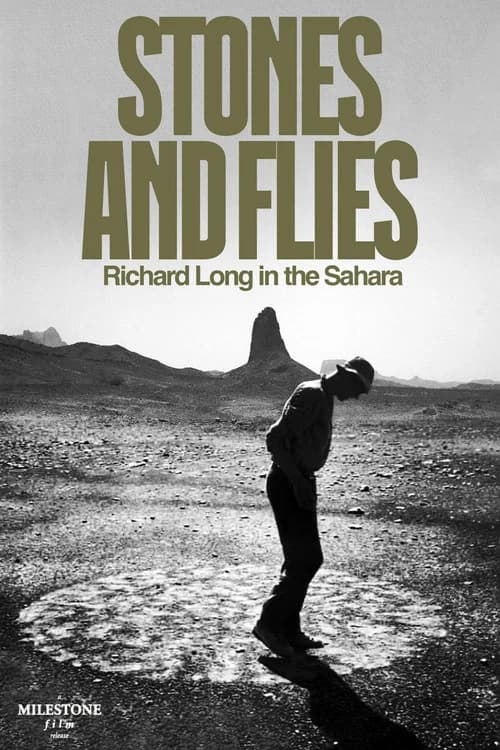
In the fall of 1987, Philippe Haas accompanied the sculptor Richard Long to the Algerian Sahara and filmed him tracing with his feet, or constructing with desert stones, simple geometric figures (straight lines, circles, spirals). In counterpoint to the images, Richard Long explains his approach. Since 1967, Richard Long (1945, Bristol), who belongs to the land art movement, has traveled the world on foot and installed, in places often inaccessible to the public, stones, sticks and driftwood found in situ. His ephemeral works are reproduced through photography. He thus made walking an art, and land art an aspiration of modern man for solitude in nature.

Two storytellers put forth their versions of the story of Shravan Kumar. The art for the film uses painted images from a wooden portable shrine called a Kaavad. The film is a collaborative work between traditional Kaavad storytellers and Kaavad artists from Rajasthan, together with the filmmaker. Combining lush animation with live-action, the film is an interpretation of two stories which are forever fused in the act of telling and retelling.

This documentary examines the life and art of Lonnie Holley, a self-taught African-American artist based in Birmingham, Alabama. It follows Holley as he builds a sculptural environment out of discarded materials and found objects in the Birmingham Museum of Art’s sculpture garden. His art is by turns profound, playful, and deeply moving. As the garden grows piece by piece, Holley is revealed as a man who has overcome a tortured past. Growing up poor and black in the 20th century American South, Holley worked to overcome prejudice and deprivation by using art to explore his life and ideas. The camera captures the artist’s process and reflections as he gathers materials, creates pieces, interacts with others, and relives the joys and sorrows that forged his unique and genuine artwork.