Loading titles…
What We Never Forget For Peace Here Now is a personal peace memorial produced in the United States, a country that does not have war memorials dedicated to peace. This video explores how we forget and how we remember memories of war. I think about who are my survivors and…
No cast information available.

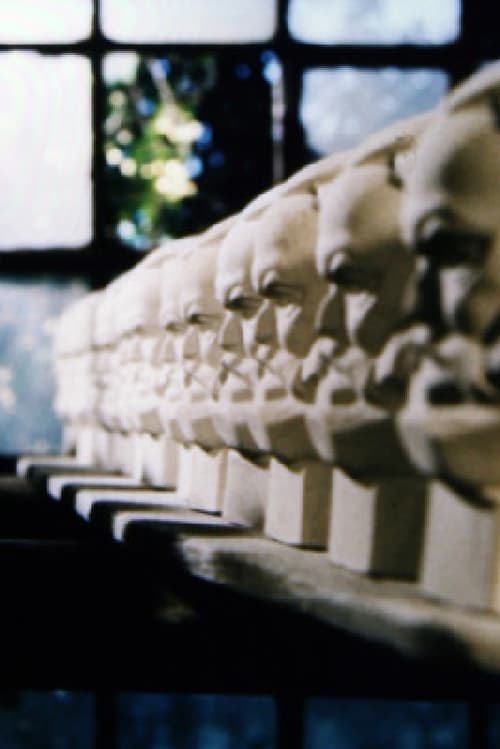
This documentary reports on the master potter Otto Engelmann from Klingmühl, who was commissioned to make black painted clay heads of Karl Marx in the spring of 1973. Engelmann briefly explains the individual work steps from mixing the casting slip to firing the clay heads and then painting them. An old craft is vividly captured on camera and accompanied by original sou

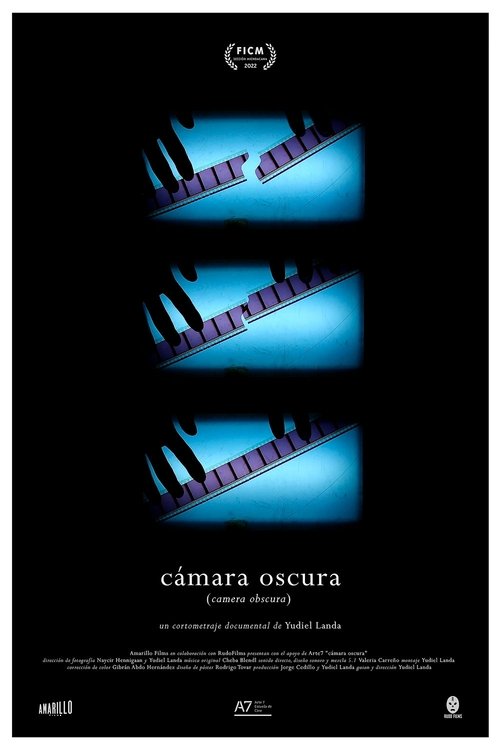
For us, a thought always presupposes a society, a culture and above all the consciousness of time. We are haunted by immortality, human notion par excellence. As if the world was here to fascinate us. And to disappoint us. The film travels around the bulb like the Earth around the Sun. Light makes the film visible. A fragile film, like our existence. In the orbit of the film tragedy and our reality, the image resists the cruelty of the experiment.
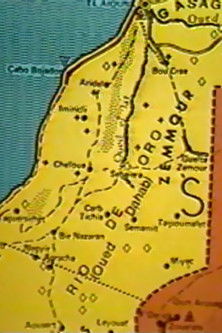
A historical analysis of the on-going war in the Western Sahara. Liza Bear interviews Abdullah Majdid, the Polisario Front's United Nations representative. The tape addresses Morocco's U.S.-backed military effort to subjugate the indigenous Sahrawi population and annex one of the world's largest phosphate deposits, as well as the Sahrawis' conditions for a referendum.

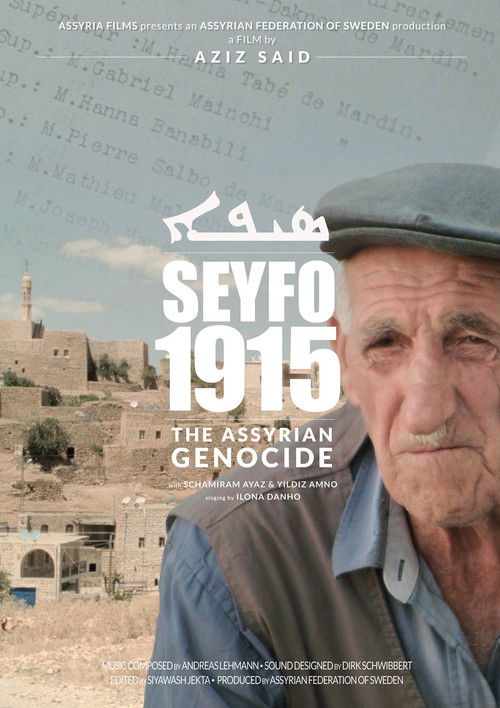
In the shadow of the First World War, the genocide of the Christian Assyrians took place almost unnoticed by the world public. This first systematic genocide of the 20th century was committed by the Young Turks (Ottoman Empire) and would not have been possible without the support of some Kurdish local rulers and their family clans. The Assyrians are the indigenous people of Mesopotamia and have lived in Mesopotamia for thousands of years. The film includes testimony from several European, Turkish and Assyrian historians, as well as genocide researchers, including Professor Taner Akcam, Dr. Gabriele Yonan and Professor David Gaunt. The film includes testimony from survivors of the genocide. Various journalists and publicists also have their say with well-researched information in this documentary. The Assyrians refer to the Genocide as "Seyfo" (ܣܝܦܐ), which translates as "sword".