Loading titles…
History / Documentary
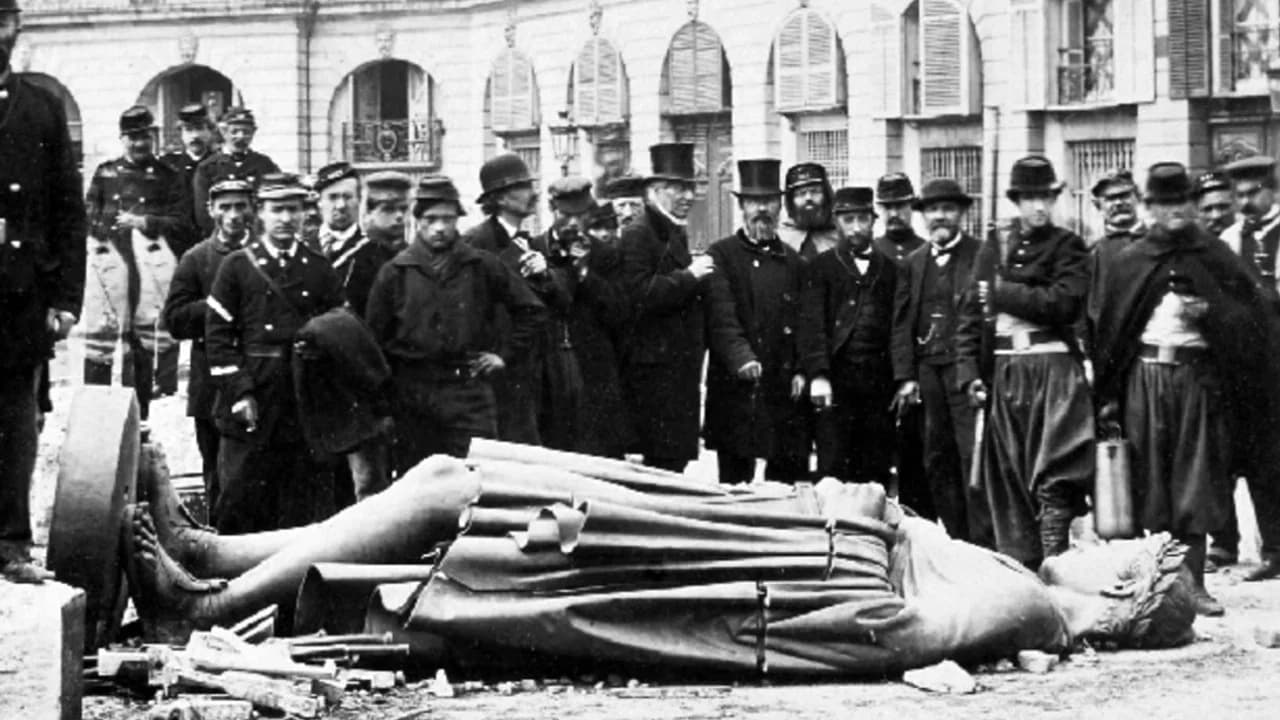
Mehdi Lallaoui's documentary begins where it all ended, in New Caledonia, with images of the ruins of the penal colony where many Commune insurgents were deported, including Louise Michel. The director thus tracks down all the still visible traces of the insurrectional movement,…


Narrator
Self (Historian)
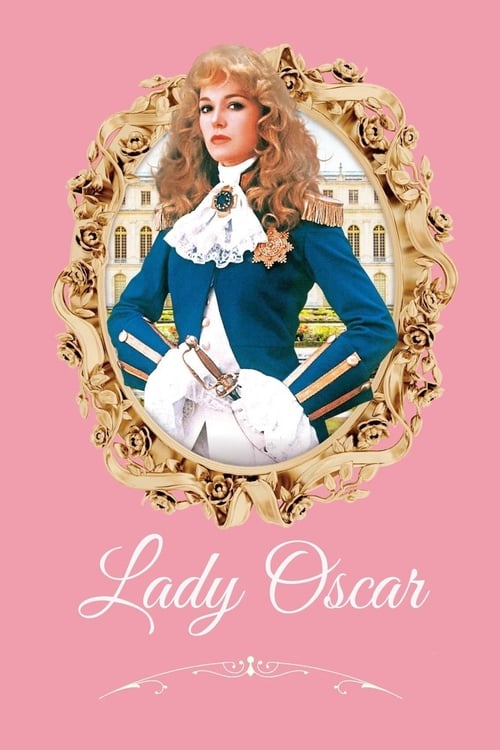
Oscar François de Jarjayes was born female, but her father insisted she be raised as a boy as he had no sons. She becomes the captain of the guards at Versailles under King Louis XVI and Marie Antonette. Her privileged, noble life comes under fire as she discovers the hard life of the poor people of France. She is caught up in the French Revolution, and must choose between her loyalty and love.

During the 80´s the left wing movement Alfaro Vive Carajo operated in Ecuador. The traits of this aggrupation were: critique to the orthodox political thinking, frantic growth of the organization, spectacular and clever actions, and the devastating way that the government fought them. A quarter of century later, the survivors tale the story that was hidden and disguised.

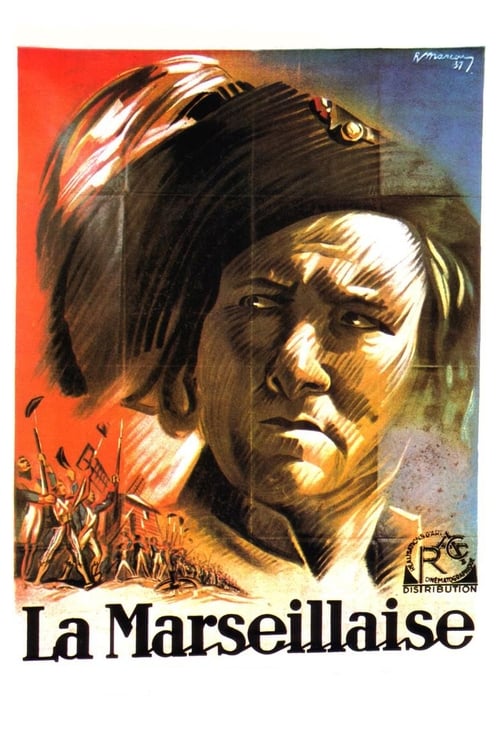

The young Austrian princess Marie Antoinette is arranged to marry Louis XVI, future king of France, in a politically advantageous marriage for the rival countries. The opulent Marie indulges in various whims and flirtations. When Louis XV passes and Louis XVI ascends the French throne, his queen's extravagant lifestyle earns the hatred of the French people, who despise her Austrian heritage.
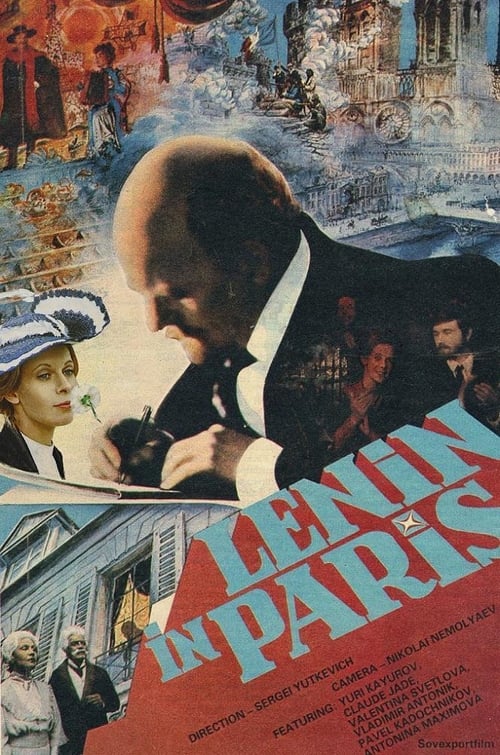
1911. Lenin organizes the first Bolshevik party school near Paris, in the small town of Longjumeau. Through a chain of historical parallels and associations, this time is intertwined with the events of the Paris Commune, the October Revolution and the political struggles of the post-revolutionary years.

After serving as an embassy secretary in London at the end of 1787, a position he didn't exactly enjoy, the poet André Chénier returns to Paris. When the Revolution breaks out, he becomes enthusiastic about it, and never ceases to express his love of liberty and high principles. But he also speaks out against excesses and troublemakers. For her part, the beautiful Aimée de Coigny, who has just divorced the Duc de Fleury, leads a dissolute life. In 1793, the Convention decides to put "the Terror on the agenda". Aimée de Coigny and her new lover, Casimir de Montrond, are arrested. At the Saint-Lazare prison, their life together is preserved. Six months later, Chénier is arrested and imprisoned. Dazzled by the young woman's beauty, the poet dedicates his most beautiful verses to her. But Aimée remains unmoved by his love.