
Loading titles…
Drama / History / Romance / War
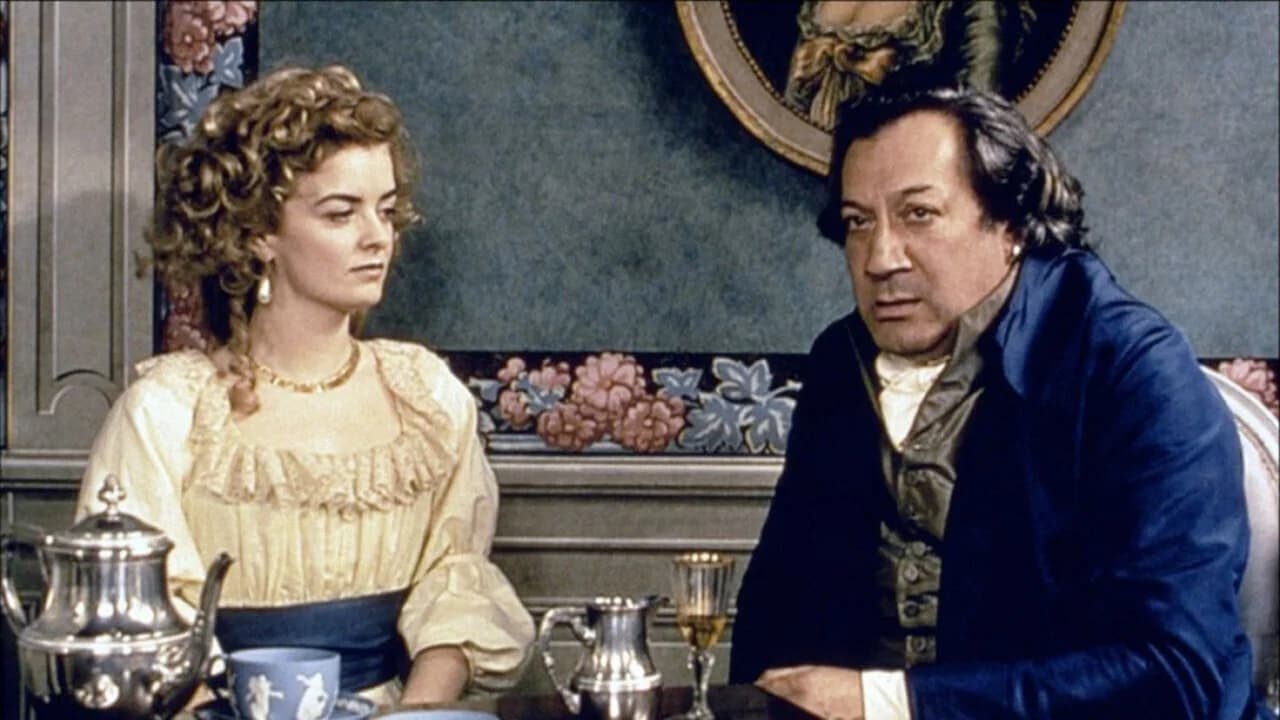
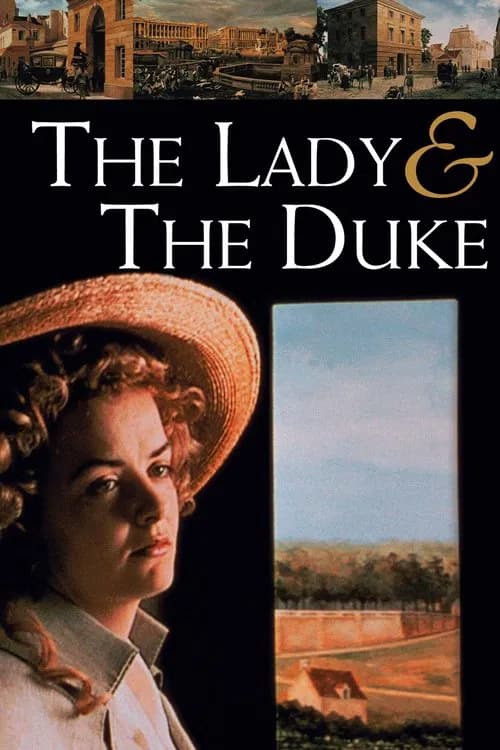
Grace Dalrymple Elliot is a British aristocrat trapped in Paris during the French Revolution. Determined to maintain her stiff upper lip and pampered life despite the upheaval, Grace continues her friendship with the Duke of Orléans while risking her life and liberty to protect…

Grace Elliot

Le duc d'Orléans

Fanchette

Madame Laurent

Vergniaud
Champcenetz

Dumouriez
Nanon

Vergniaud

Osselin

Duc de Biron
Section Miromesnil: President



Set in 1776, this historical film by Petr Hvizd concerns an army deserter who takes refuge within the walls of the Convent of St. Claire. The investigation to find him soon becomes a question of morality concerning the value of human life in the context of the diversity and hierarchy of social laws.
Stéphane Bern tells the story of King Louis XVI, deposed by the revolution and guillotined on January 21st, 1793. He was a cultured man, passionate about the technical advances of his time, but powerless against the huge deficit in the country. He actively supported the birth of the USA. Louis XVI was the last king to live in the palace of Versailles, where he organized the first flight of a balloon, launched the legendary expedition of Jean-Francois de La Perouse and offered his wife Marie Antoinette, the beautiful setting of the Petit Trianon, as million visitors around the world continue to admire.
In 1794, French revolutionary Maximilien Robespierre produced the world's first defense of "state terror" - claiming that the road to virtue lay through political violence. This film combines drama, archive and documentary interviews to examine Robespierre's year in charge of the Committee Of Public Safety - the powerful state machine at the heart of Revolutionary France. Contesting Robespierre's legacy is Slavoj Zizek, who argues that terror in the cause of virtue is justifiable, and Simon Schama, who believes the road from Robespierre ran straight to the gulag and the 20th-century concentration camp. The drama, based on original sources, follows the life-and-death politics of the Committee during "Year Two" of the new Republic.
Thomas Alexandre Davy de la Pailleterie Dumas was born a Caribbean slave in 1762 and beat the odds by rising through the ranks to become a revolutionary French general. The son of a nobleman, Marquis Alexandre Antoine Davy de la Pailleterie, and an African slave, Marie-Cessette Dumas, he became the first and highest-ranking Black leader in the French military and served under Napoleon Bonaparte. But despite his many exploits, which earned him the nickname of “Black Devil,” his role in the French Revolution was underplayed and he was even denied a full pension and legion of honor by Bonaparte.