


Loading titles…
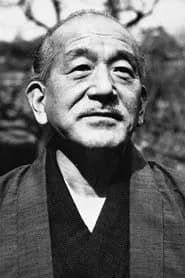
Self (archive footage)

Self

Self

Self

Self

Self
Self
Self

Self
Self
Self

Self (archive footage)

After the war, many filmmakers were expelled from the Japanese film industry due to the Toho Dispute and the Red Purge. Amid such circumstances, there were people who set up their own independent production companies and embarked on film production without relying on corporations. This documentary film focuses on the passionate "spirit of film" of directors such as Satsuo Yamamoto and Tadashi Imai, who, despite many hardships, produced a succession of masterpieces overflowing with humanism and rebellious spirit.


Because his style was similar to that of Yasujiro Ozu, who was already active at Shochiku, he moved to PCL (currently Toho) in 1933, where he appeared in the talkie works "My Wife, Like a Rose" and "Tsuruhachi Tsurujiro." It got attention. There were times when he was unable to make as many films as he wanted due to wartime film regulations and post-war Toho disputes, but in 1951 he revived his career with Meshi. Since then, he has released masterpieces one after another, including "Okaasan," "Lightning," "The Couple," "Wife," "Anii Mouto," "Sounds of the Mountain," and "Bangiku." The pinnacle of his work, "Floating Clouds," is Kenji Mizoguchi's "Wife." Even director Ozu was impressed, calling it a masterpiece of Japanese cinema, on par with "The Sisters of Gion." He depicted ordinary people in everyday life with an everyday realism that was not influenced by lyricism, and he consistently sought out women as his subjects.

An extremely lovely tribute to Ozu, on the 20th anniversary of his death. It uses a combination of footage from vintage films and new material (both interviews and Ozu-related locations) shot by Ozu's long-time camera-man (who came out of retirement to work on this). Surprisingly (or perhaps not), it focuses less on Ozu's accomplishments as a film-maker than on his impact on the lives of the people he worked with..


