Loading titles…
No cast information available.
Between 1879 and 1986, upwards of 100,000 children in Canada were forcibly removed and placed into Indian Industrial Residential Schools. Their unique culture was stripped away to be replaced with a foreign European identity. Their family ties were cut, parents were forbidden to visit their children, and the children were prevented from returning home.
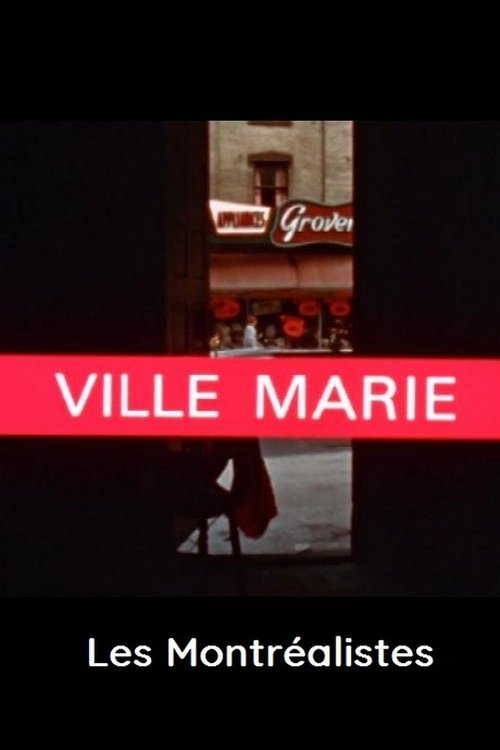
Today it is the city of Montreal, but 3 centuries ago the tiny band of missionary founders called it Ville-Marie, the holy city of Mary. This film goes back to its beginning and those who felt called to plant an oasis of Christianity in the North American wilderness. In an imaginative, at times almost surrealistic, way the film recalls the highborn company from France, and shows what survives of Ville-Marie in the Montreal of today.
This documentary examines some of the important events in Canada during the Depression years: the Moose River mine disaster, the great drought on the prairies and the introduction of a transatlantic air service between Canada and Europe. The film also looks at the major world events that influenced Canada: the abdication of the king of England; civil war in Spain; Hitler's rise to power and Canada's declaration of war on Germany. Part of the Between Two Wars series.
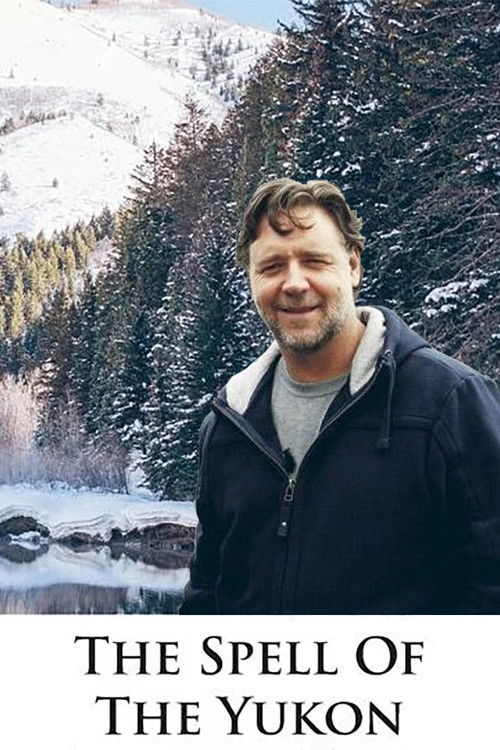
This documentary tells the haunting story of the Klondike Gold Rush in legendary Dawson City. Peppered with Robert Service poems read by New Zealand-born Hollywood actor Russell Crowe, the film recounts how stampedes of fortune seekers came to the Yukon from far and wide in 1897. Less than half of the 100,000 adventurers ever finished the treacherous journey. Archival photographs re-create the saga of the Klondike, including stories from the deadly Chilkoot Pass and Dawson City itself, where fortunes were made and lost overnight. With a personal stake and a sense of wonder, filmmaker Rita Roy discovers a territory still vibrant with legends, and miners still panning for gold under the spell of the harsh yet stunning wilderness.
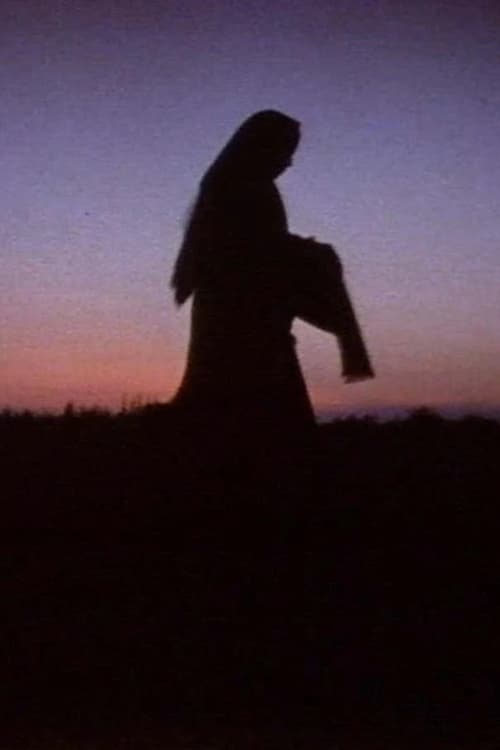
Filmed on location in Saskatchewan from the Qu'Appelle Valley to Hudson Bay, the documentary traces the filmmaker's quest for her Native foremothers in spite of the reluctance to speak about Native roots on the part of her relatives. The film articulates Métis women's experience with racism in both current and historical context, and examines the forces that pushed them into the shadows.
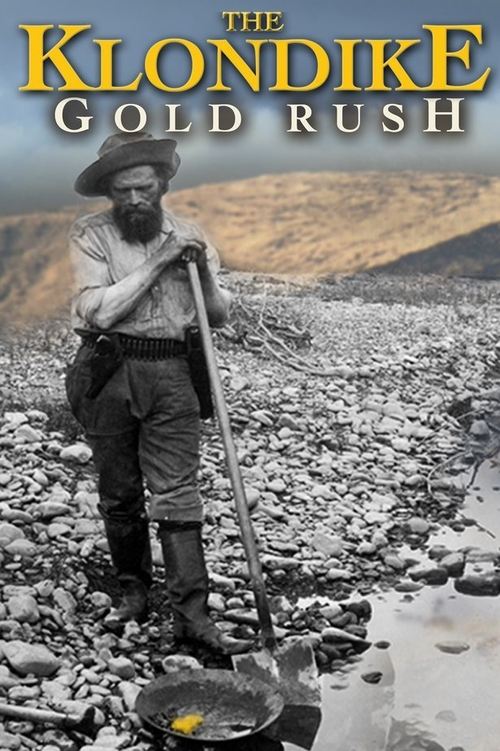
Renowned as the richest gold strike in North American mining history, the Klondike Gold Rush (1896-1899) set off a stampede of over 100,000 people on a colossal journey from Alaska to the gold fields of Canada's Yukon Territory. Filled with the frontier spirit, prospectors came and gave rise to what was one of the largest cities in Canada at that time - Dawson City. The boomtown, which became known as "the Paris of the North", earned the reputation as a place where lives could be revolutionized. Brought to life with excerpts from the celebrated book The Klondike Stampede - published in 1900 by Harper's Weekly correspondent Tappan Adney - and featuring interviews with award-winning author Charlotte Gray, and historians Terrence Cole and Michael Gates, The Klondike Gold Rush is an incredible story of determination, luck, fortune, and loss. In the end, it isn't all about the gold, but rather the journey to the Klondike itself.