


Loading titles…
No cast information available.


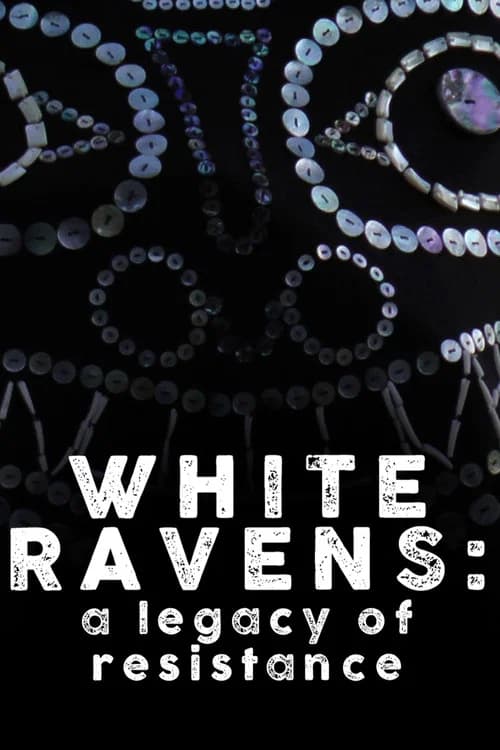
In this layered short film, filmmaker Janine Windolph takes her young sons fishing with their kokum (grandmother), a residential school survivor who retains a deep knowledge and memory of the land. The act of reconnecting with their homeland is a cultural and familial healing journey for the boys, who are growing up in the city. It’s also a powerful form of resistance for the women.
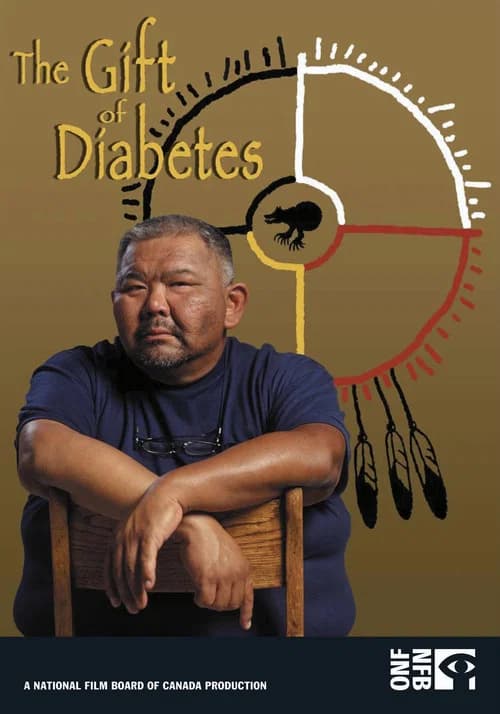
Brion Whitford is an Ojibway filmmaker who lives with the pain of advanced diabetes. As his health worsened, his interest in his own culture grew. The film follows Brion’s struggle to regain his health by learning about the medicine wheel, a holistic tool grounded in Indigenous understanding of the interconnectedness of all dimensions of life. As Brion seeks to get well he explores the historical trauma of colonization and how it continues to affect Indigenous peoples’ physical and psychological well-being.
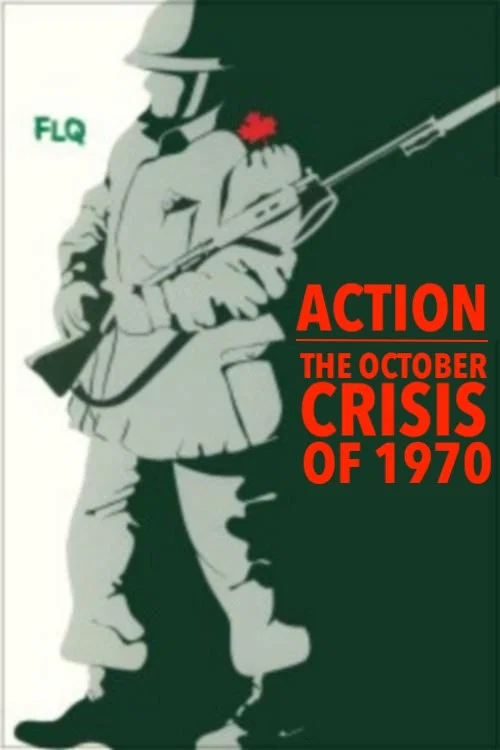
A long and thoughtful look at those desperate days of October 1970, when Montréal awaited the outcome of FLQ terrorist acts. This film puts the October Crisis in the long perspective of history. Compiled from news and other films, it shows independence movements past and present, and their leaders; it reflects the mingled relief, dismay, defiance, when the Canadian army came to Montréal; and it shows how political leaders viewed the intervention.


This short film from 1958 compiles 3 short reportages on different ways kids are schooled in remote areas. To School by Boat follows children of isolated fishing hamlets along a stretch of British Columbia coastline as they travel to school by sea-going bus. In Classroom on Rails, we hop along a railway coach that brings school to children in a logging area of northern Ontario. Northern Schooldays introduces us to First Nations children educated in a residential school in Moose Factory.
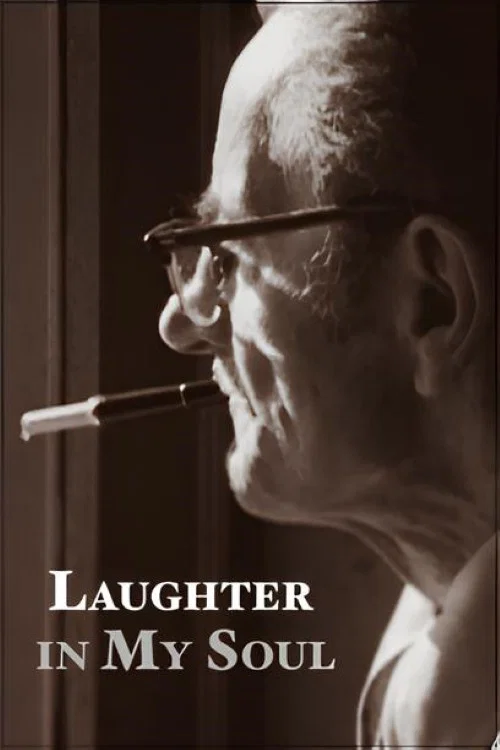
This short documentary profiles cartoonist, painter, humorist, publisher, iconographer, and teacher Jacob Maydanyk. Part of the first wave of Ukrainian immigrants who arrived in Canada between 1896-1914, Maydanyk was an imaginative artist who created the beloved comic strip character Shteef Tabachniuk, a hapless and endearing galoot who became a folk hero to Ukrainian immigrants. Laughter in My Soul is a tribute to the dignity and heroism of those early pioneers and to those whose spirit lives on, to those who had laughter in their souls.
A feature-length documentary from Canadian Geographic Films, and presents a powerful and emotional story celebrating the 100-year history of the Royal Canadian Air Force (RCAF). Through its backdrop of rarely seen RCAF archival footage and dramatic contemporary footage, the film showcases compelling stories from past and present RCAF members from across Canada.

A film documenting work shortages during the Depression of the 1930s and the attempts to deal with the unemployed, in particular young men. The film discusses the establishment of relief camps and projects, where men were paid twenty cents per day; the founding of organizations such as the Co-operative Commonwealth Federation (CCF), Workers' Unity League, and Relief Camp Workers' Union; general unionization and protest of the unemployed, including the On To Ottawa Trek, Regina Riot, sit-in strike from May to June 1938 at the Vancouver Main Post Office, Vancouver Art Gallery and Hotel Georgia, and the resulting Bloody Sunday of June 19.